
Nearly two-thirds of car shoppers now plan to use AI when buying their next vehicle.
Dealers are falling behind, with few adjusting their business strategies to match shopper expectations.
Successful dealerships will need clear AI strategies and trusted partners to compete.
What happened
Cox Automotive released findings from its AI in Auto Retail Tracker showing that 61% of vehicle shoppers say they plan to use AI during their next purchase journey. Many already trust AI-powered tools to guide their decisions, yet relatively few dealers are actively adjusting their business strategies for AI search and discovery.
Why it matters
The gap between shopper expectations and dealer readiness mirrors the early days of digital retailing, when consumer behavior shifted faster than dealership operations. Dealers feel overwhelmed by the pace of change despite rising AI adoption across the industry, creating a potential competitive disadvantage for those without a clear AI strategy.
What to watch
Cox Automotive highlights that successful dealerships stand apart through a clear strategy, trusted partners, and practical ways to use AI across their operations—suggesting these are the tools dealers need now to align with consumers who are already relying on AI to discover and evaluate vehicles.
Ask the AI about this article →
The Cox Automotive research reveals a familiar pattern in automotive retail: consumer adoption outpaces industry readiness. As Chase Abbott notes in the interview, this dynamic echoes the early days of digital retailing, when dealerships struggled to keep pace with shifting buyer behavior. The Tracker data—showing 61% of shoppers planning to use AI—reflects a significant shift in how consumers discover and evaluate vehicles. Yet dealer hesitation persists. Abbott suggests that many dealerships feel overwhelmed by the pace of change, despite AI adoption becoming industry-wide. The implication is that the bottleneck is not technology availability but organizational strategy and execution. Successful dealerships, according to the research, differentiate themselves through three concrete elements: a clear AI strategy, trusted technology partners, and practical implementation across their operations. This framing sidesteps the notion that AI integration is optional; it positions it as a competitive necessity.
For example, today's edition would include:
AI-summarized, only the topics you pick — one digest a day via Email, Slack, or Discord.
Free · takes 30 seconds · unsubscribe anytimeWhat is AIToday? →
Ask AI anything about this article. Q&As are published on this page for other readers too.
Visko raised $10 million in pre-seed funding from Llama Ventures and opened public access to its first foundat…

U.S. markets ended August higher, with the S&P 500 up 2.6% and the Nasdaq up 3.9%

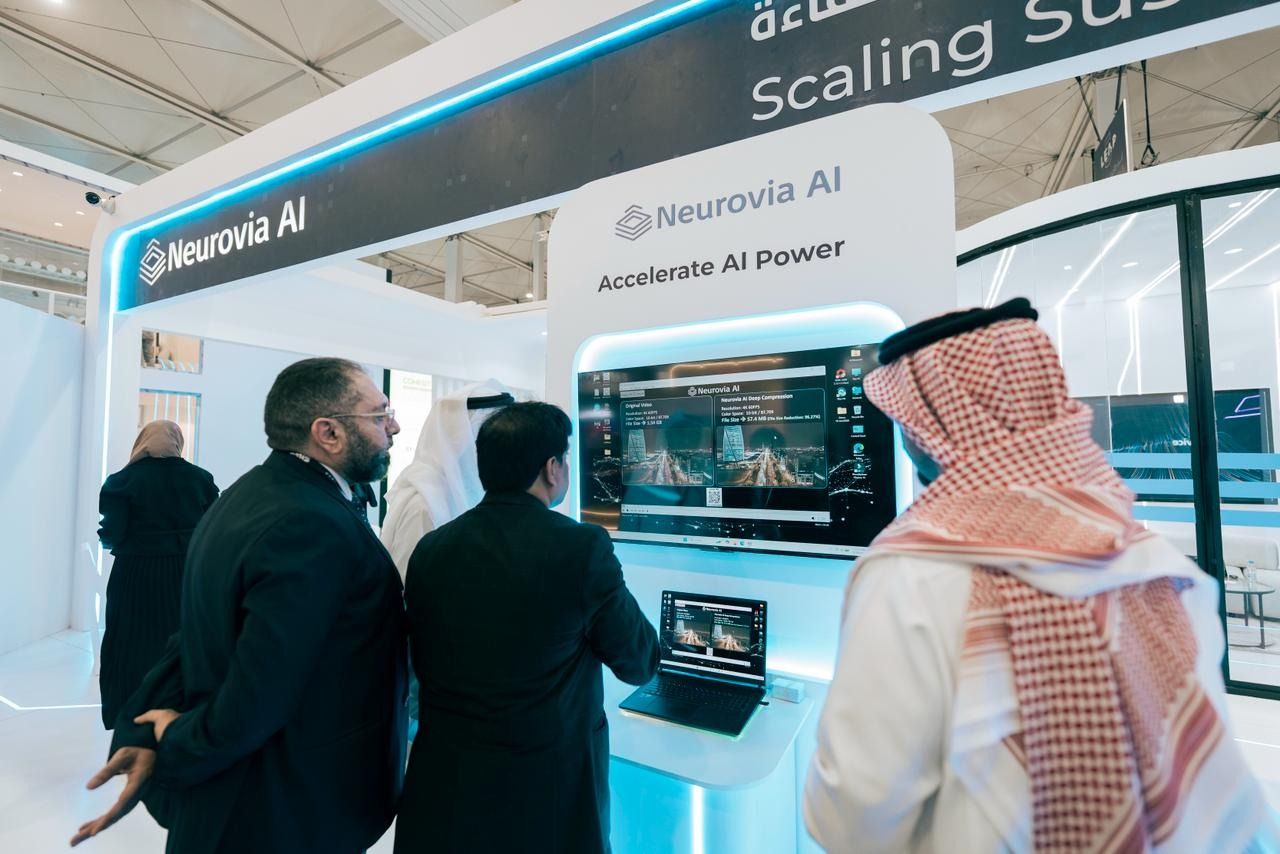
Neurovia AI, an Abu Dhabi-based company, is pitching Saudi security agencies software that it says can compres…
AI company Runway has unveiled Solaris, the first model in a new category it calls "Interface World Models." I…

John Deere introduced JD, a conversational AI tool that lets farmers ask open-ended questions about their hist…

Nvidia CEO Jensen Huang said on Fox Business that AI is creating 'hundreds of thousands' of jobs, including in…