
OpenAI has launched GPT-Live, a conversational model that responds in real-time without waiting for users to finish speaking, delivering dialogue closer to natural human conversation.
Available now on ChatGPT across all subscription tiers and platforms, it marks a departure from the turn-based interaction pattern of previous versions and is generating discussion about whether it captures human-like dialogue nuance.
What happened
OpenAI has released GPT-Live, a conversational AI model that generates output continuously without pausing, allowing it to respond in real-time with natural pauses and interruptions during conversation rather than waiting for the user to finish speaking.
Why it matters
Unlike previous ChatGPT modes that required users to wait for full responses, GPT-Live enables dialogue that resembles human conversation, with the model processing input mid-sentence and adjusting its response dynamically. This represents a shift from turn-based to simultaneous interaction.
What to watch
GPT-Live-1 is now the standard model across iOS, Android, and Web for ChatGPT Free, Plus, and Pro users; GPT-Live-1 mini is available for free-tier users. The model's ability to manage conversation pacing and handle overlapping speech is drawing early user feedback about its naturalness.
Ask the AI about this article →
GPT-Live represents a fundamental shift in how conversational AI handles real-time dialogue. The article notes that previous ChatGPT architectures operated on a cascade system where users input text, a language model generates a response, and then the assistant speaks back—a pattern that creates artificial pauses and a turn-based feel. GPT-Live overcomes this by producing output continuously while the input is still being processed, allowing simultaneous speaking and listening much like human conversation.
The body indicates that users have noted several distinctions: the model can now be interrupted mid-response without losing coherence, dialogue tempo feels natural rather than mechanical, and the system can handle the overlapping speech and false starts common in real conversation. The article also mentions that some users have flagged concerns about whether AI responses to sensitive topics maintain appropriate boundaries, suggesting that the naturalness of the interaction may introduce new considerations around tone and context-awareness in safety-critical exchanges.
Availability across all subscription tiers and platforms—Free, Plus, Pro, and mobile (iOS/Android) as well as Web—indicates OpenAI is positioning this as a core interaction pattern rather than a premium feature, signaling confidence in the model's maturity and a bet that natural dialogue is becoming table-stakes for conversational AI products.
For example, today's edition would include:
AI-summarized, only the topics you pick — one digest a day via Email, Slack, or Discord.
Free · takes 30 seconds · unsubscribe anytimeWhat is AIToday? →
Ask AI anything about this article. Q&As are published on this page for other readers too.
Israeli startup DataAgent Ltd
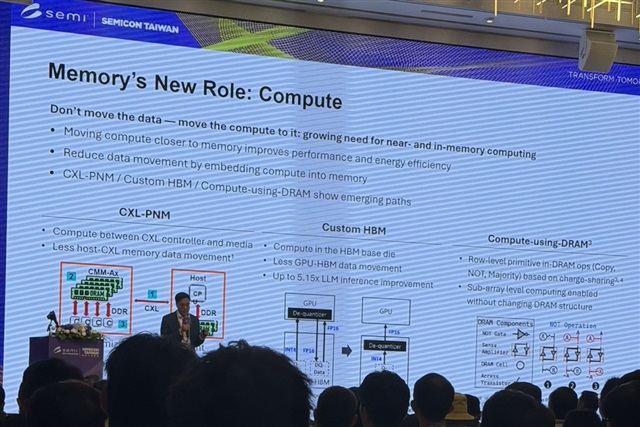
SK Hynix presented a custom HBM concept at SEMICON Taiwan 2026, where compute functions are placed in the base…
Taoyuan is positioning itself as a northern hub for AI data centers (AIDC), citing the Tatan area and an LNG c…
The U.S. Department of Defense announced on August 31 that it has deployed ChatGPT Mil, a customized version o…
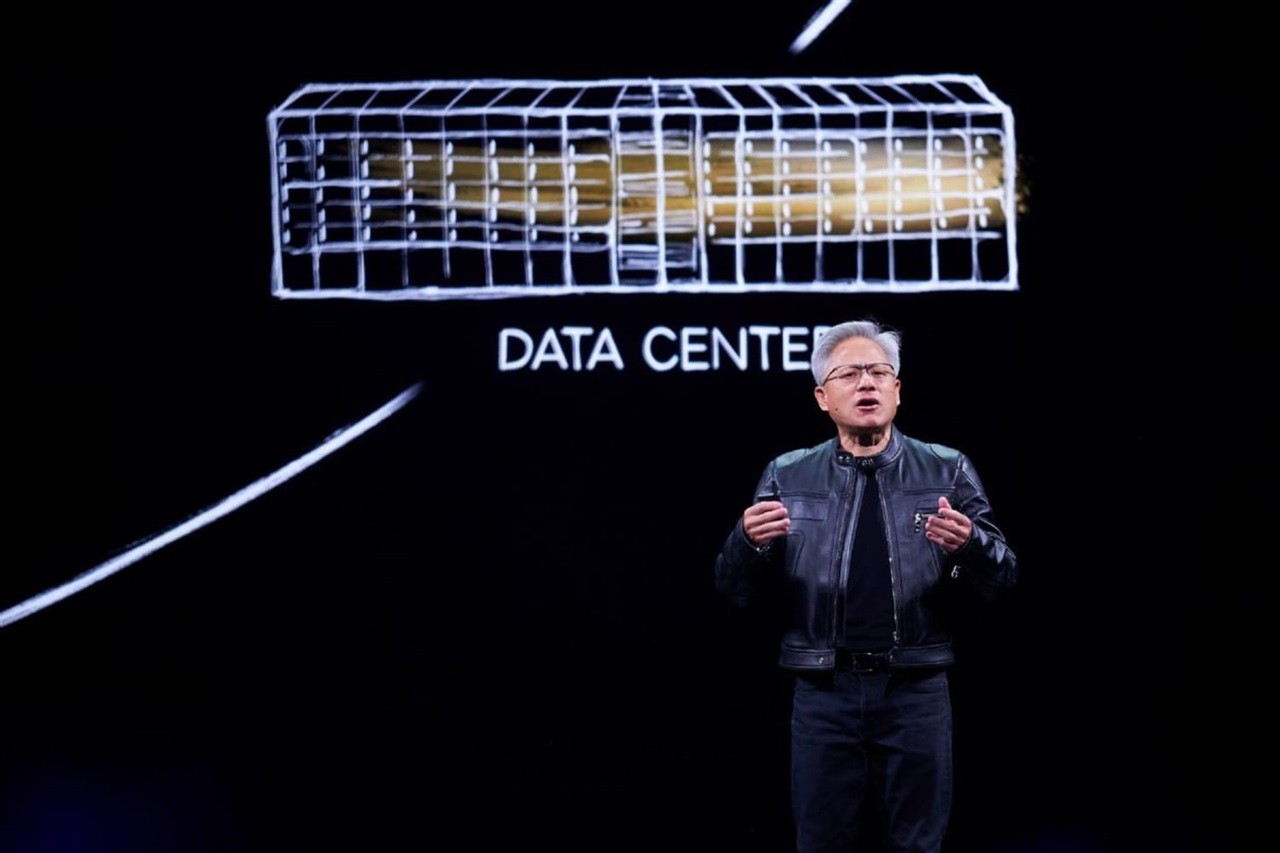
Nvidia reported earnings that were both remarkable and boring, reflecting its focus on avoiding a consolidated…
Anthropic has agreed to a $35bn cloud-computing contract with Lambda, a Nvidia-backed cloud provider