What happened
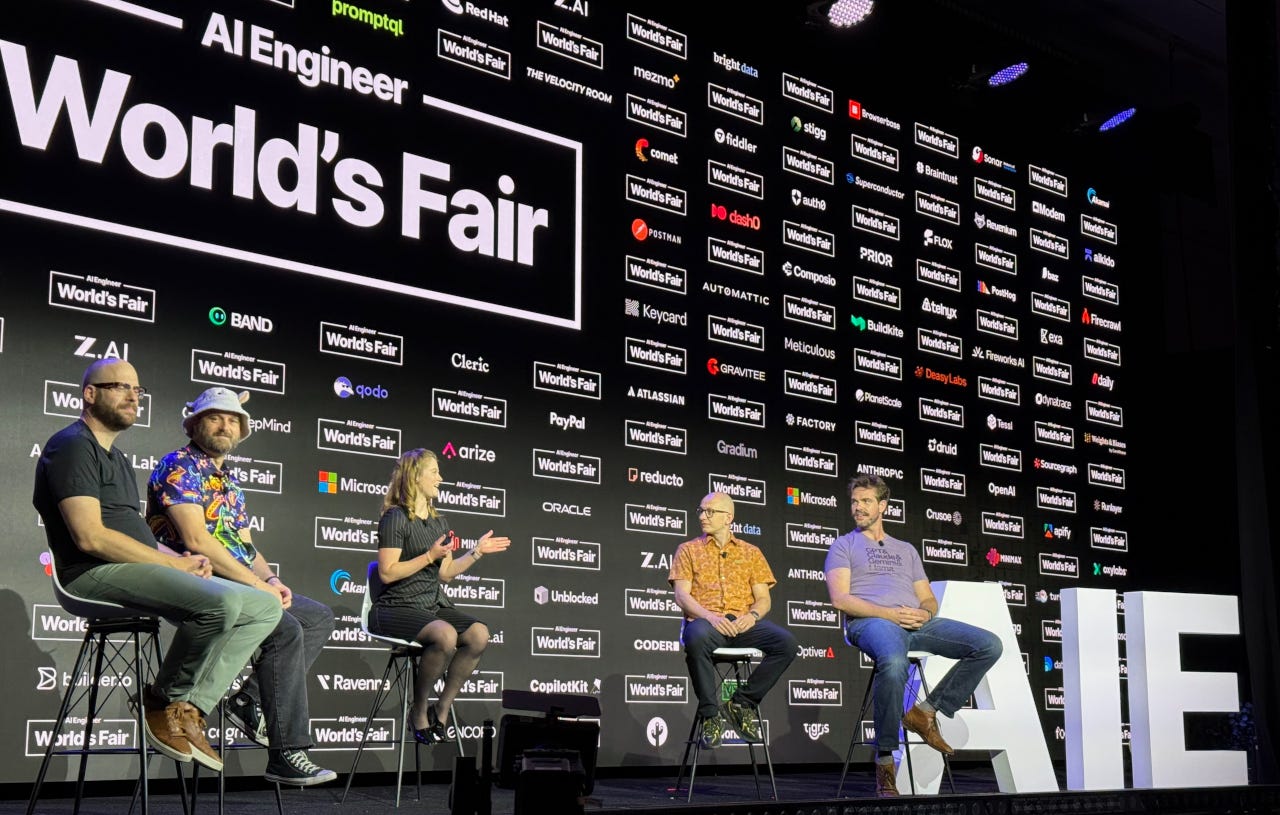
At the AI Engineer World's Fair, a panel debated whether autonomous software loops—agents that iteratively write and improve code—are viable now or overhyped. Supporters like Geoffrey Huntley argued loops are inevitable and already here; skeptics like Dex Horthy countered that the engineering discipline hasn't caught up with the hype, and that deterministic control (like Kubernetes uses) is fundamentally different from agentic loops.
Why it matters
The survey data shows agents have moved fast—95% of respondents now use them, up from roughly 50% last year, and 89% of teams using agents say those agents can write data. But the industry still lacks standardized safeguards (human approvals and permissions remain the leading controls), cost concerns limit ambition for 76% of teams, and 59% fear today's AI-generated code is creating long-term liabilities. The debate reflects a real tension: AI has made coding cheaper and faster, but the engineering practices needed to run production systems reliably at scale are not yet settled.
What to watch
Anthropic's Claude Tag, described by Mike Krieger as more delegated, asynchronous, and proactive than Claude, may offer a concrete window into what early software-factory setups look like in practice. Token usage is now the second-most monitored production metric, behind quality, signaling that cost control will be central to how widely these tools scale.
Summaries like this, in your inbox every morning.
Pick your industry and the AI tools you use, and get news related to your work every day.
Free · 30 seconds with Google · unsubscribe anytimeWhat is AIToday? →
Ask AI anything about this article. The AI reads this article, earlier AIToday articles, and Wikipedia, and cites its sources. Q&As are published on this page for other readers too.

