What happened
The FAA has proposed a noise-based rule that would allow supersonic aircraft to fly over US land if they stay quiet enough. Congress is also advancing the Supersonic Aviation Modernization Act, which would let overland supersonic flights as long as no sonic boom reaches the ground. The FAA aims to finalize noise regulations by mid-2027 and plans to propose takeoff and landing noise standards later this year.
Why it matters
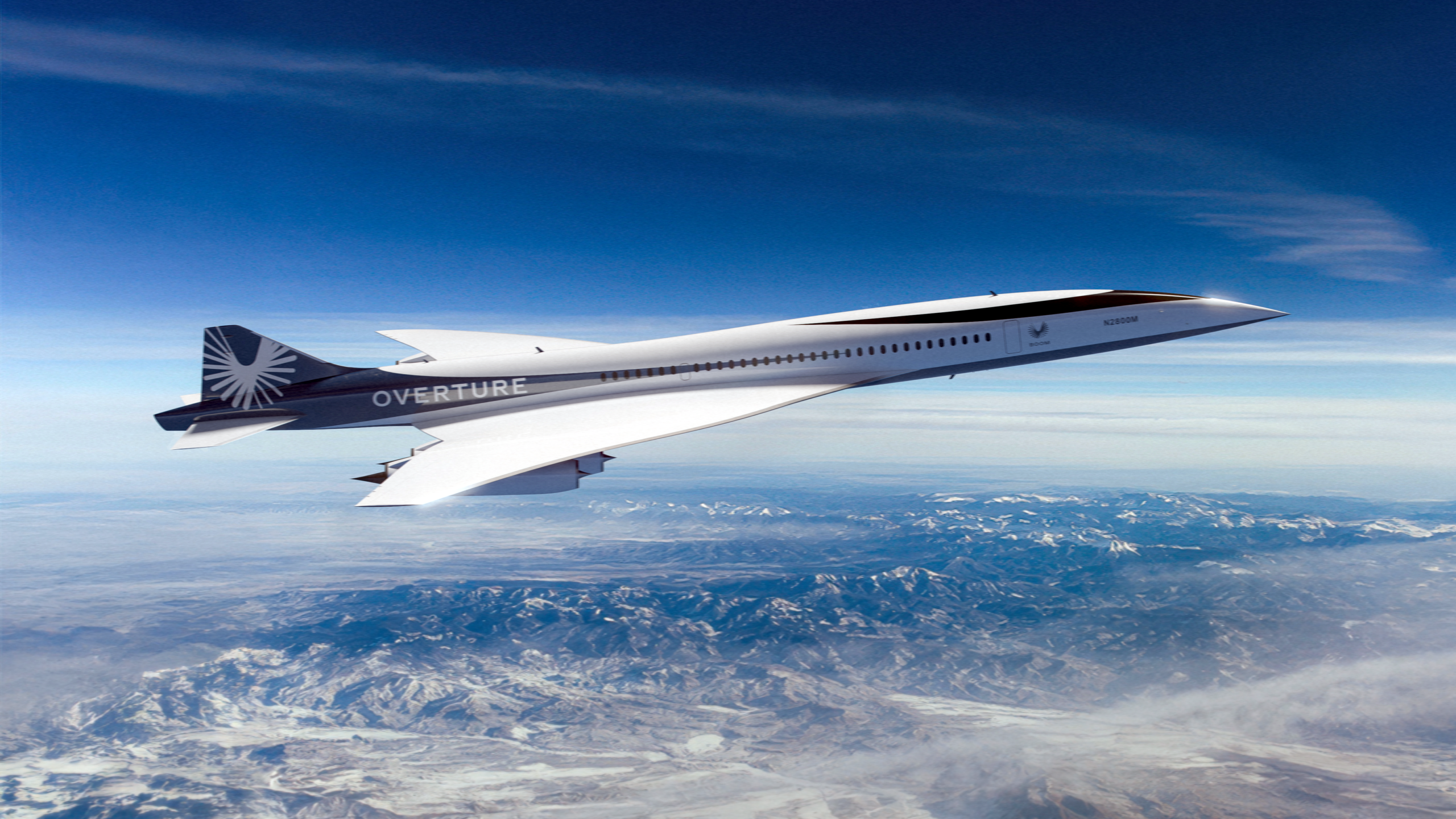
Legalization of quieter overland supersonic flights could help revive commercial supersonic aviation, which has been grounded in the US for decades. Boom Supersonic is developing a passenger airliner called Overture with the goal of delivering the first aircraft to customers by 2029 and has signed commercial agreements with American Airlines, Japan Airlines, and United Airlines.
What to watch
NASA is testing the Lockheed Martin X-59 Quesst, an experimental aircraft designed to reduce sonic booms to sonic thumps around 75 PldB (comparable to a car door slamming about 20 feet away). Flight tests over US cities will provide community feedback to inform civil aviation authorities' regulations. Boom's CEO has noted the company is also producing natural gas turbines for AI data centers to help fund Overture development, though United Airlines' CEO has estimated only a 50/50 chance of the supersonic airliner succeeding.
Summaries like this, in your inbox every morning.
Pick your industry and the AI tools you use, and get news related to your work every day.
Free · 30 seconds with Google · unsubscribe anytimeWhat is AIToday? →
Ask AI anything about this article. The AI reads this article, earlier AIToday articles, and Wikipedia, and cites its sources. Q&As are published on this page for other readers too.

