On Monday, Microsoft and OpenAI announced major changes to their partnership: OpenAI can now serve products to customers across any cloud provider (not just Azure), though Microsoft remains the 'primary cloud partner' and will receive a cut of revenue from outside agreements. Microsoft's IP rights to OpenAI's models extend through 2032, but are now non-exclusive.
The companies killed the contract's 'AGI clause,' which previously set conditions if either company achieved artificial general intelligence (AI systems that equal or surpass human intelligence on a wide range of tasks). Revenue-share payments from OpenAI to Microsoft will now only continue through 2030 at the same percentage, subject to a total cap, and will continue 'independent of OpenAI's technology progress'—meaning they no longer hinge on AGI being declared.
This is the second renegotiation of AGI terms since OpenAI's for-profit restructuring in October. Previously, Microsoft would have lost its rights to OpenAI's technology once AGI was reached; now there is no independent panel to declare AGI, no if-this-then-that contract language, and OpenAI may never have to announce if it reaches that milestone.
Summaries like this, in your inbox every morning.
Pick your industry and the AI tools you use, and get news related to your work every day.
Free · 30 seconds with Google · unsubscribe anytimeWhat is AIToday? →
Ask AI anything about this article. The AI reads this article, earlier AIToday articles, and Wikipedia, and cites its sources. Q&As are published on this page for other readers too.
Vinci4D provides chip-design simulation software that trains on physics equations instead of customer data, an…
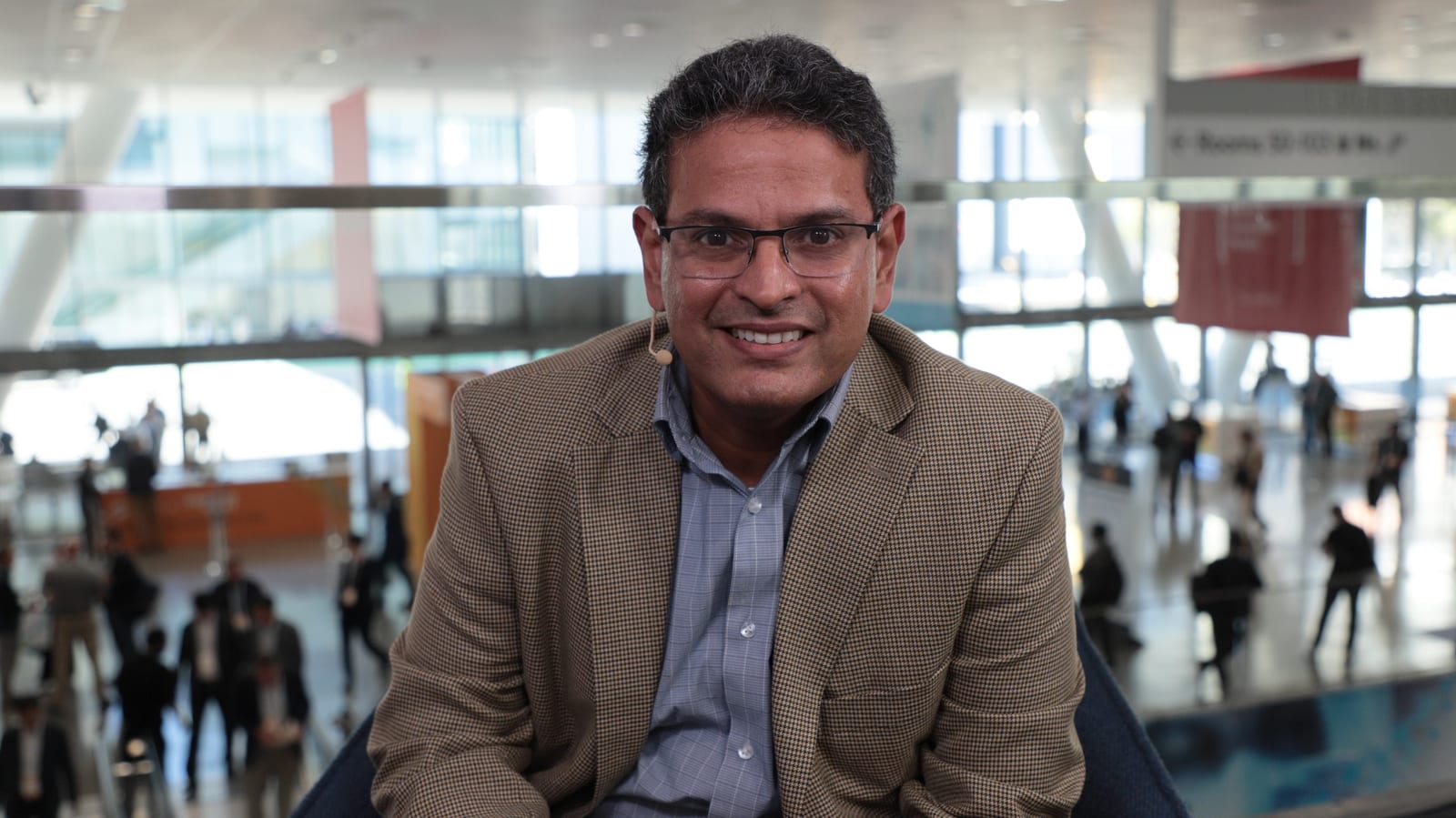
SEMI President and CEO Ajit Manocha told DIGITIMES that the semiconductor industry reached the US$1 trillion r…
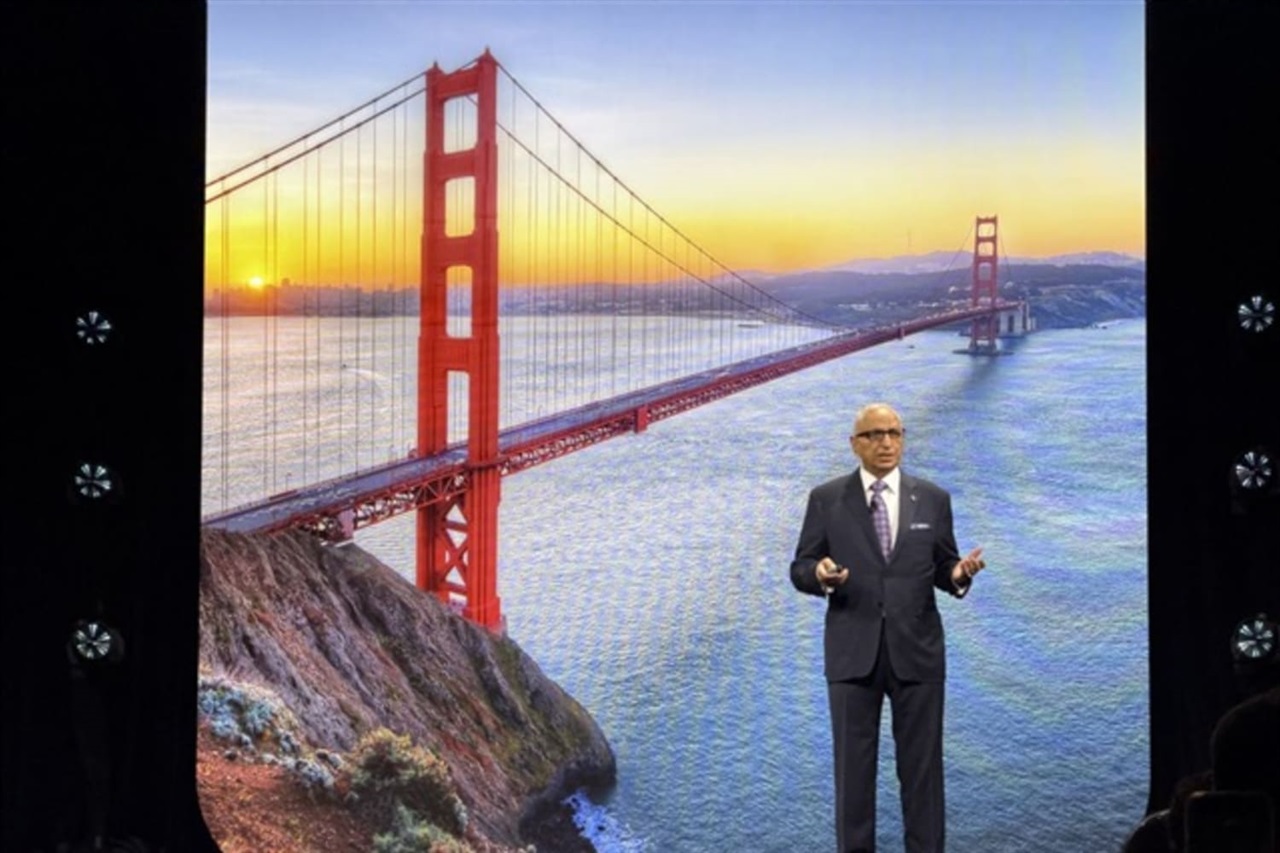
Nvidia's AI Enterprise lists at $4,500 per GPU annually, and paid subscriptions add supported software, securi…
CoreWeave fell more than 25% this week, its debt yield briefly rose above 16% on Thursday, and SK Hynix droppe…
Anthropic told investors this week that it is making 85% gross margins, a figure the columnist calls a cash co…
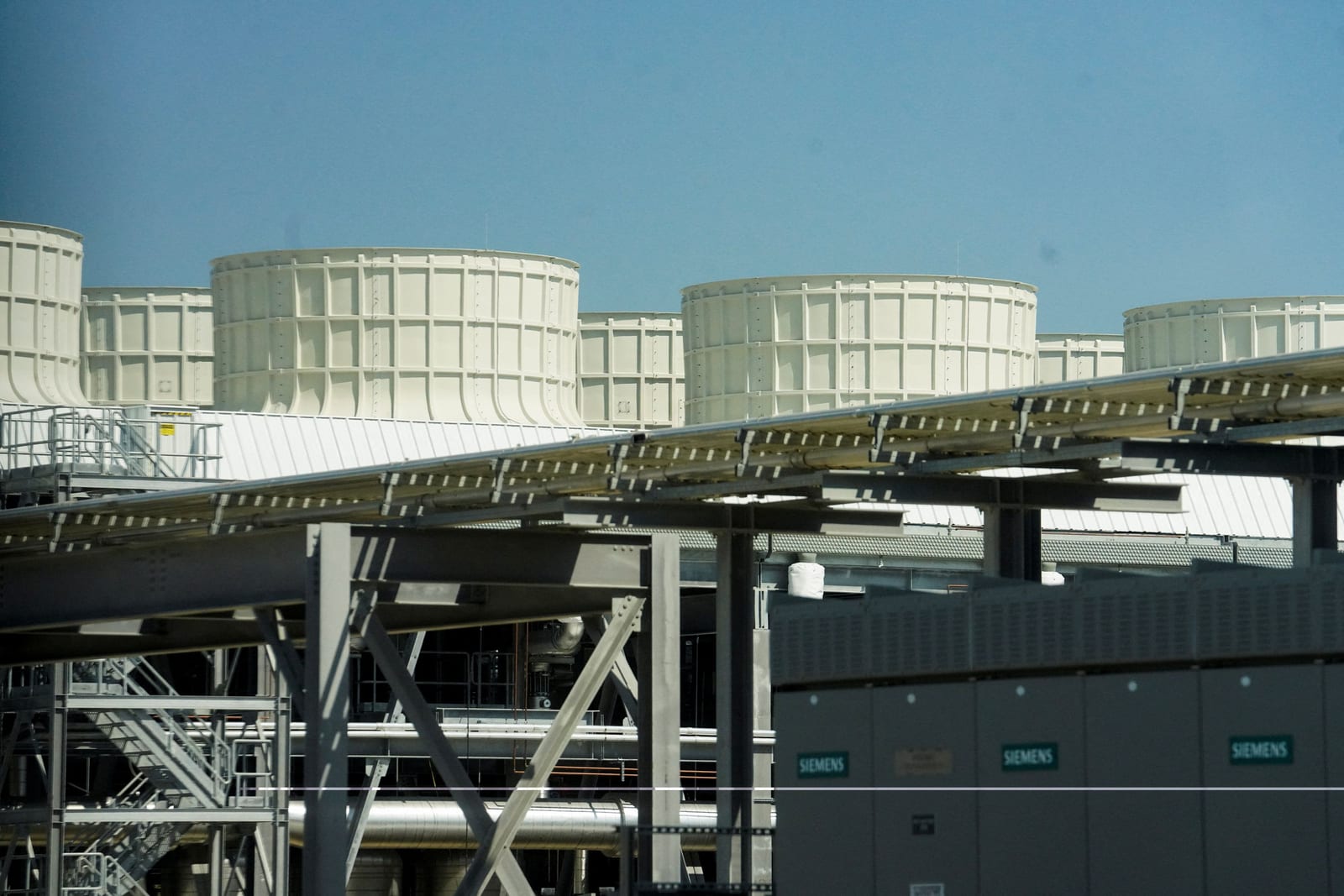
Modal Labs, an AI infrastructure provider, raised $750 million in a Series D led by Accel at a $15.75 billion…