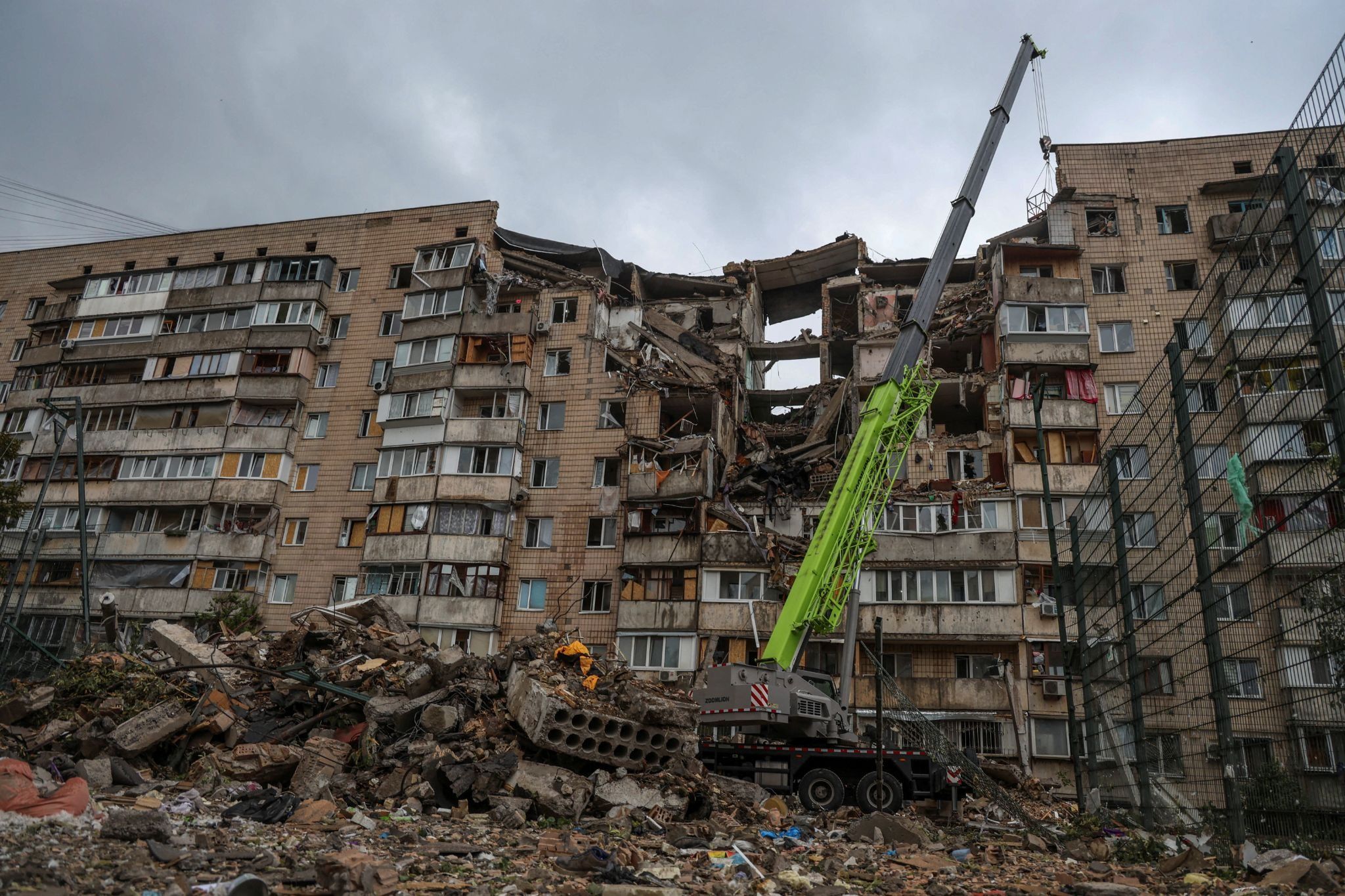
What happened
Russia and Ukraine have escalated aerial attacks on each other ahead of a NATO summit, with Moscow targeting the Ukrainian capital and Kyiv striking several Russian regions, including a St. Petersburg oil terminal. Ukraine now holds a significant military advantage: the Russia-Ukraine casualty rate has surged to 8:1 in the first half of 2026, nearly fourfold compared to much of the war's earlier period. Almost every region of Russia is suffering a fuel crisis.
Why it matters
The shift in casualty rates and fuel shortages signal a major change in the conflict's military balance. For businesses and governments tracking the war's trajectory, Ukraine's growing advantage may influence the shape of any settlement discussions, particularly as President Trump engages both sides before the NATO summit.
What to watch
The casualty disparity (8:1 in the first half of 2026, compared to earlier ratios) and Russia's widespread fuel crisis are the clearest indicators of Ukraine's current edge. Outcomes of Trump's diplomatic conversations with both leaders could signal how pressure for negotiations may shift.
Summaries like this, in your inbox every morning.
The escalation in aerial attacks reflects both sides' efforts to claim momentum ahead of a significant NATO summit and amid U.S. diplomatic engagement. However, the body's focus on Ukraine's military advantage—marked by an 8:1 casualty disparity in the first half of 2026 and Russia's widespread fuel shortage—suggests the conflict's underlying balance has shifted decisively in Ukraine's favor. This gap, nearly fourfold larger than earlier ratios, indicates not just tactical success but a substantial erosion of Russian military capacity and logistics.
The fuel crisis across almost every Russian region compounds the casualty disadvantage, pointing to sustained Ukrainian strikes on critical infrastructure. Together, these factors may influence how both sides approach Trump's diplomatic overtures and any subsequent negotiations.
Pick your industry and the AI tools you use, and get news related to your work every day.
Free · 30 seconds with Google · unsubscribe anytimeWhat is AIToday? →
Ask AI anything about this article. The AI reads this article, earlier AIToday articles, and Wikipedia, and cites its sources. Q&As are published on this page for other readers too.

