Seagate and Western Digital both benefit from AI storage demand. The article calls the matchup a tie.
Western Digital is cheaper with higher upside potential.
Seagate has a slightly higher dividend yield.
What happened
The article compares Seagate Technology and Western Digital as AI storage investments for dividend investors, declaring the matchup a tie. Seagate has a market cap of $186 billion and is up 207% YTD, while Western Digital has a $155 billion market cap and is up 172% YTD.
Why it matters
Both companies are benefiting from skyrocketing demand for high-capacity hard drives, but their financials and dividends differ. Seagate reported $3.63 billion in Q4 FY'26 revenue, 49% YoY growth, and a 43% operating margin, while Western Digital posted $3.75 billion revenue, 44% YoY growth, and a 41.7% margin.
What to watch
Western Digital offers higher upside potential (42%–124% mean-to-high target) and cheaper valuation, but Seagate has a slightly higher forward dividend yield (0.37% vs. 0.14%) and stronger analyst consensus (4.73 vs. 4.56).
Ask the AI about this article →
The article presents a head-to-head comparison of two hard drive makers riding the AI storage wave. Both companies are seeing soaring demand, but they are taking different technological paths: Seagate focuses on packing more data per drive with its Mozaic 4+ platform and HAMR technology, aiming for 100TB drives, while Western Digital pursues higher capacity, speed, and lower power consumption, with a HAMR roadmap to 100TB by 2029 and a 40TB ePMR drive already available. These strategies have led to slightly different financial outcomes, with Seagate showing better operational beats and margins, while Western Digital looks cheaper on valuation.
For dividend investors, the tie decision hinges on what they value more: Seagate's superior dividend yield and stronger analyst consensus, or Western Digital's higher upside potential and cheaper entry point. The article notes that both yields are under 1%, so dividends are not a major factor, but Seagate's edge there might tip the scales for some. Ultimately, the piece concludes that the difference is negligible, leaving investors to weigh the modest trade-offs between the two.
AI-summarized, only the topics you pick — one digest a day via Email, Slack, or Discord.
Free · takes 30 seconds · unsubscribe anytime
Ask AI anything about this article. Q&As are published on this page for other readers too.
Uber has reduced its AI costs even as usage has increased, according to an exclusive report from Axios

CrowdStrike reported second-quarter net income of $5.3 million, or a penny a share, on revenue of $1.47 billio…
Adobe (ADBE) shares rose 4.4% today

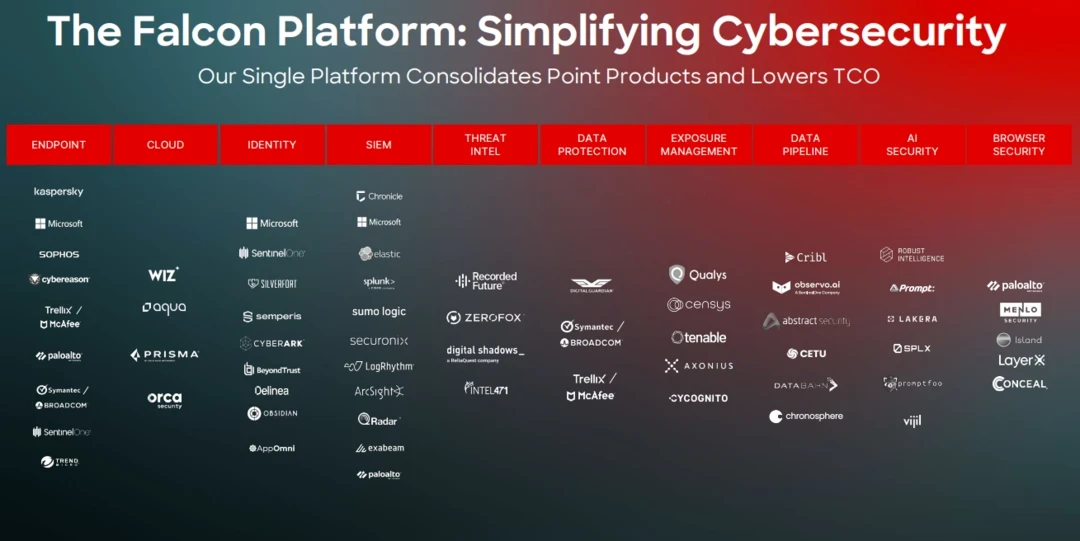
CrowdStrike and Okta shares surged after earnings showed AI adoption is boosting cybersecurity spending

Clearlake Capital and Google Cloud have formed a strategic partnership to deliver full-stack enterprise AI acr…

Vertiv, a provider of power and cooling infrastructure for data centers, is seeing its value per megawatt expa…