
Enterprise AI adoption is blocked by fragmented, siloed data across legacy systems and disconnected applications, making it difficult for AI systems to generate trustworthy, context-rich outputs. According to Bavesh Patel, senior vice president for Go-to-Market at Databricks, 'the quality of that AI and how effective that AI is, is really dependent on information in your organization.'
AI-ready data requires consolidation into open formats, governance with precision, and accessibility across functions—combining structured and unstructured data while preserving real-time context and enforcing access controls. Enterprise AI differs from consumer AI because business decisions demand high precision in outputs; successful customers require precision to be more than 92%, according to Rajan Padmanabhan, unit technology officer for data analytics and AI at Infosys.
When data infrastructure is properly built, organizations can unlock measurable outcomes, automate complex workflows, and as AI agents evolve from copilots into autonomous operators, move from 'a system of execution or a system of engagement to a system of action,' according to Padmanabhan.
Ask the AI about this article →
For example, today's edition would include:
AI-summarized, only the topics you pick — one digest a day via Email, Slack, or Discord.
Free · takes 30 seconds · unsubscribe anytimeWhat is AIToday? →
Ask AI anything about this article. Q&As are published on this page for other readers too.
Anthropic launched Claude Fable 5.1 and Mythos 5.1, its most capable AI models yet, with gains in agentic codi…

John Ternus takes over as CEO of Apple today, stepping into the role as the company confronts the AI era

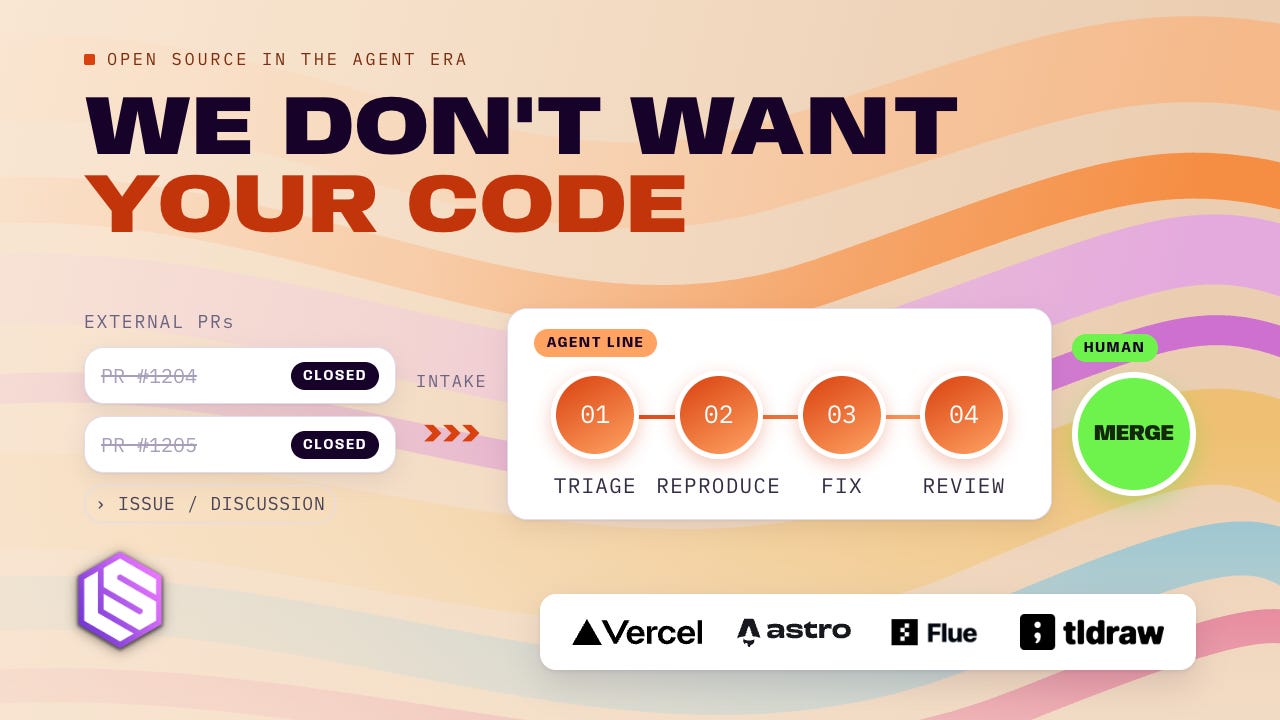
Top AI-native open source projects like Flue and tldraw are refusing external pull requests, often because the…
Visual Studio Code 1.135 now includes an experimental 'Rubber Duck' feature that lets developers request a sec…
Anthropic is making a permanent 25% increase to the usage limits in Claude Code, effective after September 14
OpenClaw creator Peter Steinberger and co-developers announced OpenClaw 2.0 over the weekend, describing it as…