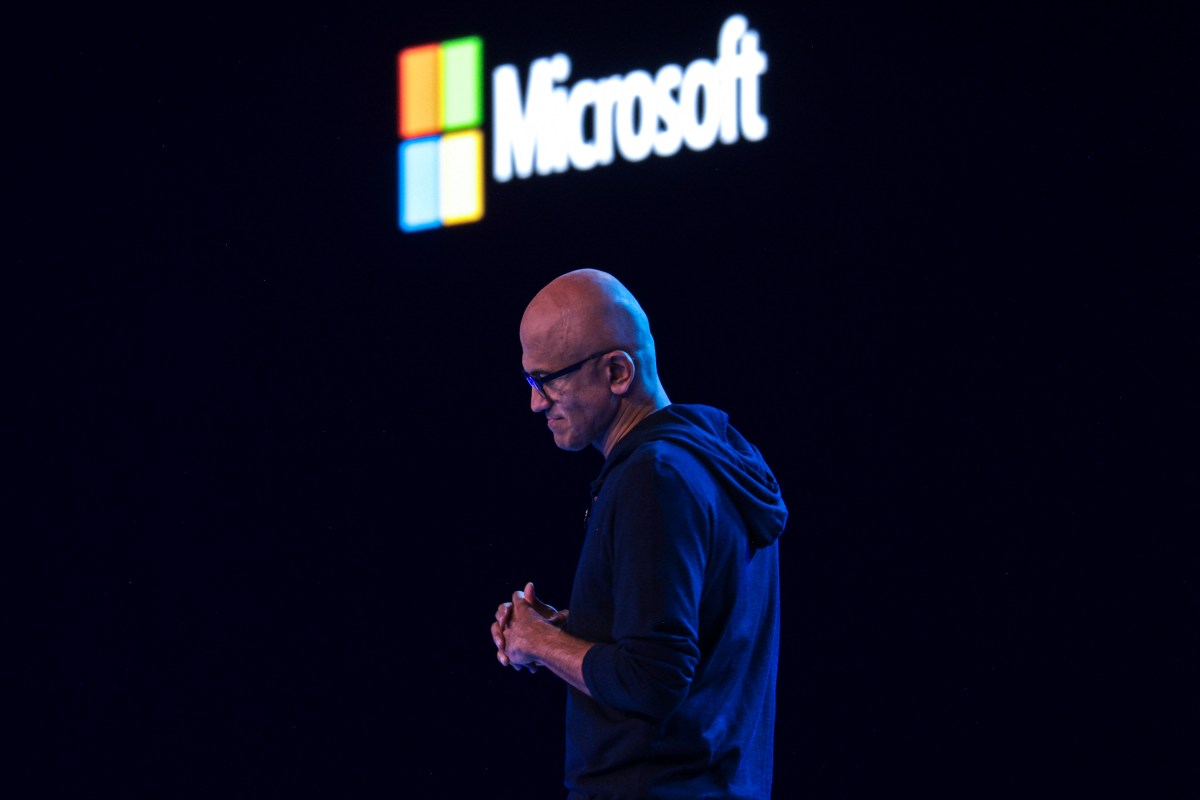
Microsoft is cutting AI costs by deploying its own homemade models in Excel and Word instead of relying solely on OpenAI and Anthropic software. This move is part of a wider industry trend in which large tech companies—Amazon, Uber, Meta, and Accenture among them—are tightening spending on AI services to manage rising infrastructure costs.
Summaries like this, in your inbox every morning.
Sign up free →What happened
Microsoft has begun deploying its own in-house MAI models to handle a portion of user prompts in Excel and Word, reducing reliance on software from OpenAI and Anthropic. Last month at its Build conference, Microsoft announced the launch of seven new MAI models, including an agentic coder and a text-to-image generator.
Why it matters
AI infrastructure costs have become a significant financial burden across the industry. By using its own models instead of third-party services, Microsoft is following a broader trend among large tech companies—including Amazon, Uber, Meta, and Accenture—to curb spending on AI. This shift suggests that the economics of relying on external AI providers may no longer be sustainable for large-scale deployments.
What to watch
Microsoft previously advertised that large parts of Office 365 are powered by models from OpenAI and Anthropic, but the company has begun to diversify away from that dependency. The company declined to provide further comment to TechCrunch on the strategy.
The surge in AI infrastructure costs has become a defining challenge for large tech companies. Earlier this year, a brief wave of "tokenmaxxing"—pushing raw AI consumption—gave way to a markedly more cautious approach. Microsoft's decision to shift Excel and Word toward its own models reflects this turning point: when third-party AI services from OpenAI and Anthropic carry a significant ongoing cost, in-house alternatives become strategically attractive, even if they require heavy upfront investment in model development and infrastructure.
Microsoft's move is not isolated. The body notes that Amazon, Uber, Meta, and Accenture have all taken similar steps to constrain AI spending. The cost pressure has even driven some companies to explore Chinese models as a potentially cheaper option, despite security concerns. For Microsoft—which had publicly touted its partnerships with OpenAI and Anthropic as a core strength of Office 365—the pivot signals a maturation of the AI market: the early phase of reliance on best-in-class external models is giving way to a cost-conscious calculus in which economies of scale and vertical integration matter more.
No discussion yet for this article
Get curated AI news from 200+ sources delivered daily to your inbox. Free to use.
Get Started FreeFree · takes 30 seconds · unsubscribe anytime
1 minute a day. The AI essentials.
200+ sources · Email / LINE / Slack
