Deutsche Telekom is reshaping its core operations by embedding OpenAI technology into customer service, internal workflows, and network management to become an AI-native telecommunications company.
This move demonstrates how large telecom operators can use AI to automate labor-intensive support processes and optimize network handling, potentially raising the bar for customer experience and operational efficiency across the industry.
What happened
Deutsche Telekom is integrating OpenAI technology across its business—customer service, employee workflows, and network operations—to operate as an AI-native telecommunications company.
Why it matters
Telecommunications firms handle vast customer interactions and complex infrastructure; AI-powered automation in these areas can reduce support costs, streamline internal processes, and improve network reliability. For telecom operators globally, this signals a path to compete on service quality and operational efficiency rather than infrastructure alone.
What to watch
The company is transforming voice services and customer-facing systems, suggesting broader industry shifts toward AI-driven telecommunications. The extent to which this model scales to other European or global telecom operators will indicate whether AI-native operations become a competitive necessity.
Ask the AI about this article →
Deutsche Telekom's partnership with OpenAI reflects a strategic shift in the telecommunications industry toward AI-native operations. Rather than viewing AI as a supplementary tool, the company is embedding it into core functions—from the front-line customer interactions that consume labor and resources to back-end network optimization that affects service quality. The announcement covers four distinct domains: customer service (where AI can handle and route high call volumes), employee workflows (where automation can reduce manual tasks), network operations (where AI can predict and prevent failures), and voice transformation (suggesting convergence between traditional telecom and AI-driven communication). For Deutsche Telekom, this approach aims to differentiate the company not on infrastructure investment alone, but on the efficiency and responsiveness of service delivery. The scale of this integration—touching customer-facing, internal, and infrastructure layers simultaneously—may signal a template other large telecom operators consider as competition intensifies and customer expectations shift toward faster, more personalized support.
For example, today's edition would include:
AI-summarized, only the topics you pick — one digest a day via Email, Slack, or Discord.
Free · takes 30 seconds · unsubscribe anytimeWhat is AIToday? →
Ask AI anything about this article. Q&As are published on this page for other readers too.
CrowdStrike Holdings Inc

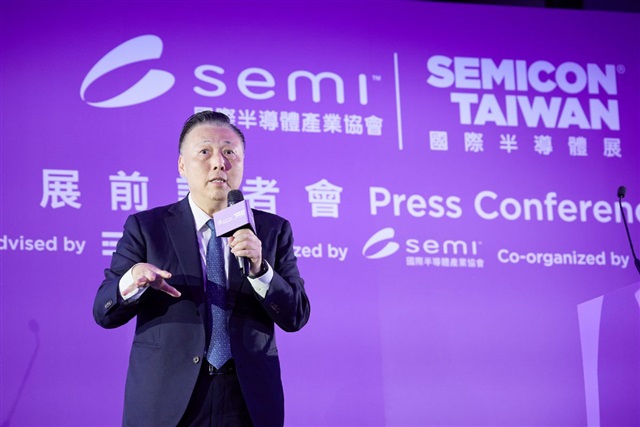
ASE Technology CEO and SEMI Global Board Executive Committee Chair Tien Wu said AI's early-stage growth is cre…
Fervo Energy signed a deal to supply 396 MW of electricity from its Cape Station project in Utah to a Google d…

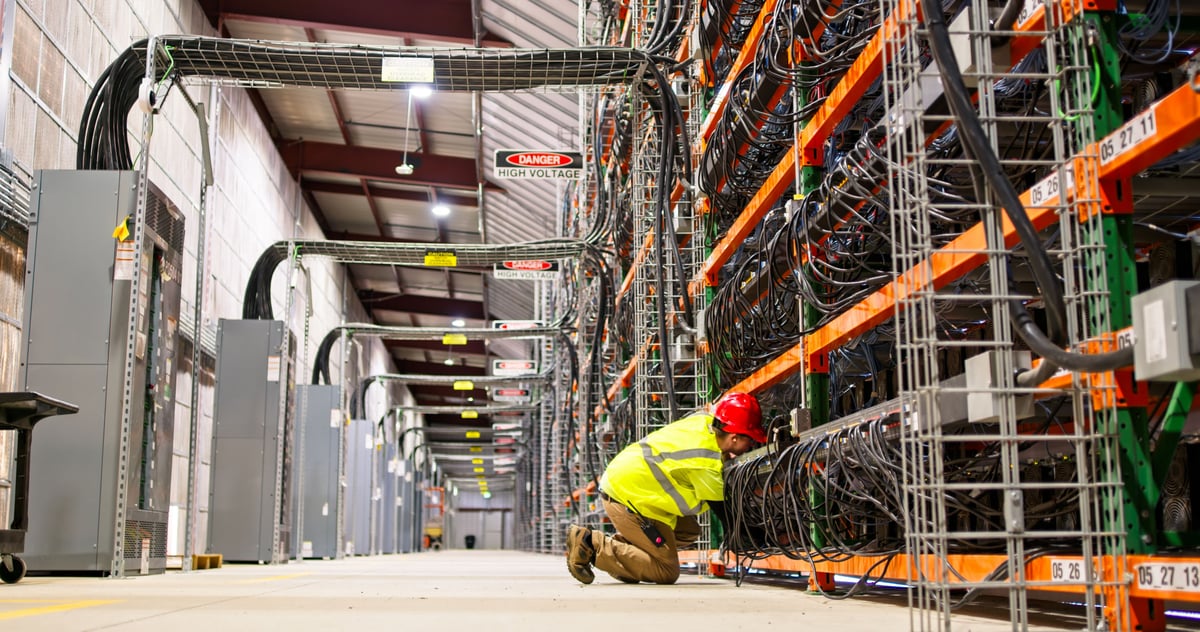
Nvidia co-announced with Vertiv in August that it is making progress on 800-volt power infrastructure for its…
John Ternus takes over as CEO of Apple today, stepping into the role as the company confronts the AI era

Top AI-native open source projects like Flue and tldraw are refusing external pull requests, often because the…