What happened
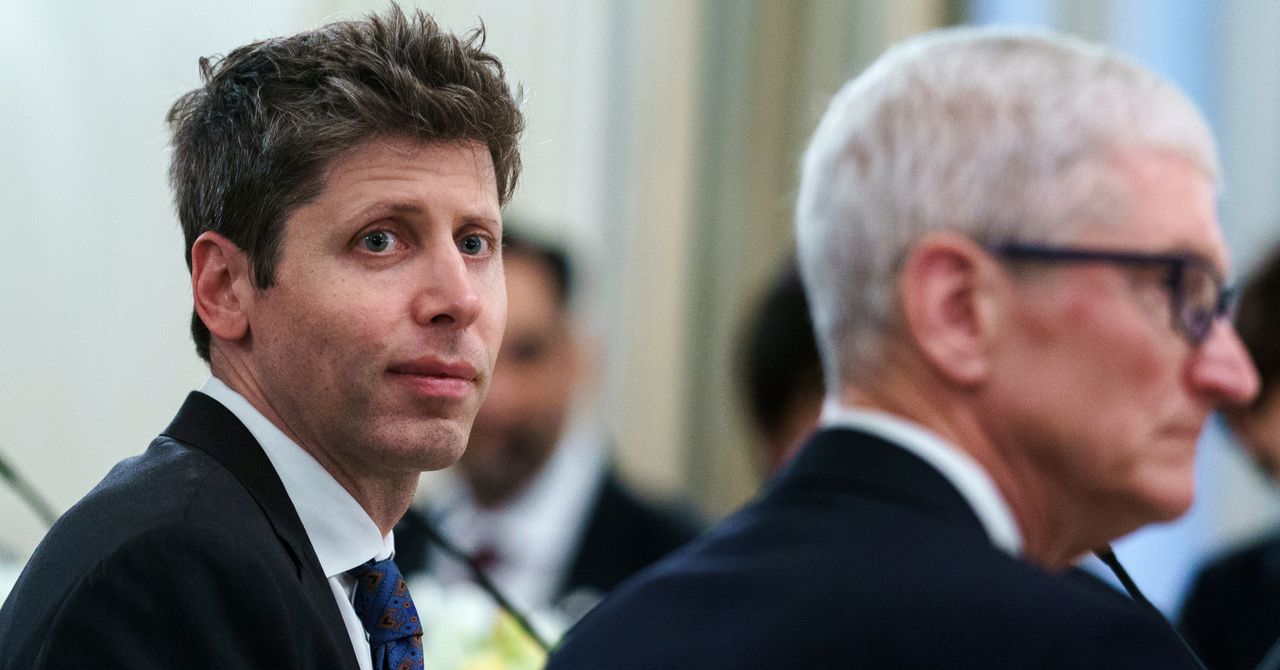
Apple filed a lawsuit against OpenAI and hardware chief Tang Tan, alleging they stole trade secrets including unreleased parts, prototypes, and confidential designs. The suit claims Tan, who spent 24 years at Apple overseeing iPhone design, directed recruits to bring proprietary components to job interviews and coached departing employees on evading Apple's security protocols.
Why it matters
Apple and OpenAI were partners since 2024 but their relationship has frayed as both prepare to compete in AI-powered consumer devices. OpenAI has hired more than 400 former Apple employees and last year acquired io Products, a startup cofounded by Tan and other Apple veterans, for $6.5 billion(約1兆円). The lawsuit signals a sharp escalation in this rivalry and opens what may be the highest-stakes intellectual property battle in Silicon Valley since Waymo accused Uber in 2017 (Uber settled for $245 million(約390億円)).
What to watch
Apple is seeking an injunction to stop the alleged theft, monetary damages, and return of stolen data. OpenAI won't ship any hardware to customers until at least April 2027, giving the legal dispute time to develop. The case centers on whether OpenAI's nascent hardware unit, now relying on allegedly misappropriated Apple secrets, can survive judicial scrutiny.
Summaries like this, every morning.
Apple's lawsuit emerges from a partnership that once seemed complementary but has become competitive. The two companies announced a landmark deal in 2024 to integrate ChatGPT into iPhones, Macbooks, and iPads. However, the relationship has deteriorated as Apple shifted toward Google's Gemini AI for its in-house models, while OpenAI pivoted toward building its own consumer hardware—the very market Apple dominates. OpenAI's $6.5 billion(約1兆円) acquisition of io Products last year, which was cofounded by Tan and other longtime Apple executives, signaled serious intent in hardware and may have triggered heightened Apple scrutiny.
The alleged misconduct documented in the lawsuit—employees downloading confidential files before departure, taking internal security manuals, emailing supplier information to personal accounts, and bringing physical Apple components to OpenAI interviews—paints a picture of systematic effort to bootstrap OpenAI's hardware unit with Apple's intellectual property. Apple discovered the alleged theft early this year after engineer Chang Liu never returned his company laptop and was found still accessing Apple's internal systems. The lawsuit's scope extends to io Products and includes allegations that OpenAI's unit approached Apple suppliers with misleading claims about project approval and targeted questions designed to extract proprietary information.
The legal battle carries historical weight: it echoes the 2017 Waymo-Uber dispute over autonomous vehicle hardware designs, which settled for $245 million(約390億円) during trial. Apple's demand for an injunction is particularly significant because it could disrupt OpenAI's hardware timeline—already delayed until at least April 2027—and threaten the viability of products that OpenAI has publicly described only vaguely as a "family" of AI-powered devices.
Pick your industry and the AI tools you use, and get news related to your work every day.
Free · 30 seconds with Google · unsubscribe anytimeWhat is AIToday? →
Ask AI anything about this article. The AI reads this article, earlier AIToday articles, and Wikipedia, and cites its sources. Q&As are published on this page for other readers too.
Google Cloud revenue grew 82% year over year to $24.8 billion last quarter, up from $13.6 billion a year earli…
Kazakhstan joined both camps — its AI minister Zhaslan Madiyev visited Washington in June, then Shanghai three…
South China Morning Post reported on October 25 that Hong Kong shoppers can scan a QR code, open an AI vending…

inori launched a free site that analyzes X posts to match users to an AI model like GPT, Claude or Gemini
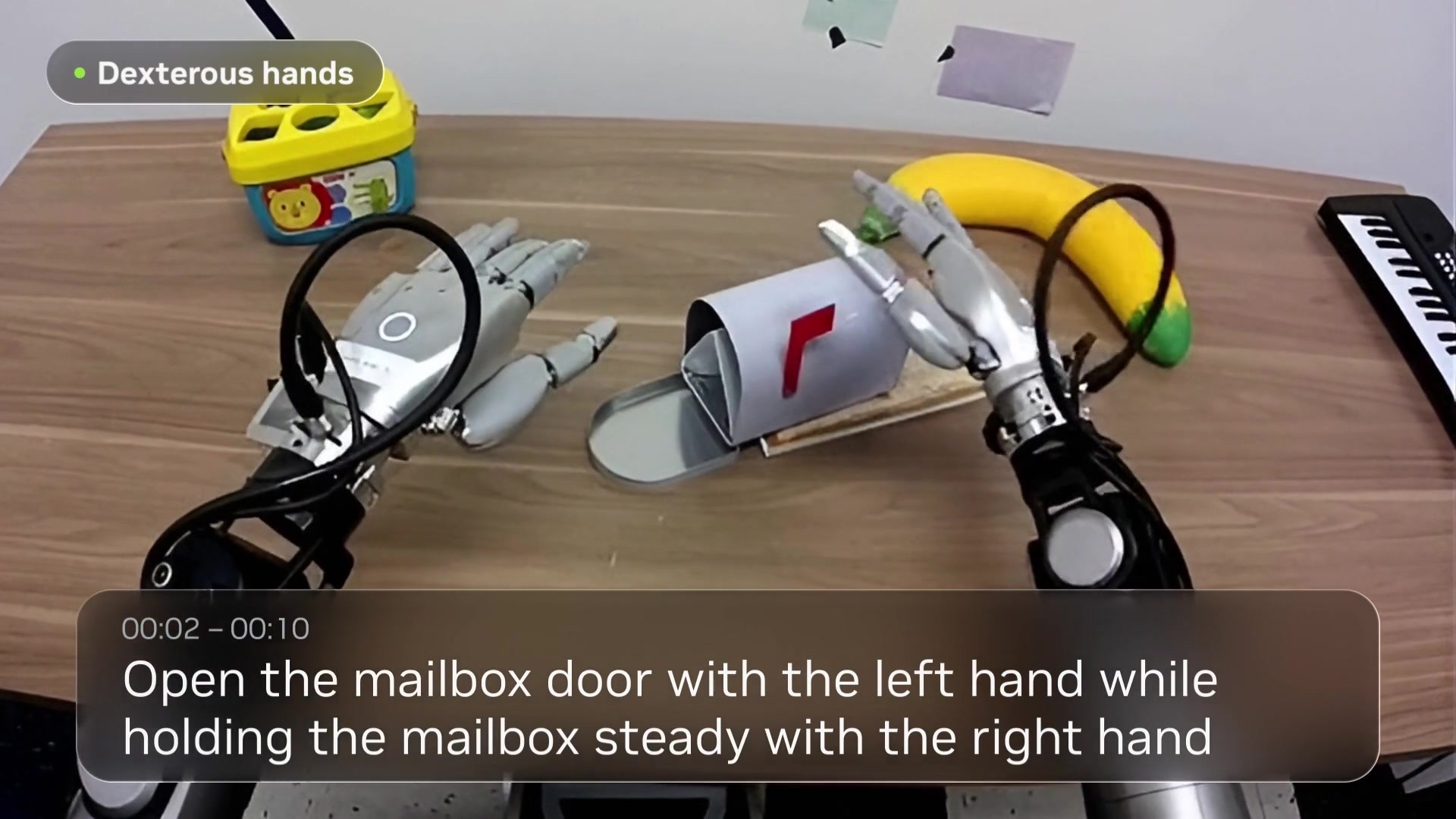
Nvidia open-sourced Flora, a data engine of three fine-tuned Qwen3.5 models that covers all three label types…
Authentic Brands Group filed suit against Anthropic, alleging Claude was trained on 274 Presley songs, from "A…