Summaries like this, in your inbox every morning.
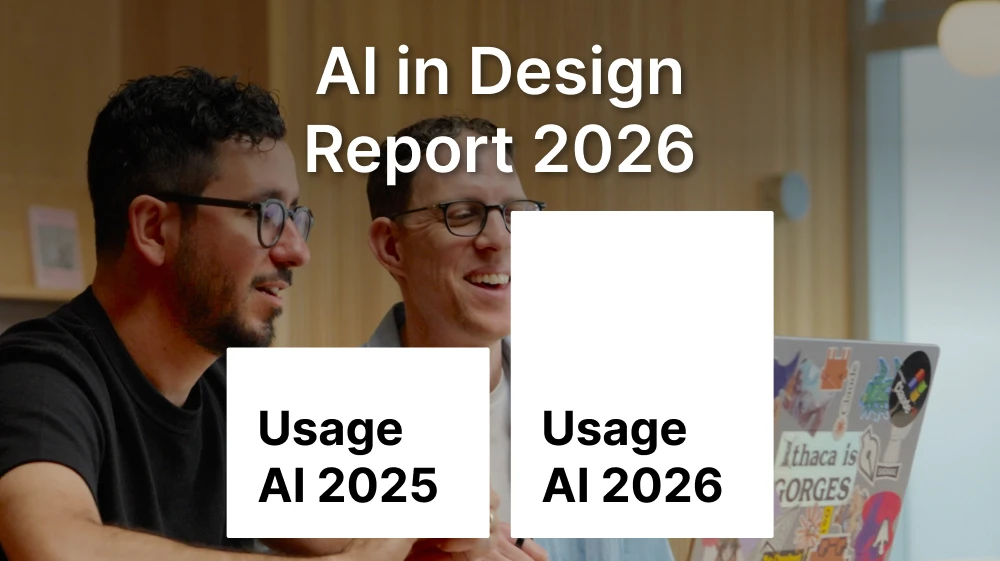
Sign up free →What happened: According to a 2026 survey of 900+ designers, 91% now use AI at least weekly (up from 54% in 2025), and the average designer's toolstack doubled from 3 tools to 7 in a single year. Claude overtook ChatGPT as the most widely used AI tool among designers, jumping from 52% to 78%, while 50% of all respondents—including brand designers, not just engineering-adjacent roles—have shipped AI-generated code to production. At early-stage companies, that figure reaches 68%.
Why it matters: The report reveals a profession in structural transition. Designers are moving beyond visual tools into code execution, blurring traditional role boundaries; 40% of respondents say engineers are doing more design work, and 34% report collaboration has become messier with less clearly defined roles. Yet only 5% of design leaders are placing less emphasis on execution craft, and 60% expect to maintain or grow headcount—suggesting companies still value design leadership, but are hunting for a different profile: AI fluency, systems thinking, and strategic vision rather than tool mastery.
What to watch: The confidence gap is real. While 80% of designers say reliable, high-quality output is what makes a tool stick, 62% named inconsistent or unreliable output as their biggest frustration, and nearly half of respondents are still searching for their go-to toolstack setup. Peer learning jumped from 24% to 70% year-over-year, signaling designers are self-organizing their workflows rather than waiting for leadership to prescribe them—a pattern that favors individuals and small teams but creates isolation: 53% report improved job satisfaction and creative capability, but 18% say job satisfaction has decreased, citing loneliness and loss of collaborative flow as the cost of solo AI-powered execution.
No discussion yet for this article
Get curated AI news from 200+ sources delivered daily to your inbox. Free to use.
Get Started FreeFree · takes 30 seconds · unsubscribe anytime
5 minutes a day. The AI essentials.
200+ sources · Email / LINE / Slack
