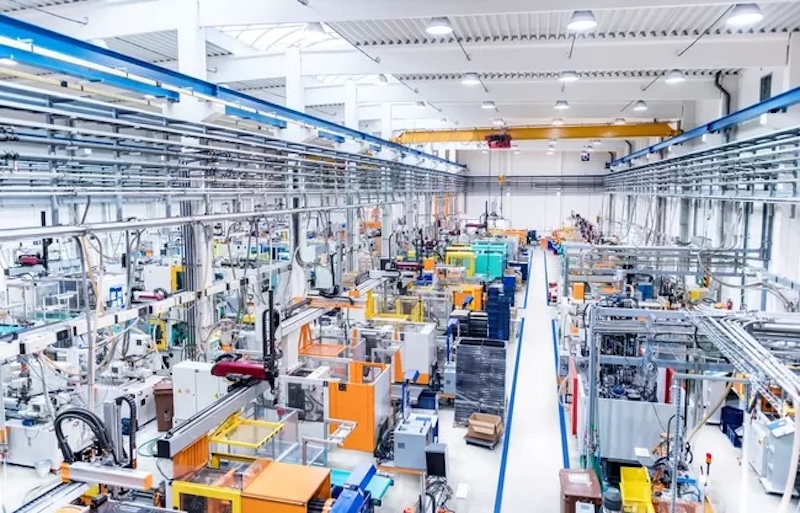
Manufacturers worldwide must embed automation and AI into legacy facilities—well over two-thirds globally are brownfield sites with aging equipment, heterogeneous controls, and patched integrations—where extended downtime or rip-and-replace projects are not feasible.
Interoperability and data quality are the primary blockers: new robots and vision systems often cannot natively communicate with older PLCs or proprietary networks, and 54 percent of industrial leaders cite data quality and availability as the top challenge scaling AI; manufacturers typically resort to expensive middleware or hardware replacement to bridge the gap.
Execution-focused leaders design incremental, interoperable upgrades around specific, measurable targets (e.g., defined percentage reduction in unplanned downtime) rather than betting on eventual full overhauls; they use digital twins, modular connectivity, and open standards to extend existing architectures without wholesale rewiring.
Cultural and skills gaps frequently stall automation and AI projects: operations teams view experimental technologies as risk to uptime, IT and OT teams may have misaligned priorities, and workforce development lags technology, leaving gaps in troubleshooting hybrid systems and interpreting AI recommendations.
Ask the AI about this article →
For example, today's edition would include:
AI-summarized, only the topics you pick — one digest a day via Email, Slack, or Discord.
Free · takes 30 seconds · unsubscribe anytimeWhat is AIToday? →
Ask AI anything about this article. Q&As are published on this page for other readers too.

