What happened
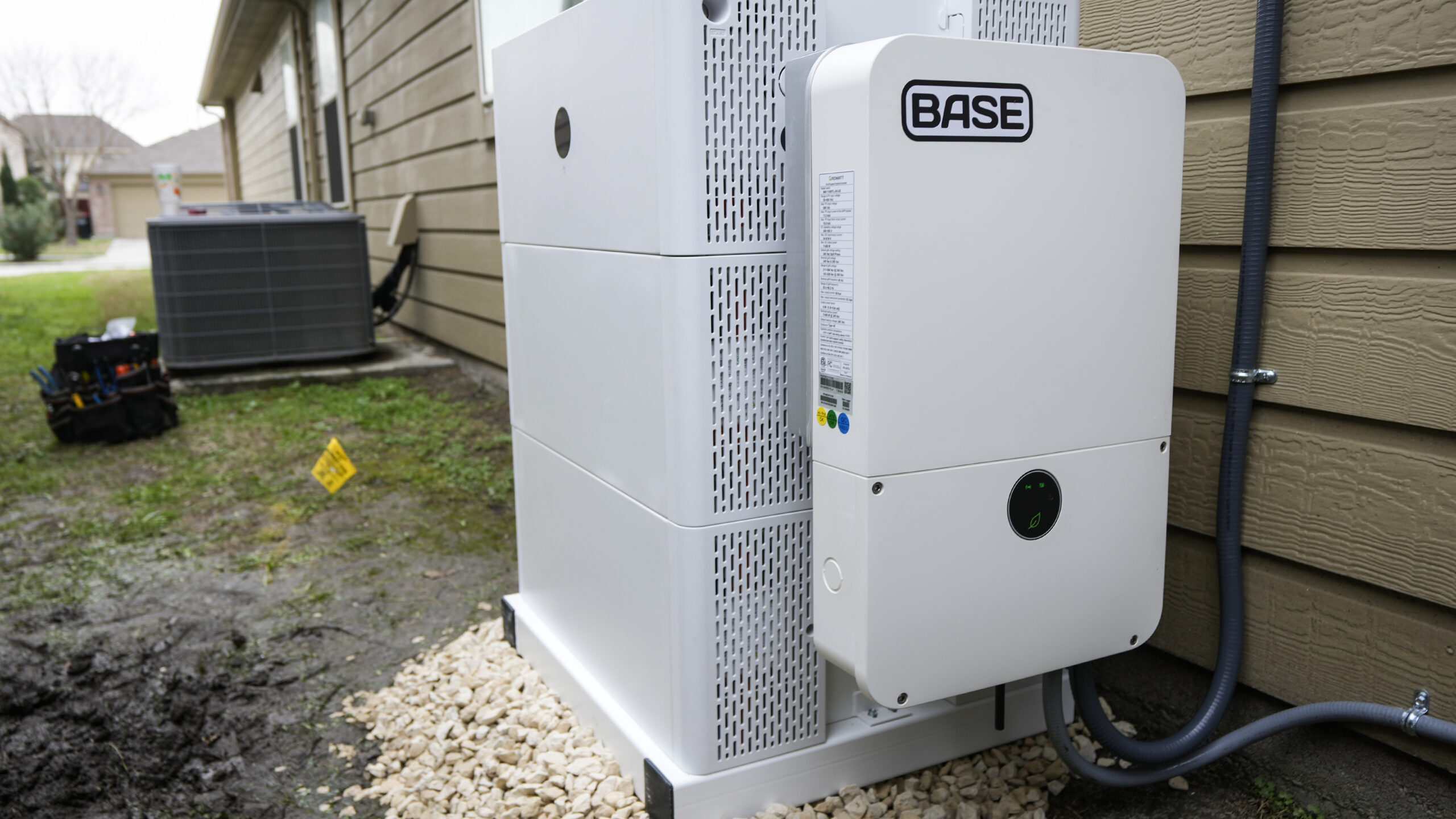
US residential battery installations reached 673 megawatts of energy storage in the first quarter of 2026, driven by state incentives and rising electricity costs. California and Hawaii led the trend, with California offering better pricing for energy exported to the grid after sunset and Hawaii providing $400 per kilowatt installed.
Why it matters
Home batteries allow owners to store energy when prices are low and use it during peak-demand periods, offsetting a nationwide residential electricity cost increase of more than 7 percent in April 2026 compared to April 2025. Grid operators and data centers may also benefit from more flexible energy supply.
What to watch
The battery surge coincided with a slowdown in residential solar installations due to elimination of a 30 percent federal solar tax credit, though US solar generation overall continues to rise and surpassed coal-fired generation in April.
Summaries like this, in your inbox every morning.
Pick your industry and the AI tools you use, and get news related to your work every day.
Free · 30 seconds with Google · unsubscribe anytimeWhat is AIToday? →
Ask AI anything about this article. The AI reads this article, earlier AIToday articles, and Wikipedia, and cites its sources. Q&As are published on this page for other readers too.

