Stock market investment focus is moving from building new AI data centers to upgrading the internal networking technology within them—specifically optical connections between server racks and GPUs.
Furukawa Electric, a Japanese connector and optical cable manufacturer, stands to gain as demand for high-speed internal data center links rises alongside AI workload complexity.
What happened
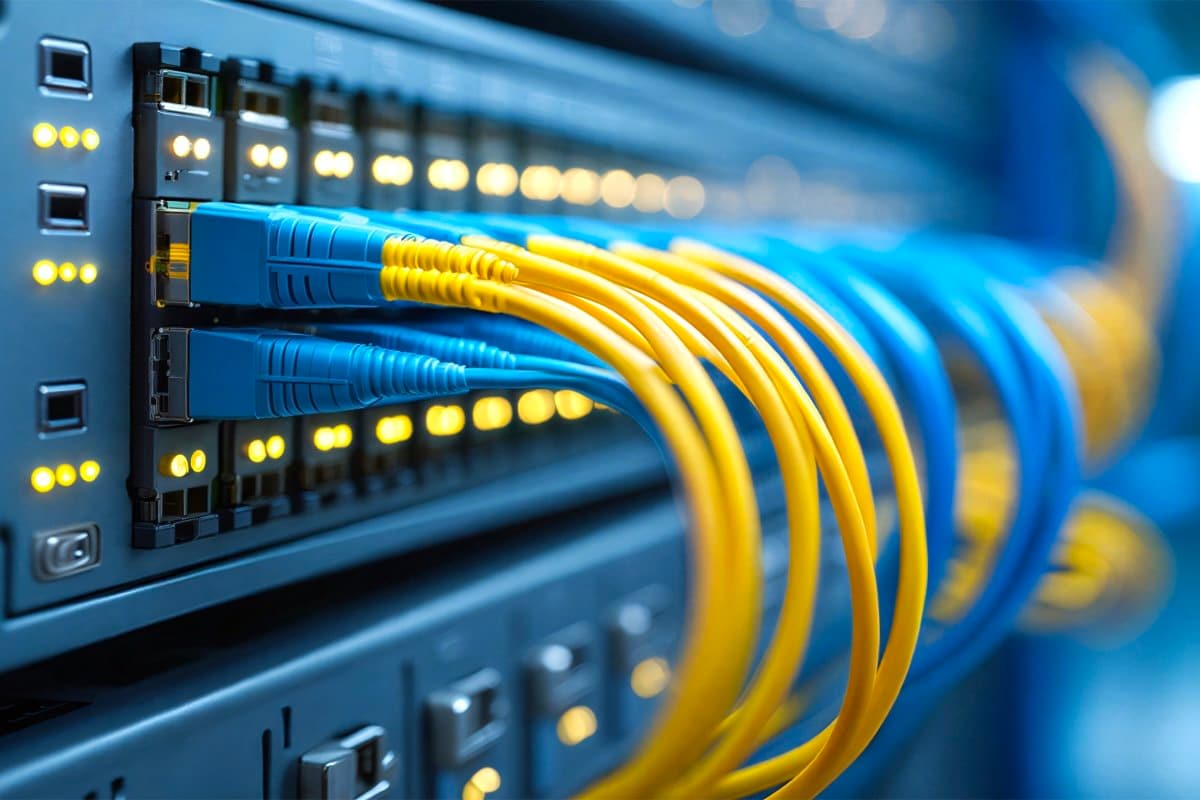
Stock market focus on AI data center investments is shifting from external fiber-optic networks that connect facilities to internal optical connection technology that links server racks and servers within data centers. Furukawa Electric, a maker of connectors and optical cabling, is positioned to benefit from this change.
Why it matters
As AI systems process exponentially larger data volumes between servers, the speed and reliability of connections within data centers—not just between them—becomes critical to GPU performance. Furukawa Electric supplies the optical connectors, cables, and next-generation components (external light sources for CPO technology) that enable this internal networking.
What to watch
Furukawa Electric acquired Hakusan, a #2 global maker of MT ferrule connectors for data centers, in 2024, and announced a new factory for next-generation connectors in June. The company is also developing external light sources essential for next-generation optical communication (CPO).
Ask the AI about this article →
The AI market's investment cycle is maturing. Initially, stock gains concentrated on semiconductor makers like Nvidia and data center construction companies that build new facilities. As that phase saturates and actual AI workloads deploy at scale, investors are moving downstream to the infrastructure layers that support those workloads—specifically the "hidden" internal networks within data centers.
Furukawa Electric's opportunity stems from a simple scaling fact: connecting two data centers with fiber optic cables is very different from connecting hundreds of servers and GPU racks within a single facility. The internal links must handle massive simultaneous data flows without delay, or the GPUs cannot perform their intended tasks. The body uses an apt analogy: if the GPU is the "brain," then Furukawa's connectors and cables are the "nervous system and blood vessels." Without that infrastructure working flawlessly, even the most advanced chips fail to deliver their promised speed.
The company has already positioned itself through two moves: acquiring Hakusan (a top-three connector maker) in 2024, and announcing a new factory for next-generation connectors in June, signaling it expects sustained demand. It is also investing in external light sources for CPO (coherent pluggable optics), a next-wave technology for data center interconnection. These moves suggest management anticipates this internal-network shift will persist and drive years of revenue growth.
For example, today's edition would include:
AI-summarized, only the topics you pick — one digest a day via Email, Slack, or Discord.
Free · takes 30 seconds · unsubscribe anytimeWhat is AIToday? →
Ask AI anything about this article. Q&As are published on this page for other readers too.
BHP, the world's largest mining company by market capitalization, has deployed AI across its operations
Team Liquid announced a new five-year extension of its long-running collaboration with Dell Technologies' Alie…
A University of Mississippi study published in Journal of Interactive Advertising found that AI ads succeed wh…

Goldman Sachs Research says AI supply and demand won't balance until the first half of 2028
Lam Research broke ground yesterday on a new lab in Tualatin, Oregon

Visa, Mastercard, and Fiserv joined the Agentic Payments Alliance (APA), a 26-company coalition led by stablec…