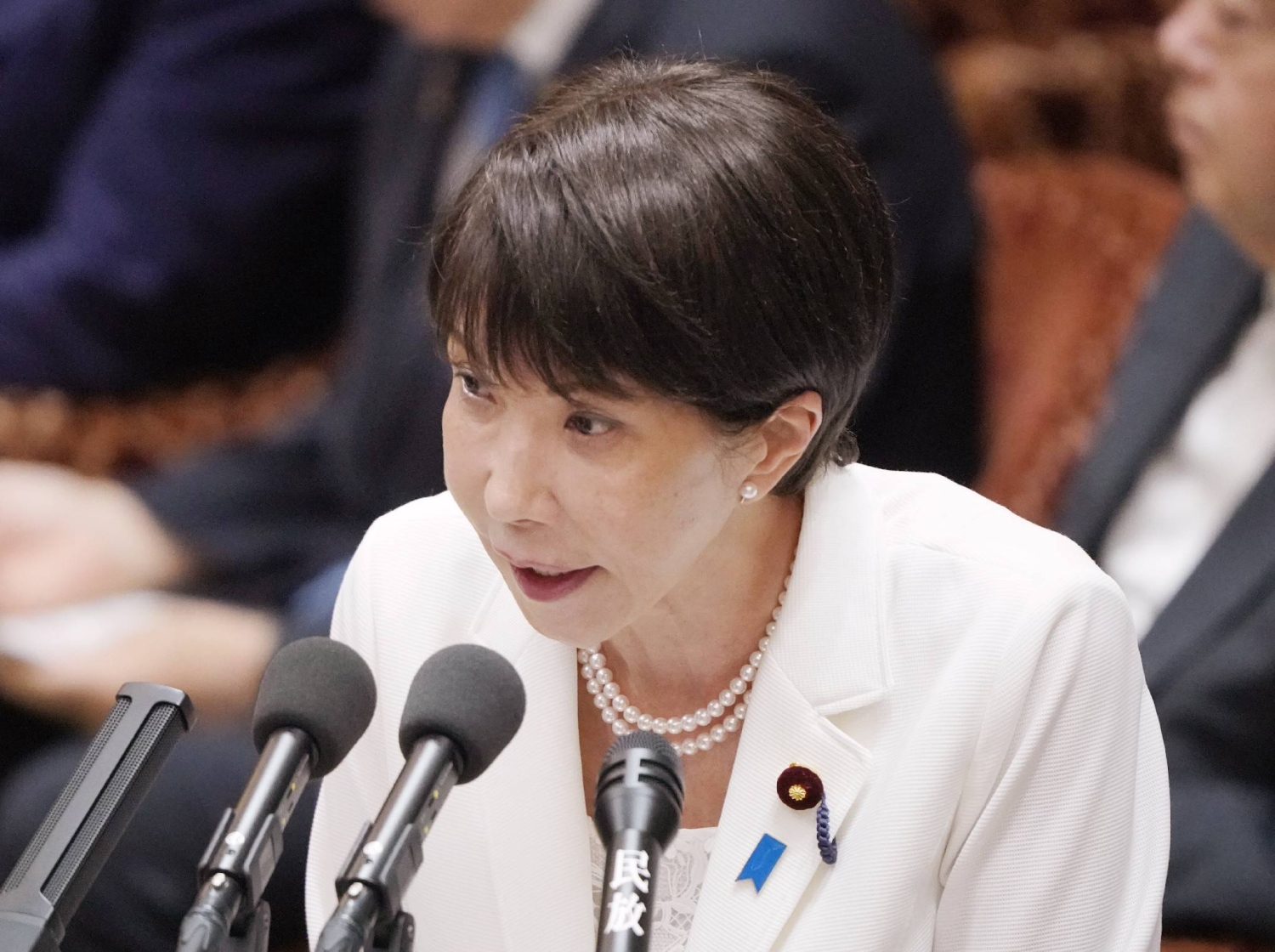
Prime Minister Takaichi's government is considering a 60-day extension of the current parliament session to pass two divisive bills before the July 17 deadline—one that would cut Lower House seats by eliminating 45 proportional representation positions, and another establishing a secondary capital.
Smaller opposition parties are strongly against the seat-reduction bill because it would significantly weaken their parliamentary representation.
What happened
Prime Minister Sanae Takaichi's government is considering extending the current parliament session by 60 days to debate two controversial bills—one to reduce Lower House seats and another to establish a secondary capital—before the July 17 deadline. The Liberal Democratic Party and Japan Innovation Party want both bills passed in the ongoing session.
Why it matters
Smaller opposition parties are strongly opposed, particularly to the bill eliminating 45 proportional representation seats, which would reduce their own parliamentary power. The government's decision to invoke the 60-day extension would signal determination to override this resistance, affecting how parliament allocates power and representation.
What to watch
The current session ends July 17. The question now is whether Takaichi will formally invoke the 60-day rule; if she does, the contentious votes would proceed despite opposition objections.
Ask the AI about this article →
For example, today's edition would include:
AI-summarized, only the topics you pick — one digest a day via Email, Slack, or Discord.
Free · takes 30 seconds · unsubscribe anytimeWhat is AIToday? →
Ask AI anything about this article. Q&As are published on this page for other readers too.

