What happened
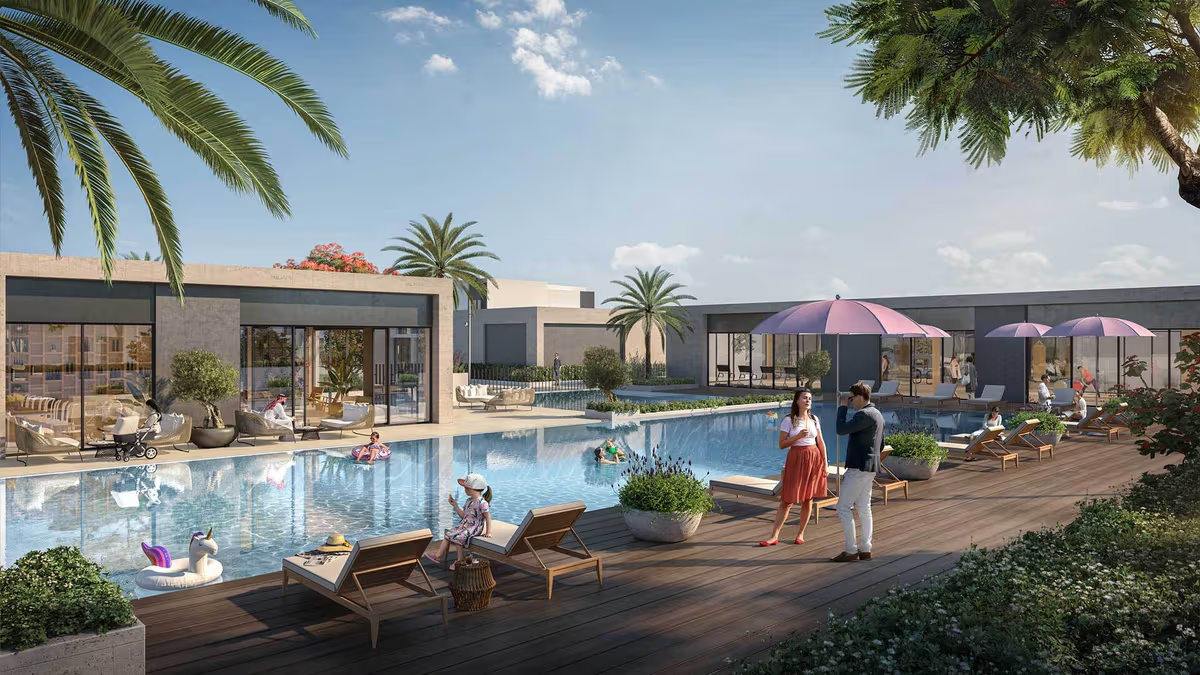
Dubai's executive council approved an 18 billion-dirham ($4.9 billion(約7800億円)) spending plan focused on cutting red tape for new businesses, establishing an Islamic finance technology center, and building an elevated highway alongside Sheikh Zayed Road. The ruling family is also backing Emaar's $54 billion(約8.6兆円) "Dubai Estate" megaproject, with Dubai Holding becoming Emaar's largest shareholder in May.
Why it matters
The emirate is working to recover from economic damage caused by the Iran war and rebuild confidence in UAE's largest city. The infrastructure and regulatory investments are meant to address long-standing resident complaints about gridlock and make Dubai more attractive as a business and residential destination.
What to watch
The elevated highway project and Dubai Estate development—among Emaar's largest-ever projects—are central to whether Dubai can sustainably reverse the economic downturn and retain both businesses and residents.
Summaries like this, in your inbox every morning.
Dubai's announcement reflects a deliberate pivot to address both immediate economic headwinds from the Iran war and chronic urban pain points that have plagued the emirate for years. The $4.9 billion(約7800億円) spending package is notably focused on supply-side improvements—regulatory streamlining and infrastructure—rather than direct stimulus, suggesting the government believes the core issue is structural friction in business formation and urban mobility rather than lack of demand.
The dual strategy of public spending and private megaproject backing (through Dubai Holding's majority stake in Emaar) signals an attempt to signal stability and long-term commitment to both residents and international investors. The elevated highway addresses one of residents' most visible grievances, while the Islamic finance technology center and business deregulation are designed to attract new sectors and companies. The $54 billion(約8.6兆円) Dubai Estate project—one of Emaar's largest ever—carries substantial execution risk, but its scale and the ruling family's direct financial backing suggest the government views megadevelopment as a core tool for economic recovery and competitive positioning.
Pick your industry and the AI tools you use, and get news related to your work every day.
Free · 30 seconds with Google · unsubscribe anytimeWhat is AIToday? →
Ask AI anything about this article. The AI reads this article, earlier AIToday articles, and Wikipedia, and cites its sources. Q&As are published on this page for other readers too.

