Summaries like this, in your inbox every morning.
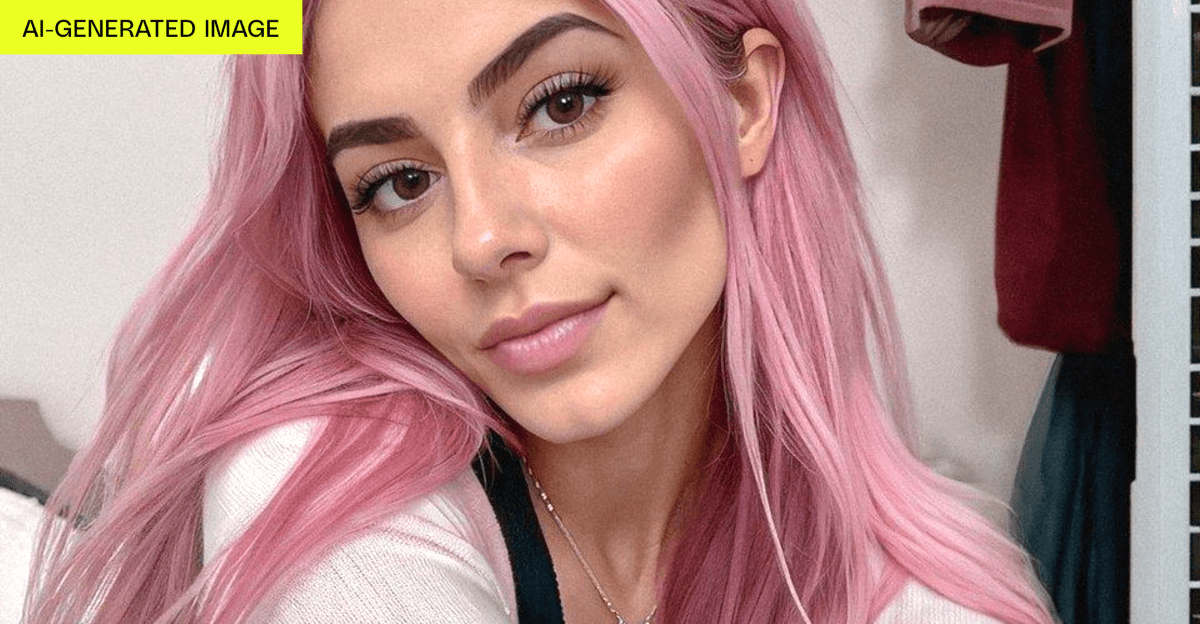
Sign up free →Early virtual influencers like Lil Miquela and Shudu Gram were visibly artificial; newer AI creators like Emily Pellegrini and Aitana Lopez now blend in with typical professional influencer content, produced by creative agencies and individuals using mainstream tools from companies like Google, OpenAI, HeyGen, and ElevenLabs.
Still images of fake people can pass as genuine at a glance in feeds filled with filters and editing; video and audio are quickly catching up with technology that can add convincing voices and movements, and the tools are no longer niche or expensive.
Social media platforms have policies requiring labels for AI-generated content but treat AI influencers as gray-area accounts that don't neatly fit into existing rules for scams, spam, impersonation, or graphic material—leaving platforms promoting both AI as a creative tool and trying to stop 'slop' from overwhelming services.
Market research firms estimate the virtual influencer market could be worth more than $60 billion by 2030, up from around $12 billion this year, driven by AI influencer awards, talent agencies, and a market of creators selling courses and tools.
AI-summarized, only the topics you pick — one digest a day via Email, Slack, or Discord.
Free · takes 30 seconds · unsubscribe anytime
No discussion yet for this article
Get curated AI news from 200+ sources delivered daily to your inbox. Free to use.
Get Started FreeFree · takes 30 seconds · unsubscribe anytime
