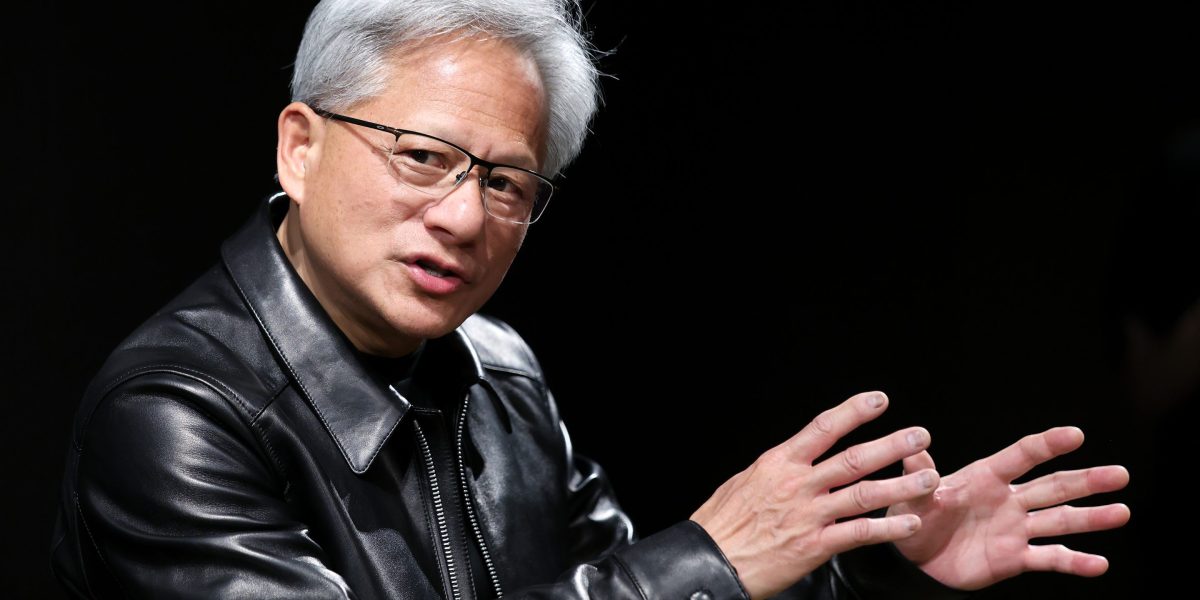
Economists raised their third-quarter GDP growth forecast to 2.5%, up from 2%, citing AI investment and high-income spending.
Total AI capital spending may exceed $1 trillion this year and $1.5 trillion in 2027.
The Federal Reserve is expected to hold rates steady through July next year as inflation moderates.
What happened
Economists raised their forecast for third-quarter GDP growth to 2.5% annualized, up from 2% in the prior survey, citing upward revisions to consumer spending and private investment in artificial intelligence. The Bloomberg monthly survey of economists, conducted Aug. 14–19, also projects quarterly GDP growth through end of 2027 will stay in a narrow 2%–2.2% range.
Why it matters
AI-related capital spending is now the main driver of business investment. According to Bloomberg Industry analysts, total capital expenditures on artificial intelligence may exceed $1 trillion this year and $1.5 trillion in 2027. High-income household spending is fueling most of the consumer growth that boosted the Q3 forecast, showing the economy's dependence on concentrated demand rather than broad-based hiring.
What to watch
The Federal Reserve is expected to hold interest rates unchanged through July of next year, as core PCE inflation (the Fed's preferred price metric) is moderating. Economists trimmed monthly payroll growth estimates to 66,000 a month this year and project similar growth in 2027—substantially lower than historical norms, signaling weak labor demand despite the growth revision.
Ask the AI about this article →
The revision upward in third-quarter growth reflects a consensus among economists that artificial intelligence investment is sustaining the expansion despite weak hiring prospects. The body's data shows a split economy: AI-related capital spending and affluent consumer demand are lifting near-term growth, while broader employment is slowing to 66,000 jobs per month on average. This concentration of growth drivers—expensive infrastructure projects and high-income consumption—contrasts with the narrow 2%–2.2% range for long-term GDP forecasts through 2027, suggesting economists see the AI boost as a temporary lift rather than a fundamental acceleration. The moderation in core PCE inflation and expectations that Fed Chair Kevin Warsh will hold rates steady through mid-2027 reflect confidence that price pressures are easing, but the body also notes that geopolitical risk (an escalation in the Iran war) could disrupt this outlook by pushing oil and consumer prices higher.
For example, today's edition would include:
AI-summarized, only the topics you pick — one digest a day via Email, Slack, or Discord.
Free · takes 30 seconds · unsubscribe anytimeWhat is AIToday? →
Ask AI anything about this article. Q&As are published on this page for other readers too.
Visko raised $10 million in pre-seed funding from Llama Ventures and opened public access to its first foundat…

U.S. markets ended August higher, with the S&P 500 up 2.6% and the Nasdaq up 3.9%
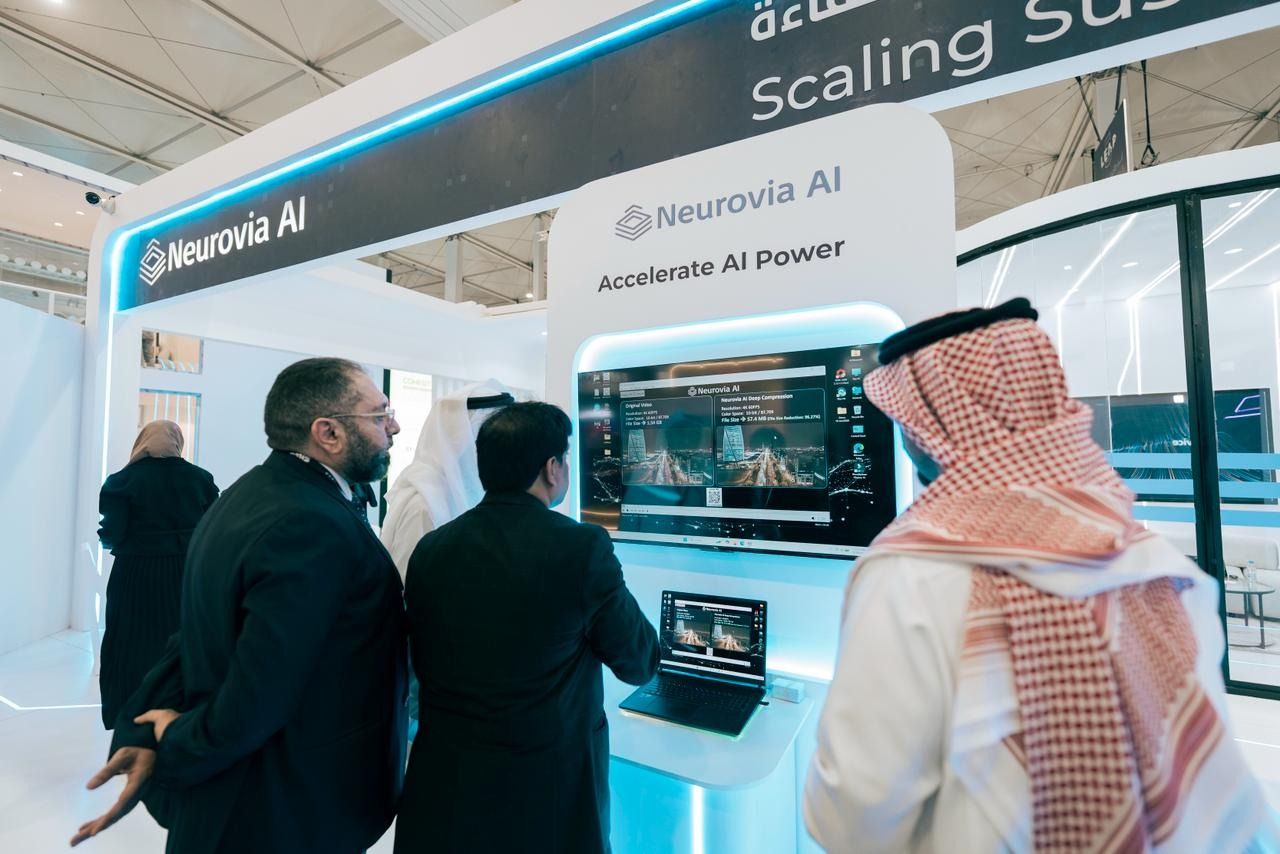
Neurovia AI, an Abu Dhabi-based company, is pitching Saudi security agencies software that it says can compres…
AI company Runway has unveiled Solaris, the first model in a new category it calls "Interface World Models." I…

John Deere introduced JD, a conversational AI tool that lets farmers ask open-ended questions about their hist…

Nvidia CEO Jensen Huang said on Fox Business that AI is creating 'hundreds of thousands' of jobs, including in…