
What happened
Apple has filed a lawsuit against OpenAI. The complaint is described as readable and intense, though many experts believe the allegations reflect standard industry practices.
Why it matters
The suit comes as Apple ships public betas of new software featuring an upgraded Siri AI, positioning Apple as a direct competitor to OpenAI in the AI space. The timing suggests Apple may be leveraging OpenAI's current vulnerabilities rather than responding solely to new competitive threats.
What to watch
Apple has a history of high-profile litigation; the outcome of this case will clarify whether the company views OpenAI as a genuine threat or is using litigation strategically during a weak moment for its rival.
Summaries like this, in your inbox every morning.
Apple's decision to sue OpenAI arrives at a strategic inflection point. The company is simultaneously shipping public betas of new software that prominently features an upgraded Siri AI—Apple's own answer to the conversational AI market OpenAI dominates. This timing raises a question about Apple's true motivation: is the company pursuing genuine competitive concerns, or is it using litigation as a tactical tool to gain leverage while OpenAI faces broader market headwinds?
The lawsuit's public prominence reflects Apple's established pattern of splashy litigation, a tactic the company has deployed repeatedly over its history. However, expert reaction suggests the legal claims may not break significant new ground—many allege that the practices at issue reflect how business is typically conducted in the sector. This gap between the complaint's intensity and expert skepticism implies Apple's real objective may extend beyond the courtroom to include competitive signaling and public relations positioning as it launches its own AI initiatives.
Pick your industry and the AI tools you use, and get news related to your work every day.
Free · 30 seconds with Google · unsubscribe anytimeWhat is AIToday? →
Ask AI anything about this article. The AI reads this article, earlier AIToday articles, and Wikipedia, and cites its sources. Q&As are published on this page for other readers too.
Chunghwa Telecom president Rong-shy Lin said the shift from conversational AI to autonomous AI agents is resha…
CoreWeave fell 5% in premarket trading Friday and was on track to finish the week down 15%, after rebounding f…
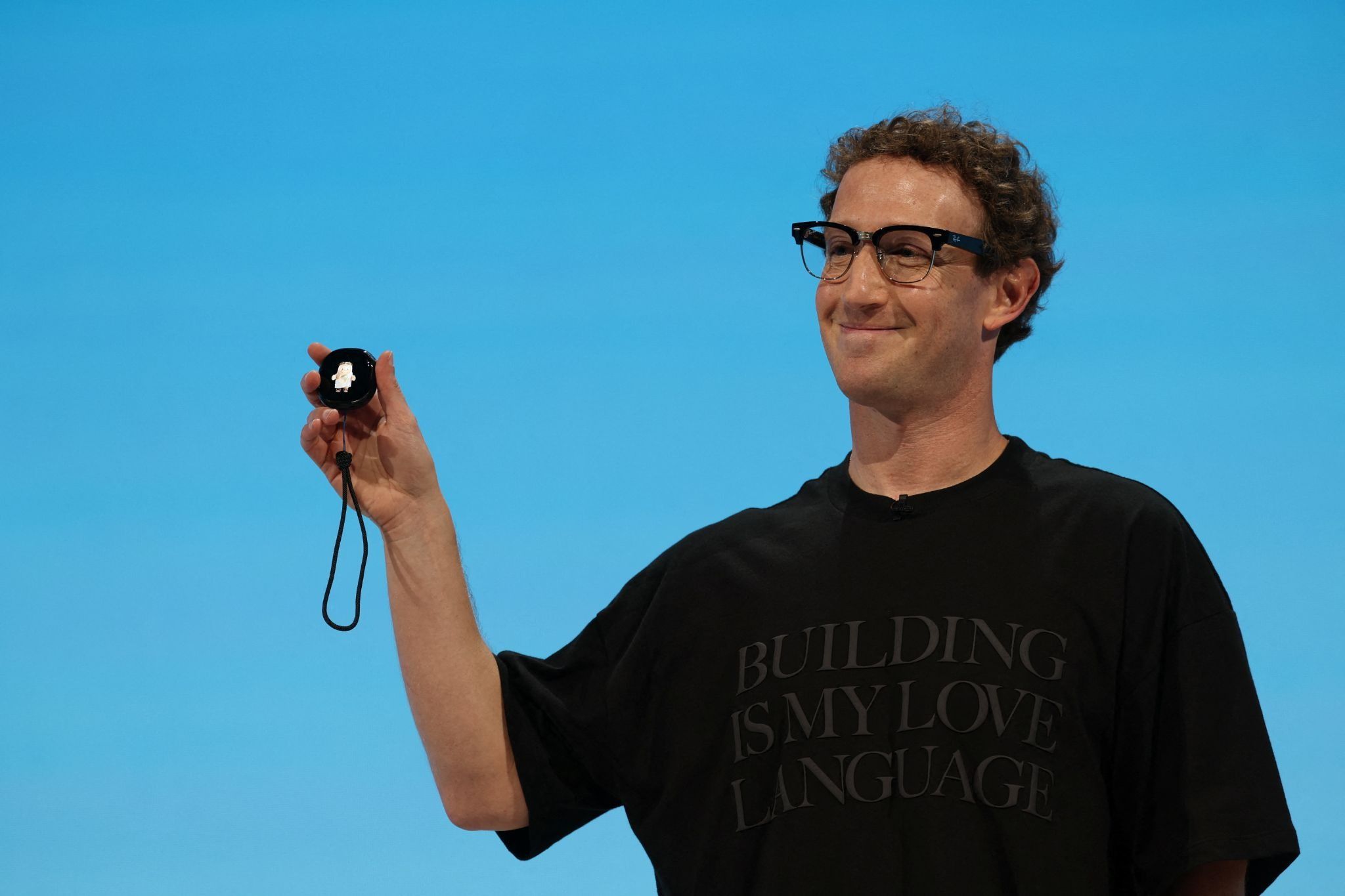
Apple and Meta said they would jointly release a new open-weight AI model designed to run on high-end Macs, ai…
Investors put $38.5 billion into Asian startups in Q3, per Crunchbase data

A writer and entrepreneur opened his daily to-do list and found 156 items, and concluded that an AI assistant…

A longtime Anthropic investor told Fortune he expects shares priced around $1.8 trillion, below the company's…