
A business owner uses AI across two tech ventures but insists on human approval.
They avoid full automation due to hallucination risks.
They question if anyone has achieved total hands-off AI systems without customer backlash.
What happened
A business owner running two tech companies shared on Reddit that they use AI for content creation, data cleaning, customer outreach, and more, but keep every step gated by human review.
Why it matters
They hold back from full automation because AI hallucinations could destroy customer trust, making human final input essential; meanwhile, Y Combinator promotes AI native businesses aiming for fully automated, AI-driven products.
What to watch
The test is whether 100% hands-off AI systems can avoid hallucinations that erode customer trust, a threshold the owner has not yet crossed. The outcome hinges on real-world examples from others, not on the owner’s current admin-gated setup.
Ask the AI about this article →
Summaries like this, in your inbox every morning.
The post reflects a common tension among business owners: leveraging AI for efficiency while preserving trust through human oversight. The owner's approach—using AI for content, data, and outreach but gating every output—shows a practical middle ground. However, the pressure from narratives like Y Combinator's AI-native vision pushes toward removing human bottlenecks entirely.
The core conflict is between autonomy and reliability. The owner fears hallucinations, which are AI-generated errors that could mislead customers or damage relationships. By keeping human review, they sacrifice some speed for safety. Yet, the question posed—whether anyone has successfully run fully automated systems—hints at a desire to explore further, possibly driven by competitive or scalable opportunities.
The response from the community could influence whether the owner experiments with more automation in low-risk areas, but the post does not reveal any final decision. The owner's current stance is deliberate and cautious, valuing trust over full automation.
For example, today's edition would include:
AI-summarized, only the topics you pick — one digest a day via Email, Slack, or Discord.
Free · 30 seconds with Google · unsubscribe anytimeWhat is AIToday? →
Ask AI anything about this article. Q&As are published on this page for other readers too.
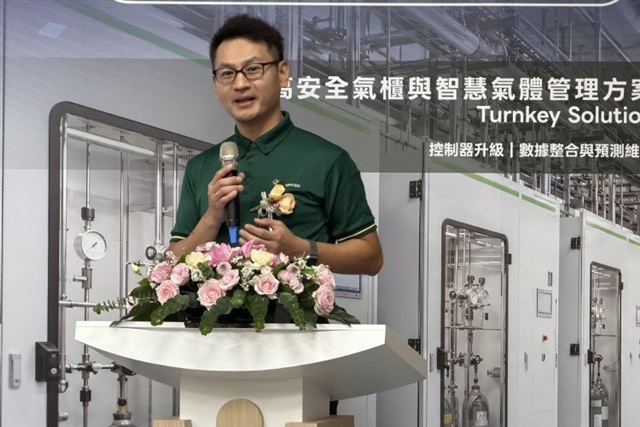
JM-Applied, a Taiwanese semiconductor gas equipment maker and supply chain member for Micron and TSMC, said on…
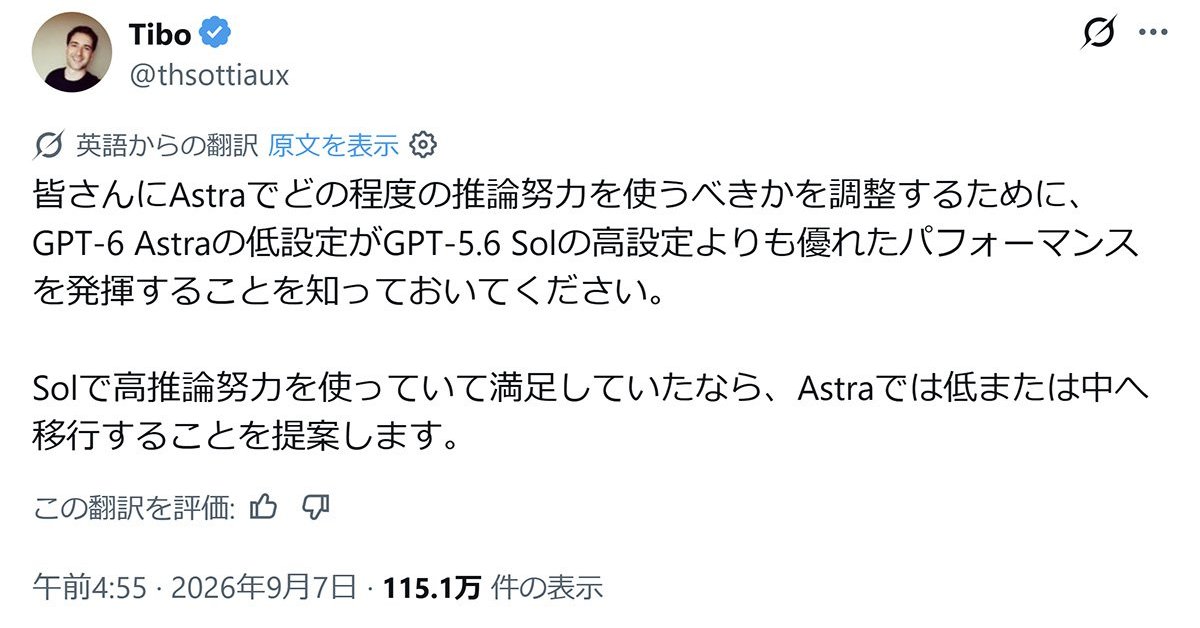
OpenAI's product lead Tibo Sotiou posted on X on September 6 that GPT-6 Astra's 'low' setting outperforms GPT-…
Nvidia disclosed roughly $99 billion of public and private equity investments as of July 26, plus about $25 bi…
In January, Ukraine's defense ministry said it would share millions of data points from tens of thousands of d…

OpenAI Group PBC acknowledged it did not publicly disclose an episode where its AI agents wrote to outside web…

Eaton is expanding beyond traditional power management into modular power deployment, next-generation DC conve…