What happened
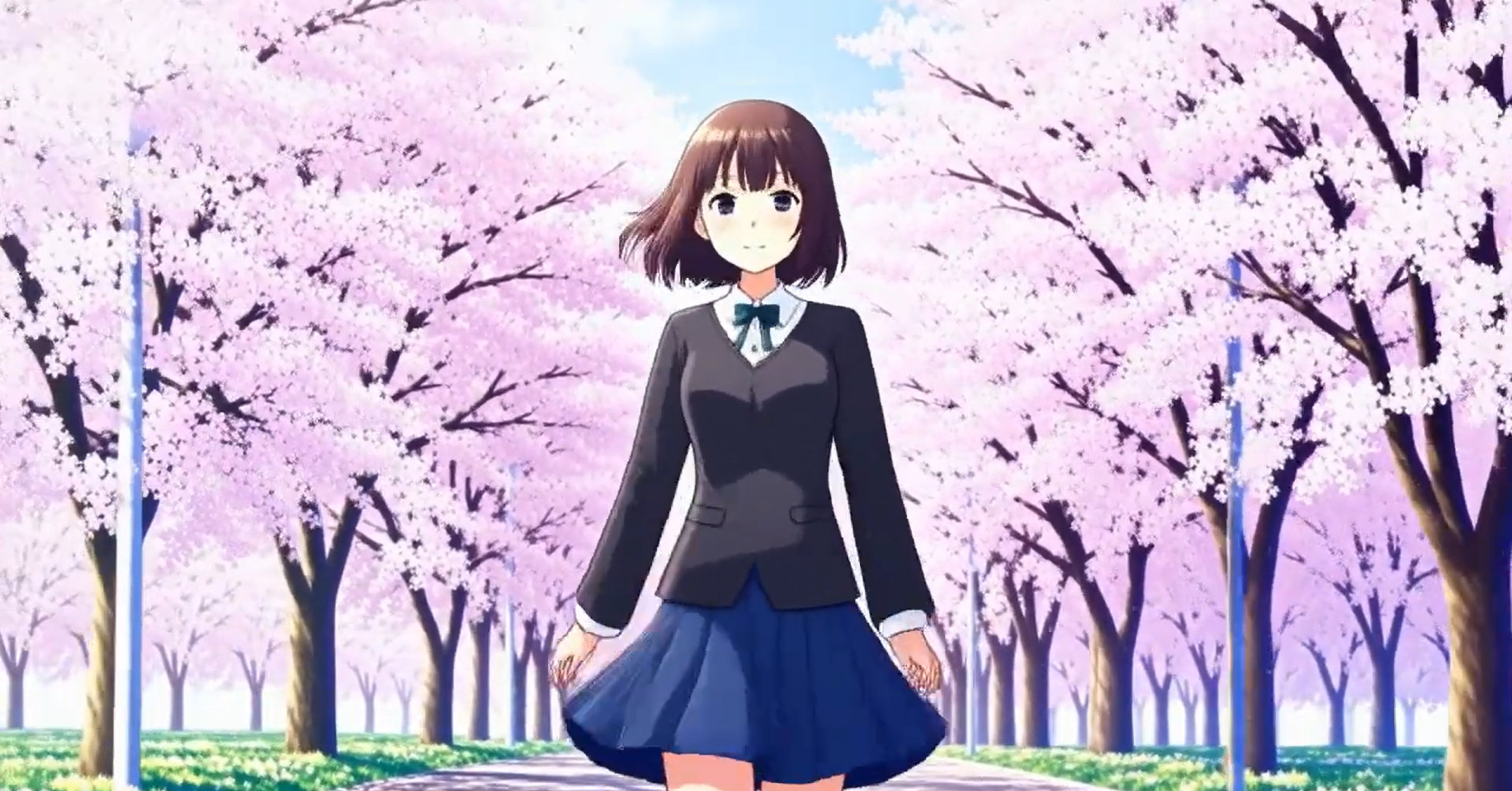
AIdeaLab, a Japanese AI developer, released AnimeGen on July 13—a video-generation AI model specialized for anime. The company published two types: text-to-video and image-to-video models under the Apache-2.0 license, which permits commercial use. Both models are available for free download from Hugging Face, with demo videos showing anime-style footage.
Why it matters
AnimeGen was developed under Japan's GENIAC government AI project and is based on Alibaba's open video-generation model Wan 2.2, fine-tuned for anime aesthetics. AIdeaLab says Japan lags behind overseas competitors in anime-specialized AI development; releasing and improving AnimeGen domestically aims to support anime production studios and tackle labor shortages and long working hours in the industry.
What to watch
The model was announced as a beta version in October 2025 and is now formally released. AIdeaLab trained the model on data collected and used in compliance with Japanese copyright law, and emphasizes this is Japan's first such public release by a domestic company.
Summaries like this, in your inbox every morning.
AIdeaLab's release of AnimeGen follows a beta launch in October 2025 and represents a watershed moment for anime-focused AI tooling in Japan. The model was developed under GENIAC, an AI development project overseen by Japan's Ministry of Economy, Trade and Industry, signaling government backing for domestically-grown AI capabilities in content creation. By basing AnimeGen on Alibaba's Wan 2.2 and then specializing it for anime aesthetics, AIdeaLab has built a localized solution that avoids dependency on foreign tools while respecting Japanese copyright law in its training data collection.
The broader context is AIdeaLab's diagnosis that Japan's anime AI development lags global peers. The company explicitly positions AnimeGen as a remedy: by open-sourcing the model under a permissive license and making it free, they aim to seed adoption across Japan's anime production industry—a sector plagued by structural labor shortages and overtime. If studios integrate AnimeGen into their workflows (for motion generation, storyboarding, or inbetweening), the efficiency gains could ease working conditions while keeping production capacity domestic. This strategy also mirrors global trends in AI democratization, where foundational open models attract downstream development and customization from practitioners.
Pick your industry and the AI tools you use, and get news related to your work every day.
Free · 30 seconds with Google · unsubscribe anytimeWhat is AIToday? →
Ask AI anything about this article. The AI reads this article, earlier AIToday articles, and Wikipedia, and cites its sources. Q&As are published on this page for other readers too.

