What happened
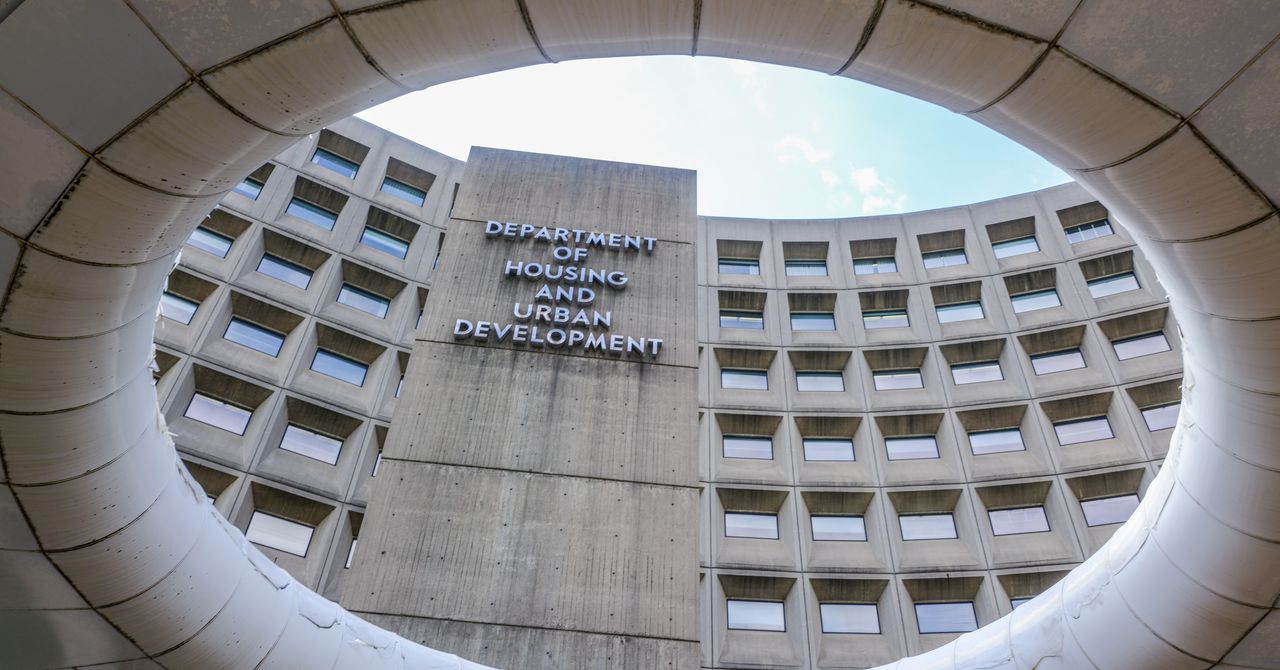
Members of the Department of Government Efficiency (DOGE) working at the Department of Housing and Urban Development (HUD) used artificial intelligence to inform policy decisions, including identifying agency rules for potential rescission. When a nonprofit legal organization requested documents about this AI use through the Freedom of Information Act, HUD withheld more than 100 documents, citing reasons including a nonexistent "AI privilege" and presidential communications privilege.
Why it matters
AI tools are known to hallucinate, show bias, or produce incorrect results, yet there are currently no US laws requiring the government to disclose if AI has been used in creating rules, policies, or regulations. The lack of transparency about how AI informed specific policy decisions makes it difficult for the public to assess whether those decisions were sound or whether harmful uses occurred.
What to watch
HUD cited exemptions such as "deliberative AI input" and "draft of AI prompt" to withhold records—classifications legal experts say do not exist under the Freedom of Information Act. Documents belonging to Scott Langmack, now executive director of deregulation AI at the Office of Management and Budget, included files titled "GPT defined Econ Analysis approach 11 10 25.docx" and "RegulatoryAnalysisPrompt.pdf," suggesting the DOGE team was creating prompts to conduct regulatory analysis.
Summaries like this, in your inbox every morning.
The DOGE initiative at HUD represents an early example of artificial intelligence being deployed directly into federal policymaking. Christopher Sweet, a recent economics graduate from the University of Chicago, led efforts to use AI to flag regulations for potential rescission, while Scott Langmack, from a property technology startup, brought similar technical expertise. Both have since moved to higher positions in the executive branch—Langmack is now the executive director of deregulation AI at the Office of Management and Budget—suggesting that the use of AI in government policy is expanding beyond HUD.
The agency's refusal to release detailed records about how AI informed specific decisions creates a transparency gap at a critical moment. Legal experts and nonprofit organizations argue that because AI systems demonstrably hallucinate, exhibit bias, and produce errors, the public needs visibility into how these tools shaped policy outcomes that affect millions of people. The government's citation of exemptions that do not exist under the Freedom of Information Act—such as "deliberative AI input"—suggests either confusion about how existing privileges apply to AI-assisted work or an attempt to shield the AI use from scrutiny. Mark Fagan, a lecturer at the Harvard Kennedy School, acknowledges that some deliberative AI use (such as exploring how other agencies handled similar problems) may not warrant full disclosure, but he also argues that indicating when AI was used in policy assessment would be good protocol at this stage of government AI adoption to build public confidence.
Pick your industry and the AI tools you use, and get news related to your work every day.
Free · 30 seconds with Google · unsubscribe anytimeWhat is AIToday? →
Ask AI anything about this article. The AI reads this article, earlier AIToday articles, and Wikipedia, and cites its sources. Q&As are published on this page for other readers too.

