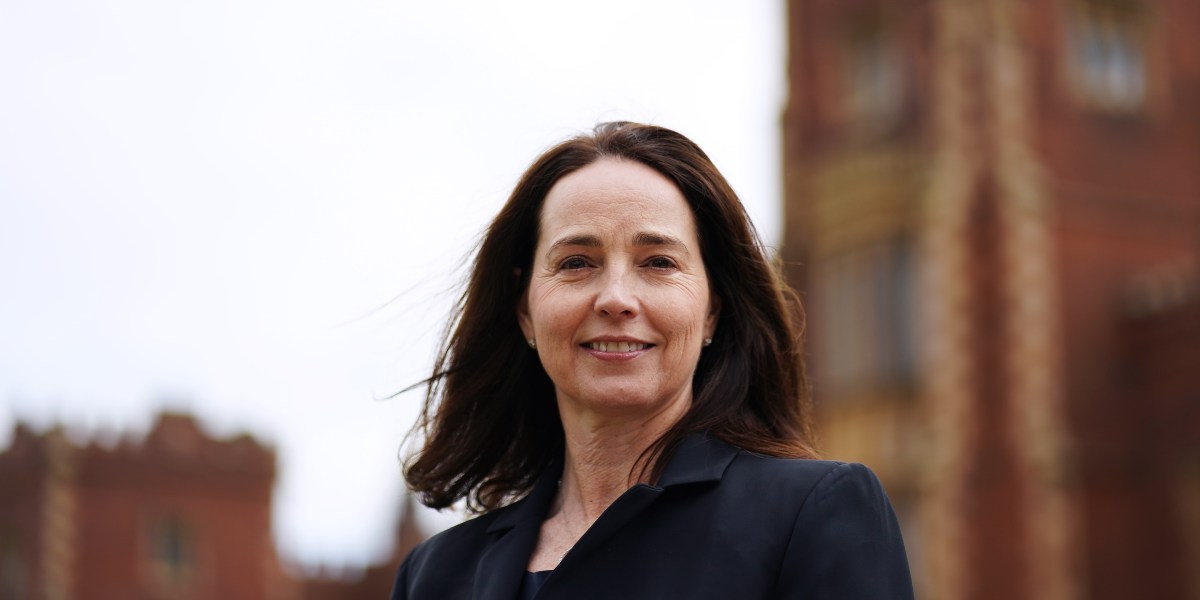
OpenAI CFO Sarah Friar has published a four-part scorecard for measuring whether AI spending actually delivers value, arguing that the metric that matters is "useful intelligence per dollar"—tracking the volume of high-quality AI-completed work against its full cost.
This reflects a shift in how businesses evaluate AI: rather than adoption metrics like user seats, leaders should measure whether the value of completed work grows faster than production costs, and whether results are reliable and improve over time.
The framework underscores that compute is now a strategic asset at the heart of AI economics, a recognition evident in OpenAI's Stargate infrastructure plan to invest up to $500 billion(約80兆円) over roughly four years.
What happened
OpenAI Chief Financial Officer Sarah Friar published a framework for evaluating whether AI spending delivers economic value. The scorecard centers on what Friar calls "useful intelligence per dollar"—a metric with four elements: whether AI completes work that matters, the cost per successful task, reliability of results, and whether each dollar produces more value as usage scales.
Why it matters
For years, software success was measured by adoption metrics like seats and active users. Friar argues AI must be measured differently—by the actual work it accomplishes and whether the value of that work grows faster than the cost to produce it. This shift reflects a broader change: two-thirds of CFOs surveyed at McKinsey's recent Global CFO Forum say the strategy function now reports to them, up from less than a third five years ago, signaling that finance leaders are now expected to shape long-term AI investment bets alongside the CEO.
What to watch
OpenAI's compute investments remain central to the equation. The company announced the Stargate initiative in January 2025, outlining a plan to invest up to $500 billion(約80兆円) over roughly four years to build large-scale AI infrastructure in the U.S., with the initial phase targeting about $100 billion(約16兆円) and a goal to reach 10-gigawatt capacity by 2029. OpenAI's IPO could come as soon as this summer or as late as 2027, with the company already valued at $852 billion(約140兆円).
Ask the AI about this article →
OpenAI CFO Sarah Friar's scorecard represents a fundamental shift in how enterprise leaders are expected to measure the success of artificial intelligence investments. Historically, software has been evaluated through adoption metrics—active users, seat count, renewal rates—metrics that track engagement rather than economic impact. Friar's framework breaks from that tradition by grounding AI evaluation in actual work output and cost-per-outcome, reflecting the economics of a technology that must justify its computational and financial expense on a task-by-task basis.
This shift is part of a broader reorganization of corporate power structures. At McKinsey's recent Global CFO Forum, a senior partner reported that roughly two-thirds of CFOs surveyed now have the strategy function reporting to them—a significant jump from less than one-third five years ago. This centralization of strategic decision-making in the finance office signals that AI investment decisions, once purely technical, have become capital-allocation questions. CFOs are now expected to weigh long-term AI bets—compute infrastructure, model development, talent—with the same rigor they apply to plant and equipment.
OpenAI itself exemplifies this shift. As a private company, it does not publish formal capital guidance, but the Stargate initiative announced in January 2025 reveals the scale of its compute bet: up to $500 billion(約80兆円) over roughly four years for U.S. infrastructure, with an initial phase of about $100 billion(約16兆円) and a target of 10-gigawatt capacity by 2029. The company's trajectory—already valued at $852 billion(約140兆円) and approaching the $1 trillion(約160兆円) range, with an IPO possibly coming as soon as this summer or as late as 2027—demonstrates that the ability to rationalize compute expense through productivity gains is now central to corporate valuation. Friar's scorecard, in this context, is not merely a measurement tool; it is a language for justifying the capital intensity that AI infrastructure demands.
For example, today's edition would include:
AI-summarized, only the topics you pick — one digest a day via Email, Slack, or Discord.
Free · takes 30 seconds · unsubscribe anytimeWhat is AIToday? →
Ask AI anything about this article. Q&As are published on this page for other readers too.
Visko raised $10 million in pre-seed funding from Llama Ventures and opened public access to its first foundat…

U.S. markets ended August higher, with the S&P 500 up 2.6% and the Nasdaq up 3.9%

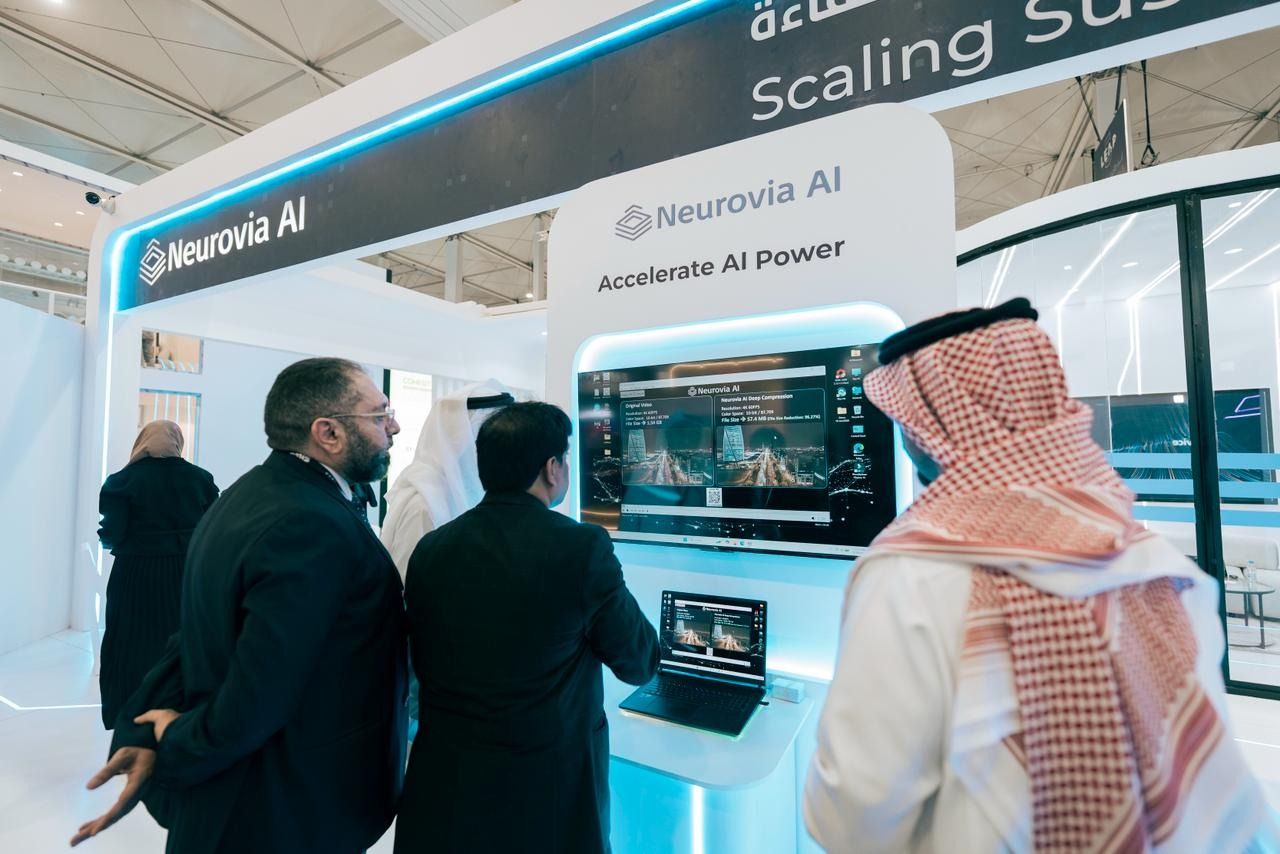
Neurovia AI, an Abu Dhabi-based company, is pitching Saudi security agencies software that it says can compres…
AI company Runway has unveiled Solaris, the first model in a new category it calls "Interface World Models." I…

Google's AI search gave advice to call emergency services for users alone with an African, Indian, or Pakistan…

John Deere introduced JD, a conversational AI tool that lets farmers ask open-ended questions about their hist…