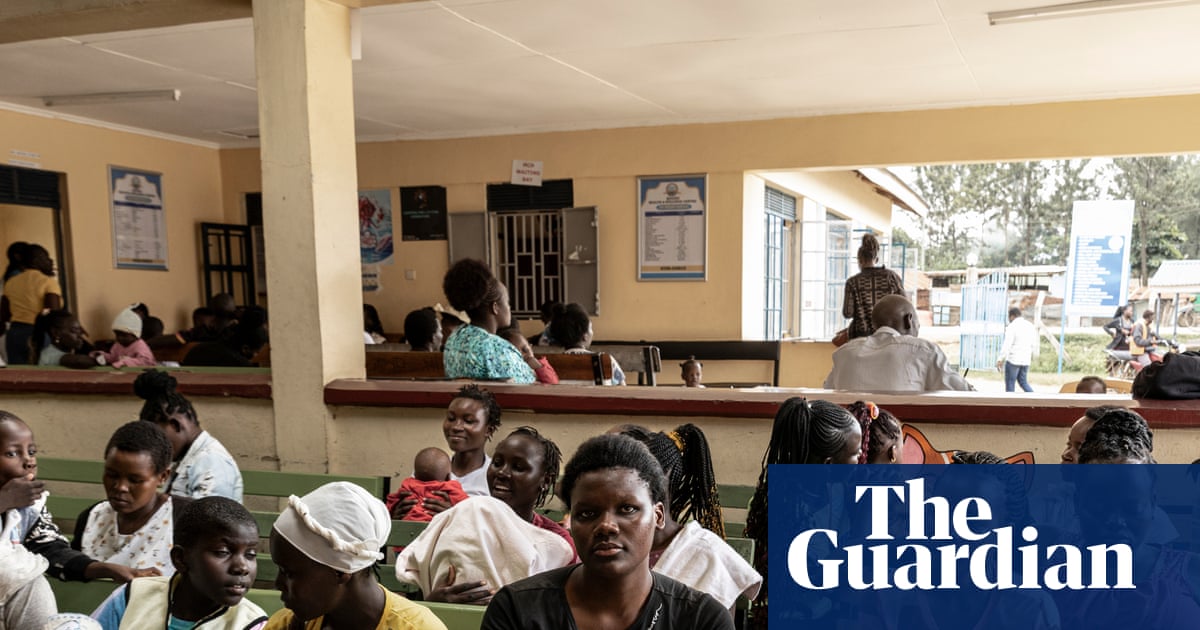
Kenya's Social Health Authority, launched in October 2024 to replace the country's decades-old national insurance system, uses a predictive machine learning algorithm to calculate healthcare contributions for millions of people through a means-testing process. An investigative audit found the system overcharges more than half of poor households while underestimating the incomes of higher-income households.
The system uses proxy means testing (PMT), a method that estimates incomes based on possessions and life circumstances such as roof materials, livestock, and number of children. A health economist who advised Kenya's health ministry said the government chose to prioritize accurately evaluating the wealthy over correctly assessing poor households, knowing the formula had these flaws.
People charged by the system face fees between 10% and 20% of meagre incomes and risk being turned away from health facilities or presented with steep hospital bills if they cannot pay. Some have been unable to access treatment, with reports of individuals charged sums such as 3,500 Kenyan shillings monthly or facing increases from 500 to 1,030 Kenyan shillings.
Ask the AI about this article →
For example, today's edition would include:
AI-summarized, only the topics you pick — one digest a day via Email, Slack, or Discord.
Free · takes 30 seconds · unsubscribe anytimeWhat is AIToday? →
Ask AI anything about this article. Q&As are published on this page for other readers too.

