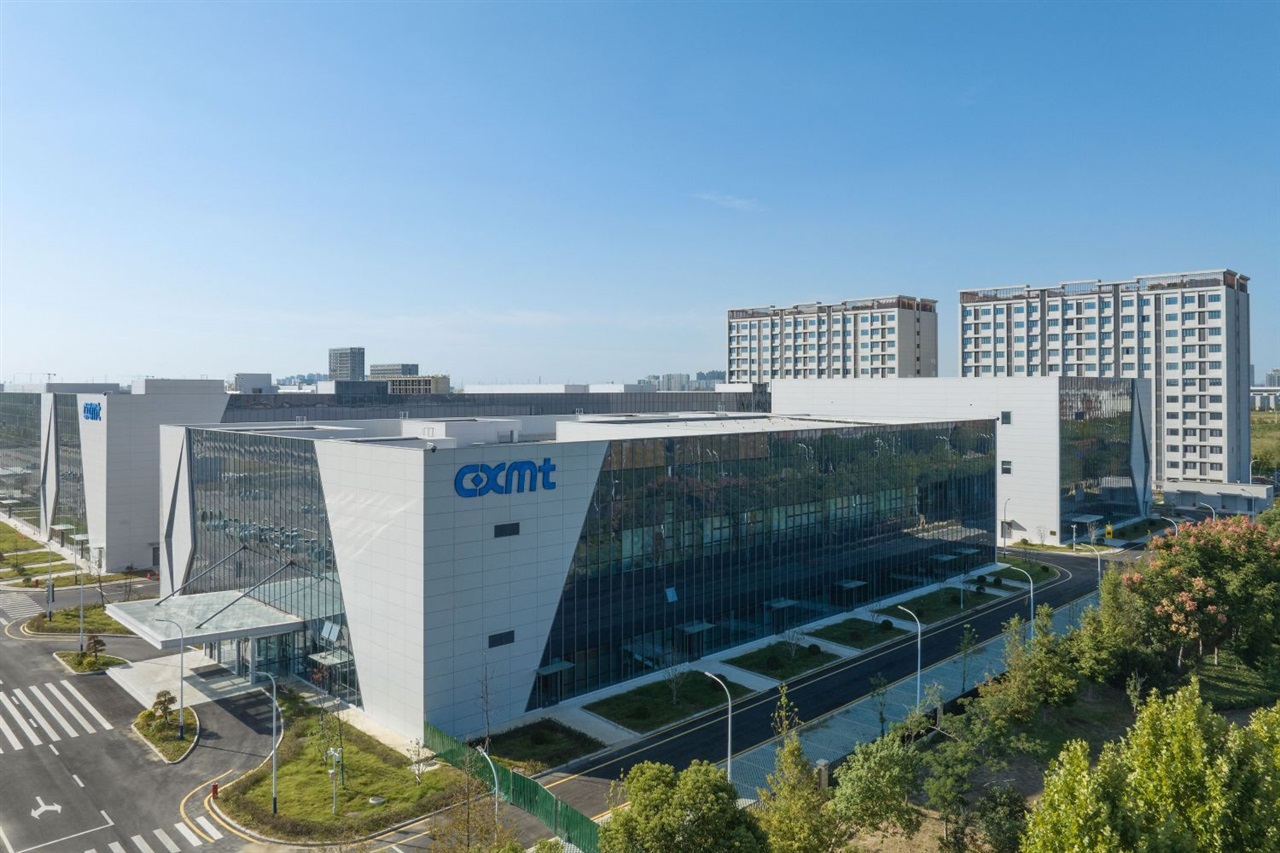
CXMT, a Chinese memory chipmaker, raised $8.5 billion(約1.4兆円) in a Shanghai IPO, a signal of China's accelerating effort to build domestic capacity in advanced DRAM and HBM chips. The listing reflects how US export controls on semiconductor technology are driving China to invest heavily in domestic alternatives, reshaping competition in global memory markets.
Summaries like this, in your inbox every morning.
Sign up free →What happened
CXMT (a Chinese memory chipmaker) completed a Shanghai IPO that raised $8.5 billion(約1.4兆円), marking a major capital influx to support China's development of advanced DRAM and HBM (high-bandwidth memory) chips.
Why it matters
The listing underscores China's determination to reduce dependence on foreign memory suppliers and signals how US export controls are reshaping the semiconductor industry's technology roadmap, with implications for global memory market competition.
What to watch
CXMT's ability to deploy the IPO capital toward closing the technology gap with global leaders in advanced DRAM and HBM manufacturing, and how the listing affects the competitive dynamics of global memory markets.
CXMT completed its Shanghai IPO, raising $8.5 billion(約1.4兆円) to accelerate China's push into advanced memory chip manufacturing. The listing is notable not only for its scale but also for what it represents: a concentrated capital injection aimed at closing the technology gap in DRAM and HBM, two critical segments where China has historically lagged behind established players.
The IPO's significance extends beyond CXMT itself. It reflects how US export controls on semiconductor technology—designed to restrict China's access to advanced chip-making equipment and design tools—are catalyzing domestic investment and alternative technology pathways. Rather than passively waiting for US policy shifts, China is mobilizing capital to fund internal development, effectively accepting that self-reliance in semiconductors is a strategic necessity.
For global memory market leaders, the IPO signals an escalating competitive challenge. CXMT will use the capital to scale production and narrow the technology gap, particularly in segments serving data centers and AI applications where HBM demand is surging. The listing also demonstrates investor confidence in China's long-term commitment to semiconductor independence, likely attracting further capital to the sector. As CXMT executes on its roadmap, the global memory market's competitive structure—long characterized by a handful of dominant suppliers—faces structural change.
CXMT's Shanghai IPO represents a watershed moment for China's semiconductor self-sufficiency strategy, particularly in memory chips—a segment historically dominated by Samsung, SK Hynix, and Micron. The $8.5 billion(約1.4兆円) capital raise provides the company with substantial resources to advance into higher-margin, technologically demanding segments such as advanced DRAM and HBM, which are critical for AI and data-center applications.
The timing and scale of the listing reflect the urgency China perceives in addressing supply-chain vulnerabilities exposed by US export controls. Rather than wait for gradual organic growth, CXMT is now positioned to accelerate technology development and manufacturing capacity, signaling to both domestic stakeholders and global competitors that China intends to reshape the memory market landscape. For global leaders accustomed to near-monopoly positions in premium segments, the IPO underscores a structural shift in competitive pressure.
AI-summarized, only the topics you pick — one digest a day via Email, Slack, or Discord.
Free · takes 30 seconds · unsubscribe anytime
No discussion yet for this article
Get curated AI news from 200+ sources delivered daily to your inbox. Free to use.
Get Started FreeFree · takes 30 seconds · unsubscribe anytime
1 minute a day. The AI essentials.
200+ sources · Email / LINE / Slack
