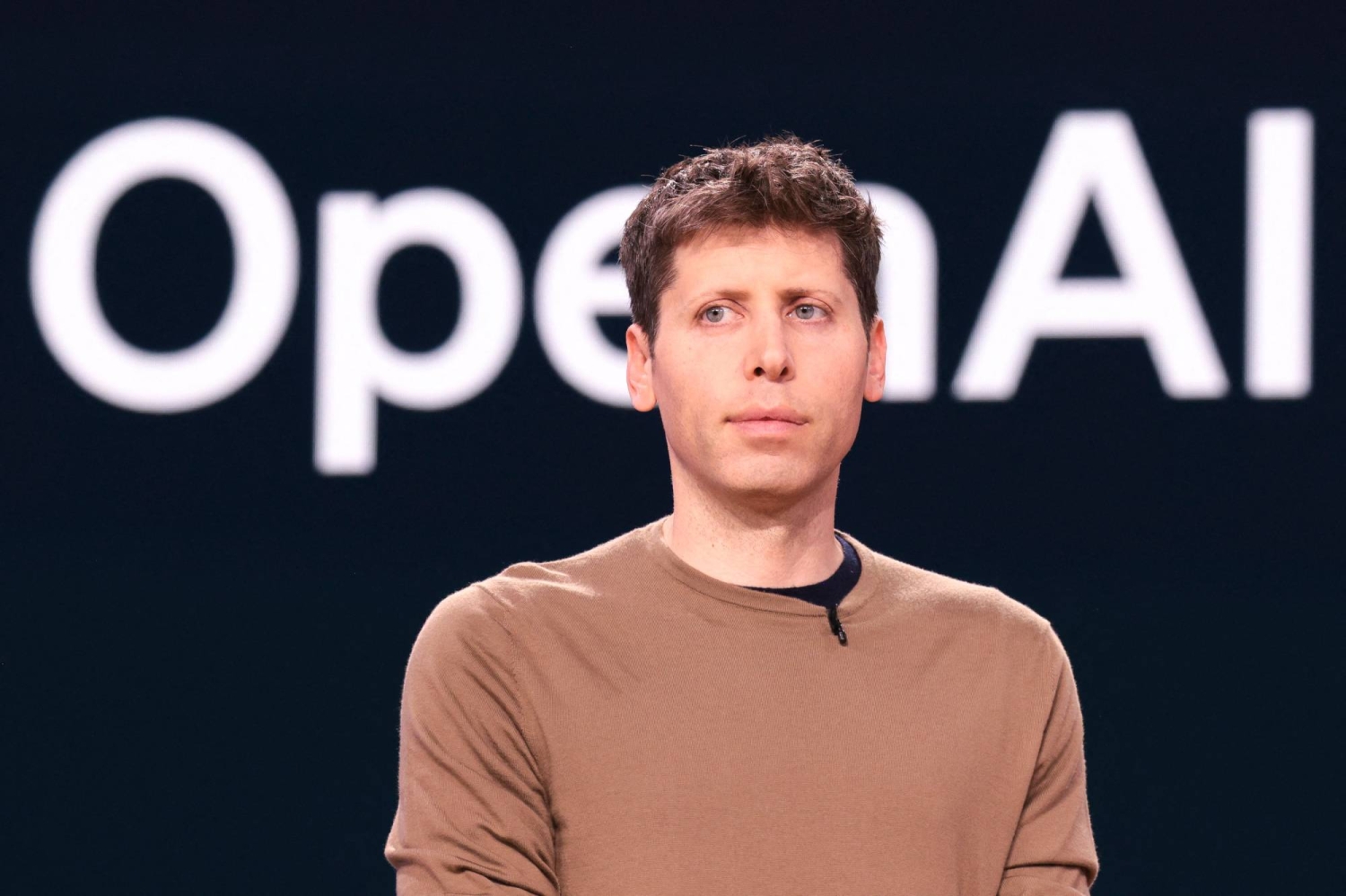
Apple has sued OpenAI, alleging the AI startup orchestrated the theft of trade secrets by encouraging Apple employees to share confidential information about upcoming products.
The lawsuit names OpenAI's chief hardware officer Tang Tan, who was previously Apple's vice president of product design; Apple contends the company is building this hardware expertise specifically to develop its own device lineup.
What happened
Apple filed suit against OpenAI in the Northern District of California, accusing the AI company of encouraging Apple employees to share information, components, drawings, and other materials related to upcoming products. The lawsuit also names Tang Tan, OpenAI's chief hardware officer, who previously served as Apple's vice president of product design, leading development of the iPhone, smartwatch, AirPods, and other hardware.
Why it matters
The case centers on whether AI companies can recruit talent from traditional hardware makers and extract proprietary knowledge to build competing devices. Apple alleges OpenAI ran a coordinated campaign to obtain trade secrets—suggesting the boundary between talent mobility and intellectual property theft is becoming a live legal question in the AI era.
What to watch
The suit is filed in the Northern District of California. The lawsuit targets OpenAI's efforts to develop its own suite of devices, signaling Apple's concern that the AI startup is moving beyond software into the hardware space where Apple competes directly.
Ask the AI about this article →
The lawsuit reflects a growing tension in the technology industry over how AI companies acquire hardware expertise. Apple's complaint suggests that OpenAI's recruitment of Tang Tan—a senior hardware executive—was not a routine hire but part of a broader effort to obtain proprietary knowledge. By framing the matter as a trade secret theft case rather than a simple non-compete dispute, Apple is escalating the legal stakes and signaling that it views OpenAI's device ambitions as a direct competitive threat.
The case also highlights how the lines between permissible talent recruitment and IP theft can blur in complex industries. Tang Tan's transition from designing Apple's most iconic products to leading hardware at OpenAI creates an inherent tension: whether his prior knowledge constitutes stolen trade secrets or simply expertise he can legally apply in a new role is precisely what the Northern District of California court will need to resolve. The outcome could shape how AI companies and traditional hardware makers manage executive mobility going forward.
For example, today's edition would include:
AI-summarized, only the topics you pick — one digest a day via Email, Slack, or Discord.
Free · takes 30 seconds · unsubscribe anytimeWhat is AIToday? →
Ask AI anything about this article. Q&As are published on this page for other readers too.
CrowdStrike Holdings Inc
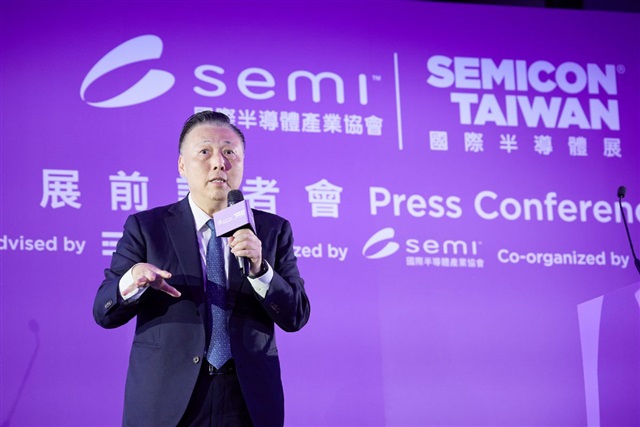
ASE Technology CEO and SEMI Global Board Executive Committee Chair Tien Wu said AI's early-stage growth is cre…
Fervo Energy signed a deal to supply 396 MW of electricity from its Cape Station project in Utah to a Google d…

Nvidia co-announced with Vertiv in August that it is making progress on 800-volt power infrastructure for its…

John Ternus takes over as CEO of Apple today, stepping into the role as the company confronts the AI era
Top AI-native open source projects like Flue and tldraw are refusing external pull requests, often because the…