What happened
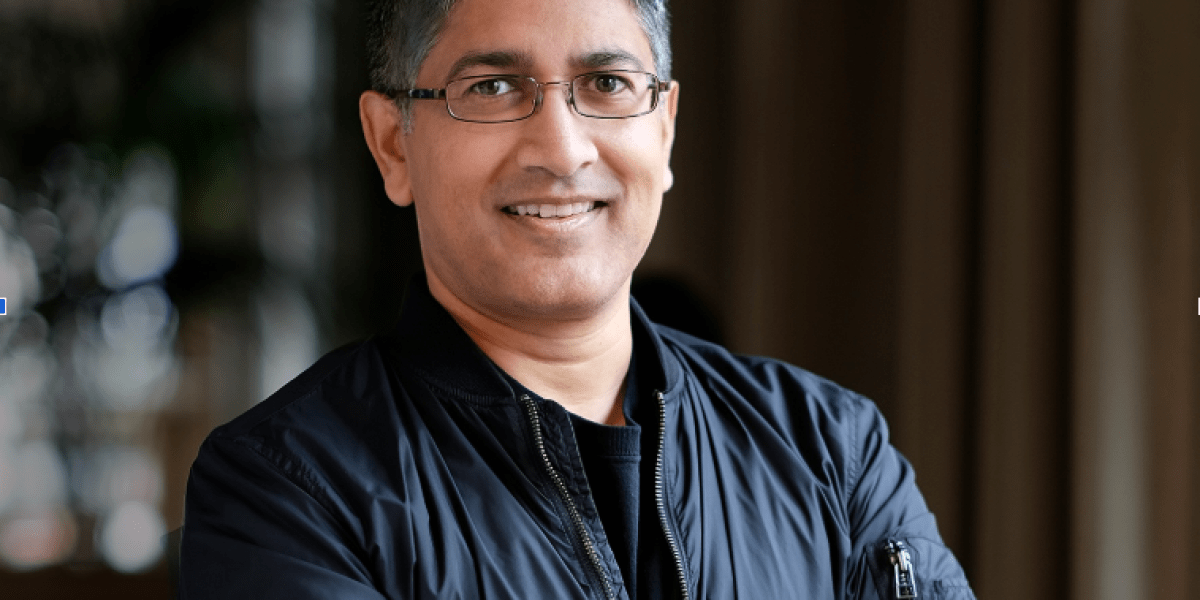
Shuman Ghosemajumder, a former Google executive, has launched Reken, a startup offering small AI models that run directly on a user's device rather than in the cloud. The company raised $10 million(約16億円) in seed funding and is beginning early access to its first product, Northstar, for corporations, government agencies, and universities starting Monday.
Why it matters
Cloud-based security tools expose data to breach risks and introduce processing delays; Reken's on-device approach aims to detect AI-powered phishing, deepfakes, and fraud in real time without sending sensitive communications to external servers. The FBI logged $20.9 billion(約3.3兆円) in reported cybercrime losses in 2025—a 26% jump in a single year—and added AI-related crime as a category for the first time, with more than 22,000 complaints.
What to watch
Reken's longer-term vision is to link individual deployments into a "Reken Network" where organizations and their partners form a widening "protected circle" of verifiable internal communications, similar to Apple's iMessage model. The company is also developing additional products and plans to let third parties build on its Private Core platform.
Summaries like this, in your inbox every morning.
Shuman Ghosemajumder's move into cybersecurity comes as AI-powered fraud and phishing attacks are outpacing traditional defenses. The FBI's 2025 figures—$20.9 billion(約3.3兆円) in reported losses and more than 22,000 AI-related crime complaints—underscore why Ghosemajumder argues that "the internet is getting less safe every day because of AI" and that human-centric security training is obsolete. His central technical bet is that small, proprietary models can match the speed and accuracy of larger cloud-based systems while running on ordinary corporate hardware; he told Fortune that the core R&D challenge was proving models could deliver real-time threat detection on standard laptops without GPUs, a constraint most competitors avoid by offloading to the cloud.
The friction points Reken targets are real. Cloud-based security tools expose communications to data breach risks and introduce latency that Ghosemajumder argues undermines real-time protection. Many cybersecurity vendors also rely on third-party AI models from OpenAI, Anthropic, and Google DeepMind, adding both cost and dependency. By contrast, Reken's approach—which verifies legitimate senders (e.g., banks and retailers) rather than merely flagging AI-generated text—aligns with a growing user skepticism: a 2026 RBC poll found 83% of people now assume any online message is a scam unless proven otherwise.
The longer-term play is the Reken Network, a model Ghosemajumder compares to Apple's iMessage color-coded trust system but claims can extend further into guaranteed in-network trustworthiness. That vision's success hinges on wide adoption among organizations and their supply chains—a classic network-effects bet. Privacy and data aggregation loom as practical challenges; Ghosemajumder says he has wrestled with these questions before (he co-founded an internal Privacy Council at Google) and plans to anonymize threat intelligence, but scaling that approach across a multi-organization network is untested territory.
Pick your industry and the AI tools you use, and get news related to your work every day.
Free · 30 seconds with Google · unsubscribe anytimeWhat is AIToday? →
Ask AI anything about this article. The AI reads this article, earlier AIToday articles, and Wikipedia, and cites its sources. Q&As are published on this page for other readers too.

