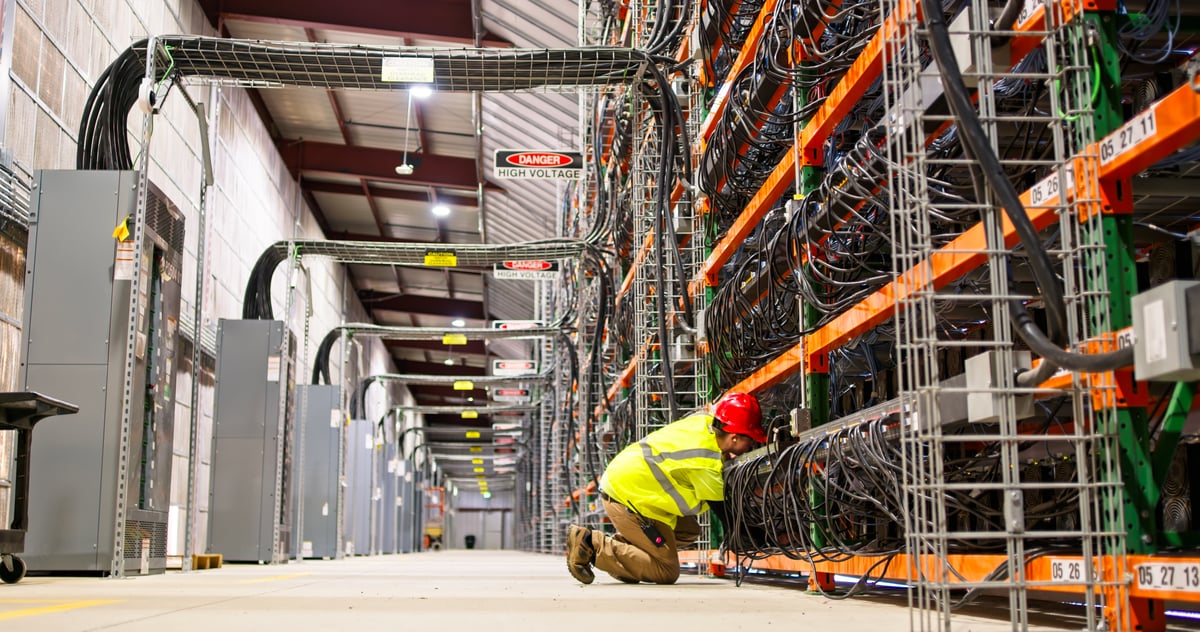
The Federal Reserve is now worried that the artificial intelligence data center build-out—with companies announcing more than $1.5 trillion(約240兆円) in AI infrastructure plans—will fuel inflation across the economy. The impact is already visible in higher memory chip prices, which have driven up costs for Apple laptops, iPads, and Microsoft Xbox consoles. Because memory chips are used in almost all consumer electronics and modern cars, and because data centers consume massive amounts of electricity and copper, the Fed fears the AI build-out could push inflation higher and dampen consumer spending.
Summaries like this, in your inbox every morning.
Sign up free →What happened
Federal Reserve officials, including Governor Lisa Cook and New York Fed President John Williams, have identified the massive artificial intelligence data center build-out as a new source of inflation pressure. Companies have announced more than $1.5 trillion(約240兆円) in AI data center plans, and the June Fed meeting minutes mention the inflationary impact of the AI build-out several times.
Why it matters
The AI build-out is already driving up prices for memory chips, which has cascaded into higher consumer costs—Apple raised laptop and iPad prices by hundreds of dollars, and Microsoft Xbox consoles will increase by $100 to $150 starting Aug. 1. Because memory chips are embedded in nearly all electronics and modern cars, broader consumer price increases are likely next. Beyond chips, data center construction is also boosting demand for electricity and copper, which could drive inflation economy-wide and suppress consumer spending.
What to watch
The Fed remains concerned that overall inflation risks are "strongly weighted" toward higher inflation, even as some current pressures (tariffs and the U.S.-Iran conflict) are expected to be short-lived. The trajectory of memory chip prices and energy costs tied to the AI build-out will be critical to whether this inflation pressure materializes at scale.
The Federal Reserve is expressing growing concern about an unconventional source of inflation: the artificial intelligence infrastructure boom. Speaking at the Exchequer Club of Washington this week, Fed Governor Lisa Cook outlined her reasoning for voting to hold the target interest rate steady at the June monetary policy committee meeting. She acknowledged that the two most visible current inflation drivers—tariffs and the resumed U.S.-Iran conflict—should produce only short-lived price increases. However, Cook still believes the overall inflation risk remains "strongly weighted" toward higher prices, and she pinpointed the reason: the massive AI data center build-out.
Companies have announced more than $1.5 trillion(約240兆円) in AI data center plans, along with additional AI-related capital expenditures such as robotics that could expand significantly in the coming years. Cook cited this AI infrastructure spending as a primary inflation concern. New York Federal Reserve President John Williams, one of the most influential Fed officials outside the chair's office, has echoed this view, saying the surging demand for AI investment has put the Fed on guard for new inflationary pressures. The Fed's June meeting minutes mention the inflationary impact of the AI build-out multiple times, signaling that this concern is not isolated to Cook and Williams but is embedded in the broader policy committee's thinking.
The inflation threat is already materializing in consumer prices. The surge in memory chip demand from data centers has pushed chip prices higher, and manufacturers are passing those costs to consumers. Apple recently raised prices on laptops and iPads by hundreds of dollars due to soaring memory chip costs. Microsoft Xbox consoles will increase by $100 to $150 starting Aug. 1 due to rising memory prices. Smartphone prices are expected to follow. Because memory chips are embedded in nearly all consumer electronics and modern automobiles, a sustained shortage or price spike could ripple across the entire consumer economy.
Beyond semiconductors, the AI build-out is straining two other critical economic inputs: electricity and copper. Data center construction and operation require massive amounts of both. If surging demand from the AI build-out sends those prices soaring, the inflationary pressure could spread throughout the economy, potentially driving headline inflation higher while simultaneously reducing consumer spending as budgets stretch to cover higher energy and goods prices. This scenario—stagflation-like dynamics—is precisely what concerns Fed officials and should be on investors' radar, as it could reshape interest rate expectations and market valuations.
The Federal Reserve's focus has shifted from near-term inflation pressures—tariffs and geopolitical conflict in the Persian Gulf—to a longer-term structural risk: the AI infrastructure boom. Fed Governor Lisa Cook acknowledged in her June voting statement that tariffs and the U.S.-Iran conflict are expected to produce only temporary inflation spikes, which would ordinarily justify holding rates steady. Yet both Cook and New York Fed President John Williams have flagged the AI build-out as a persistent inflationary concern that the Fed is now actively monitoring.
The mechanism is straightforward and already visible in real prices. Memory chip demand from AI data centers has spiked so sharply that it has pushed up consumer electronics prices across the board—from Apple's premium devices to gaming consoles. Because memory chips are embedded in nearly all consumer goods and modern automobiles, the initial price shocks in high-end electronics suggest a broader wave of consumer price increases is coming. Beyond semiconductors, the sheer scale of data center construction and operation is driving demand for electricity and copper, two inputs that ripple through the entire economy. If those prices spike alongside memory chips, the cumulative effect could be a sustained inflation surge that undermines consumer purchasing power and complicates the Fed's already difficult policy stance.
AI-summarized, only the topics you pick — one digest a day via Email, Slack, or Discord.
Free · takes 30 seconds · unsubscribe anytime
No discussion yet for this article
Get curated AI news from 200+ sources delivered daily to your inbox. Free to use.
Get Started FreeFree · takes 30 seconds · unsubscribe anytime
1 minute a day. The AI essentials.
200+ sources · Email / LINE / Slack
