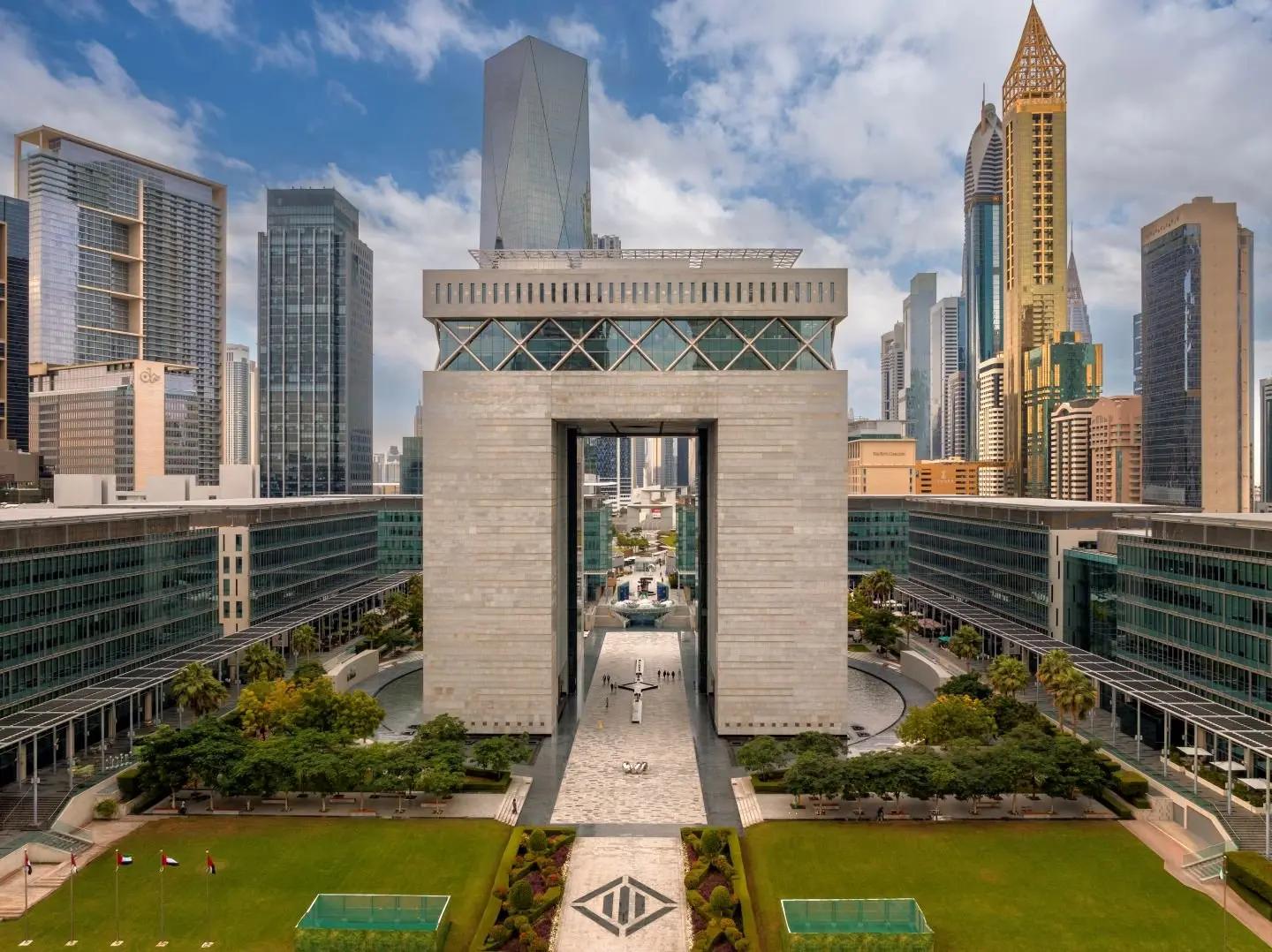
Dubai's International Financial Centre has grown to 10,018 registered businesses, up 30% in a year, marking the first time the hub has reached five figures. The surge reflects strong demand from AI, fintech, and innovation firms, which grew 39% to 1,933 companies, despite regional competition and geopolitical headwinds. The district's workforce reached 50,200 in December, and major new office space is coming online to support further expansion.
Summaries like this, in your inbox every morning.
Sign up free →What happened
The Dubai International Financial Centre reported 10,018 active businesses as of the latest count—a 30% increase over the past year and the first time the register has reached five figures. Regulated financial services firms grew 16% to 1,134, while AI, fintech, and innovation firms jumped 39% to 1,933.
Why it matters
The growth shows Dubai's financial district is consolidating its position as a regional business magnet, even amid geopolitical tensions (the Iran war) and competition from Abu Dhabi and Riyadh. For companies seeking Middle Eastern regulatory hubs or tech-friendly jurisdictions, the DIFC's momentum signals a maturing alternative to established Western financial centres.
What to watch
The DIFC's workforce stood at 50,200 in December. Additional office space opened at DIFC Square in March, with the larger $27 billion(約4.3兆円) Zabeel District project set to deliver by 2040—expansion plans that will likely shape capacity for the next wave of registrations.
The Dubai International Financial Centre has crossed a symbolic threshold: 10,018 active registered businesses, representing a 30% increase over the past year. This marks the first time the hub's register has reached five figures. The growth builds on a 39% expansion recorded in 2025, signalling sustained momentum in the district's ability to attract and retain companies.
The composition of new registrations shows a marked tilt toward technology and innovation. Regulated financial services firms—the traditional core of a financial centre—grew 16% to 1,134. By contrast, firms classified in AI, fintech, and innovation categories surged 39% to 1,933, suggesting the DIFC is repositioning itself as a destination for emerging tech businesses, not just legacy banking operations. This shift reflects broader global trends favouring fintech and AI-driven services, and it positions the DIFC to capture growth in sectors that legacy financial hubs may be slower to embrace.
The DIFC's expansion occurs in a challenging regional and geopolitical environment. The district faces competition from rival hubs in Abu Dhabi and Riyadh—both actively promoting their own financial and innovation clusters. The ongoing Iran war also presents geopolitical disruption that could affect business confidence and regional stability. Despite these headwinds, the DIFC has sustained growth, suggesting strong underlying appeal. As of December, the district's workforce reached 50,200 people, providing the operational backbone for the registered companies. To support continued expansion, new office space came online at DIFC Square in March, and the much larger Zabeel District—a $27 billion(約4.3兆円) project—is scheduled for completion by 2040. These infrastructure investments signal confidence in long-term demand and position the hub for the next phase of growth. However, the DIFC's announcement does not disclose the scale or profitability of registered firms, leaving open the question of whether the growth in company numbers translates to equivalent economic impact.
The DIFC's expansion to 10,018 companies reflects a deliberate positioning as a fintech and innovation hub, not merely a traditional financial centre. The 39% surge in AI, fintech, and innovation firms—outpacing the 16% growth in regulated financial services—suggests the district is successfully attracting early-stage and high-growth enterprises, a shift from its earlier reliance on banking and wealth management. This diversification may insulate the hub from sector-specific downturns and align it with global investor appetite for tech-forward jurisdictions.
The growth persists despite acknowledged headwinds: the Iran war and direct competition from Abu Dhabi and Riyadh. The fact that the DIFC has expanded even under these pressures indicates either a strong underlying competitive advantage (regulatory clarity, tax treatment, or infrastructure) or a regional ecosystem effect that is drawing companies to Dubai over alternatives. The workforce figure of 50,200 in December suggests the hub has built sufficient depth to support operational scaling, though the article notes that registration numbers do not reveal company size or revenue—a caveat that prevents full assessment of the hub's economic impact.
AI-summarized, only the topics you pick — one digest a day via Email, Slack, or Discord.
Free · takes 30 seconds · unsubscribe anytime
No discussion yet for this article
Get curated AI news from 200+ sources delivered daily to your inbox. Free to use.
Get Started FreeFree · takes 30 seconds · unsubscribe anytime
