What happened
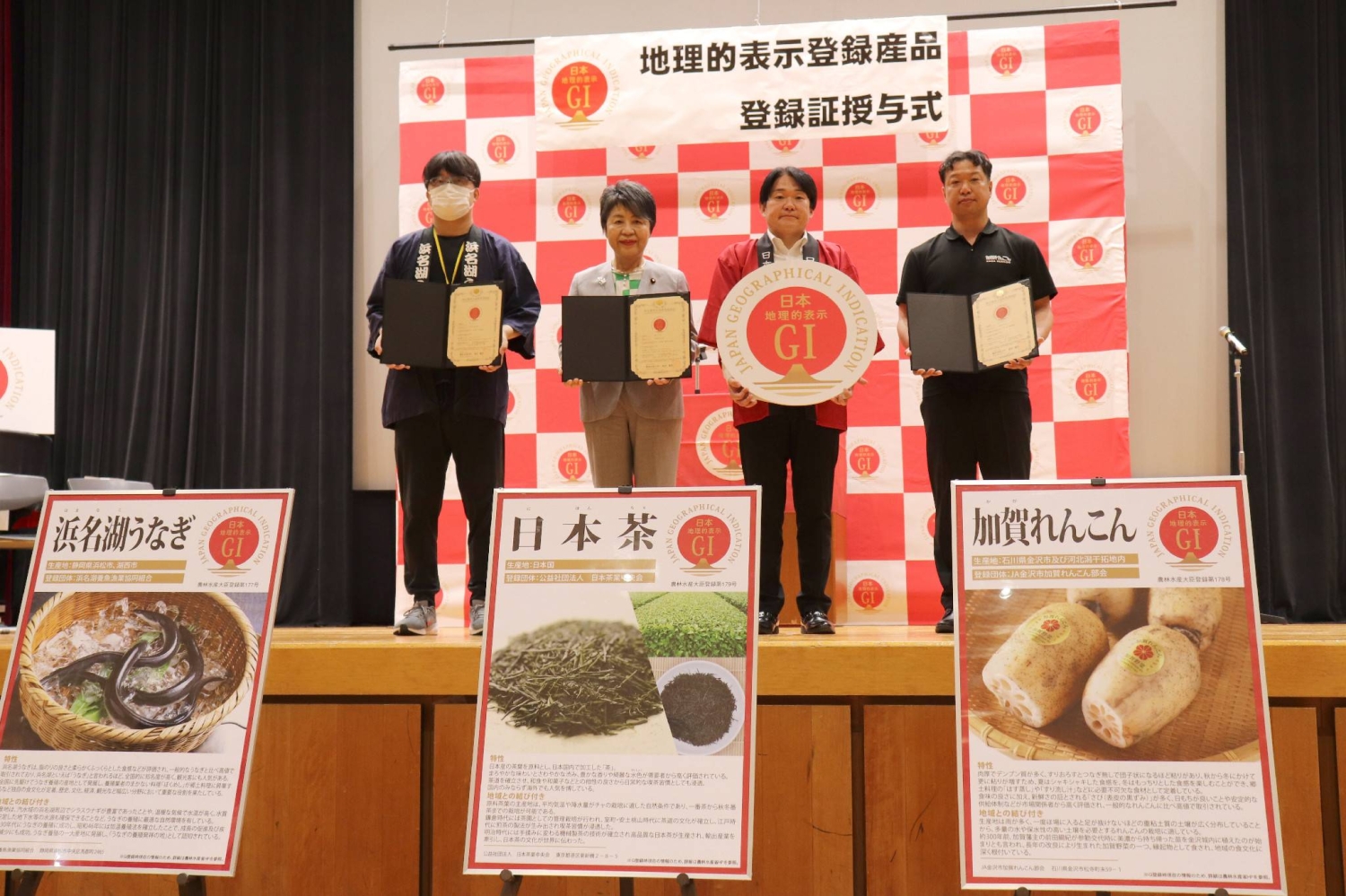
Japan's agriculture ministry registered 'Japanese tea' under its geographical indication (GI) system on Friday, making it the first agricultural product from anywhere in Japan to receive this protection regardless of region. The ministry also granted GI protection to 'Hamanako unagi' eels and 'Kaga renkon' lotus roots the same day, bringing the total number of protected agricultural products to 170.
Why it matters
The move protects Japanese tea as intellectual property against imitation products amid a global matcha boom. Green tea exports totaled about ¥72.1 billion in 2025, and Agriculture Minister Norikazu Suzuki said the registration 'will give an additional push to the strong exports' of Japanese tea.
What to watch
Japanese tea joins Japanese sake as the only two agricultural or food items eligible for GI protection without being tied to a specific region within Japan. The registration reflects the ministry's strategy to combat intellectual property infringement as demand for Japanese tea products grows worldwide.
Summaries like this, in your inbox every morning.
Japan's decision to register 'Japanese tea' under its geographical indication system reflects a strategic response to the global rise in demand for Japanese tea products, particularly matcha. The agriculture ministry cited the need to combat intellectual property infringement by imitation goods as the driving motivation. By granting protection to tea from anywhere in Japan rather than tying it to specific regions—a precedent set only by Japanese sake—the government aims to establish a unified brand identity that can protect the broader category from misuse abroad.
The ¥72.1 billion in green tea exports during 2025 demonstrates the commercial stakes behind this protection effort. Agriculture Minister Norikazu Suzuki's statement that the GI registration 'will give an additional push to the strong exports' underscores the ministry's view that formal intellectual property protection can reinforce Japan's competitive position in global tea markets. The simultaneous registration of two regional products—Hamanako unagi and Kaga renkon—brings the total portfolio of protected agricultural goods to 170, signaling a broader push to build Japan's agricultural brand across multiple categories.
Pick your industry and the AI tools you use, and get news related to your work every day.
Free · 30 seconds with Google · unsubscribe anytimeWhat is AIToday? →
Ask AI anything about this article. The AI reads this article, earlier AIToday articles, and Wikipedia, and cites its sources. Q&As are published on this page for other readers too.

