What happened
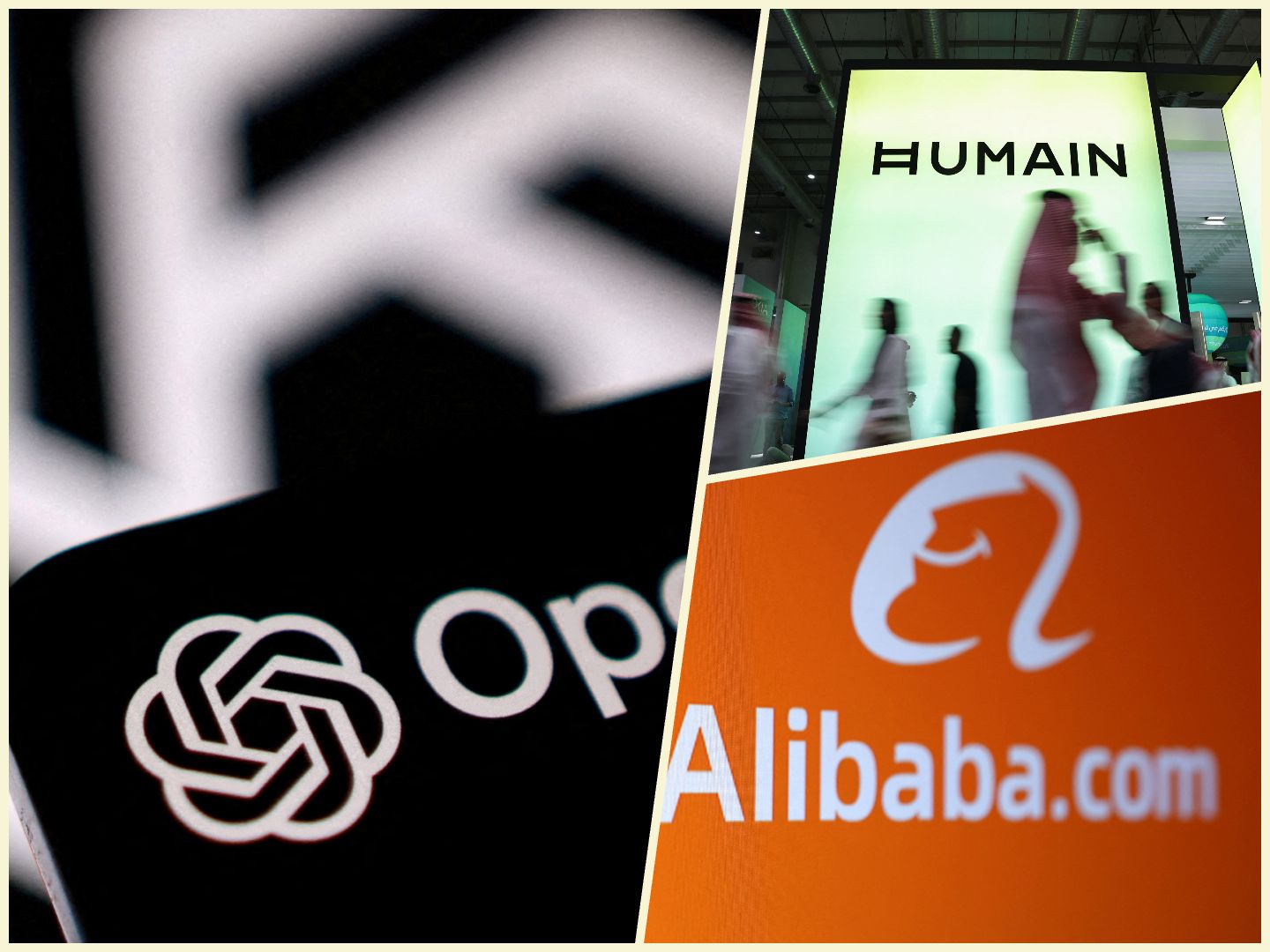
Saudi state-backed HUMAIN unveiled Arabic technology built on a model from China's MiniMax at Riyadh's LEAP conference, while building infrastructure with US chips. AWS has committed $5.3 billion to Saudi data centers.
Why it matters
HUMAIN has agreed Chinese frontier models won't be trained on computing capacity it obtains through US export approvals, yet keeps Chinese ties open. Beyond MiniMax, ByteDance's cloud arm and Tencent Cloud have moved into Riyadh.
What to watch
The strategy hinges on Washington and Beijing both needing Gulf infrastructure, letting Riyadh extract investment and technology transfer. DataVolt's roughly $1 billion, 100-megawatt NEOM facility, with ambitions to expand to 360 megawatts, is the test case.
WHO IT HITSGulf sovereign AI funds and data-center developers gain leverage over both US chipmakers and Chinese model providers, while enterprise AI teams sourcing compute may find the Gulf an increasingly important middle ground.
Ask the AI about this article →
Summaries like this, in your inbox every morning.
Saudi Arabia's approach at the LEAP conference reflects a deliberate strategy rather than a contradiction. The conventional view splits AI into two blocs: the US, with Nvidia, hyperscalers, and leading frontier labs, and China, with its own models, engineering capacity, and increasingly competitive stack. Gulf countries like Saudi Arabia and the UAE don't need to replicate either. Their value may lie in being among the few places where both can operate at once.
The strategy stems from a simple calculation. American restrictions push Riyadh toward Chinese alternatives, while Chinese shortfalls in frontier performance push it back toward Washington. Both sides end up competing for something the Gulf increasingly controls: AI infrastructure. The Gulf's advantages include capital, energy, and land, plus geopolitical flexibility. HUMAIN is building with American technology and has agreed Chinese frontier models won't be trained on US-approved computing capacity, while keeping relationships with Chinese firms open — including ByteDance's cloud arm building in Riyadh, Tencent Cloud securing a Saudi operating license, and Lenovo rolling out its first "Made in Saudi Arabia" laptop.
AI may feel like software, but in many ways it's more like heavy industry, with enormous data centers, electricity, cooling, land, and capital. Saudi Arabia has all of it. DataVolt's roughly $1 billion, 100-megawatt NEOM facility, with ambitions to expand to 360 megawatts, shows how the kingdom can compete by owning infrastructure rather than chips or models. The outcome hinges on whether Washington and Beijing both keep needing Gulf infrastructure, allowing Riyadh to extract investment, localization commitments, and technology transfer. If so, the AI competition may look more like the Cold War than expected — not two sealed blocs, but a handful of swing states playing both sides.
For example, today's edition would include:
AI-summarized, only the topics you pick — one digest a day via Email, Slack, or Discord.
Free · 30 seconds with Google · unsubscribe anytimeWhat is AIToday? →
Ask AI anything about this article. Q&As are published on this page for other readers too.
SCREEN and Lasertec both fell to lower revenue and profit in their latest fiscal years, but now forecast reven…
A Korean office worker wrote on the community "リメンバー" that he asked ChatGPT about chest tightness and breathin…
Fortinet acquired Virtue AI, a move aimed at extending its AI security and strengthening real-time protection…

Lowe's Senior Director of AI Sravan Vadigepalli sat down to explain how the retailer is building in AI, aligni…

Advocates writing for The Progressive called for a halt on new data centers and computing capacity for frontie…

Arista Networks disclosed at Tuesday's Goldman Sachs conference that its multiyear purchase commitments nearly…