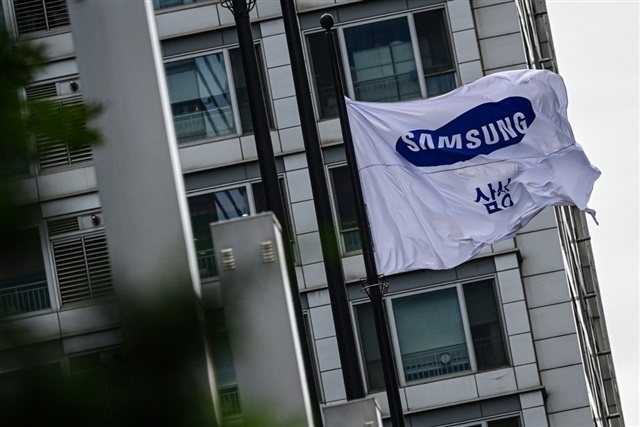
Samsung has delayed mass production of its CXL 3.1 memory modules following postponements of next-generation server processors from Intel and AMD. The slip demonstrates that AI infrastructure adoption depends on coordinated timing across multiple hardware vendors—when leading chip makers push back their releases, memory and other downstream components cannot launch as planned, extending the timeline for major data center upgrades.
Summaries like this, in your inbox every morning.
Sign up free →What happened
Samsung Electronics has postponed mass production of its CXL 3.1 memory modules due to delays in next-generation server processors from Intel and AMD, which have pushed back the broader PCIe 6.0 ecosystem.
Why it matters
The delay underscores how AI infrastructure adoption increasingly depends on coordinated hardware readiness across chip makers and memory vendors. When processor timelines slip, downstream components like memory cannot ship on schedule, slowing the build-out of AI data centers.
What to watch
The postponement affects the PCIe 6.0 ecosystem as a whole, signaling that major infrastructure upgrades tied to next-generation servers will take longer than initially planned.
Samsung's decision to delay CXL 3.1 memory production reveals a critical vulnerability in the AI infrastructure supply chain: the tight coupling between processor launches and supporting memory technologies. Intel and AMD's postponements of next-generation server chips have a cascading effect on ecosystem partners like Samsung, who cannot profitably mass-produce memory modules designed for hardware that is not yet deployed. This coordination challenge is not incidental—it goes to the heart of how modern AI data centers are built, requiring simultaneous readiness across multiple specialized vendors.
The broader PCIe 6.0 ecosystem, which CXL 3.1 memory supports, depends on these processor launches to justify the manufacturing investment. A delay in the foundational layer (processors) ripples backward through the supply chain, making it impossible for memory vendors to execute their own product roadmaps independently. For businesses and cloud providers planning AI infrastructure investments, this signals that timelines for major upgrades will stretch longer than initially announced, potentially delaying when new capabilities become widely available.
No discussion yet for this article
Get curated AI news from 200+ sources delivered daily to your inbox. Free to use.
Get Started FreeFree · takes 30 seconds · unsubscribe anytime
1 minute a day. The AI essentials.
200+ sources · Email / LINE / Slack
