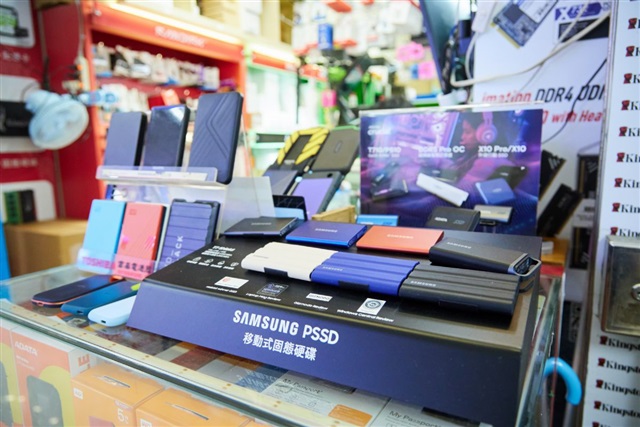
NAND Flash memory prices have stopped their rapid climb in the second half of 2026, though they remain elevated. Supply shortages persist despite lower spot demand, suggesting prices may settle into a high plateau rather than fall quickly, which could keep storage and device costs higher for longer.
Summaries like this, in your inbox every morning.
Sign up free →What happened
NAND Flash memory prices have stopped rising as quickly in the second half of 2026, though supply remains constrained despite weaker spot demand. Supply-chain sources indicate the market is entering a high-price plateau rather than a downturn.
Why it matters
NAND Flash prices directly affect the cost of storage in phones, laptops, data centers, and other devices that businesses and consumers rely on. A sustained high-price plateau could keep device costs elevated longer than if prices resumed their full decline.
What to watch
The balance between supply constraints and spot demand over the coming months will determine whether prices stabilize at this plateau level or eventually begin declining.
NAND Flash memory prices began the second half of 2026 at the tail end of a rally, but the pace of increases has moderated noticeably. Supply-chain sources suggest the market is not reversing course into a price decline, but rather settling into what they describe as a high-price plateau—a state of relative price stability at an elevated level. Even as spot demand has weakened, supply remains tight enough to support prices at that plateau. This dynamic reflects a market in transition: demand is softer than it was during the most intense phase of the rally, yet production constraints are still restrictive enough to prevent the supply glut that would normally trigger a sharp price correction. The implication is that while NAND prices may no longer move sharply upward, they are unlikely to fall significantly in the near term, keeping storage and device costs at higher levels for an extended period.
The NAND Flash market has undergone a subtle shift in the second half of 2026. Rather than continuing its steep price climb, the market is moderating—but not turning downward. Supply-chain participants describe this as a transition to a "high-price plateau," a state where prices stabilize at an elevated level rather than either rising sharply or falling back. This distinction matters because it reflects an imbalance: demand has cooled enough to slow the rally, yet supply constraints remain binding enough to prevent a price collapse. For businesses and consumers purchasing storage-dependent devices, this signals that cost relief may come slowly, if at all, in the near term.
AI-summarized, only the topics you pick — one digest a day via Email, Slack, or Discord.
Free · takes 30 seconds · unsubscribe anytime
No discussion yet for this article
Get curated AI news from 200+ sources delivered daily to your inbox. Free to use.
Get Started FreeFree · takes 30 seconds · unsubscribe anytime
