What happened
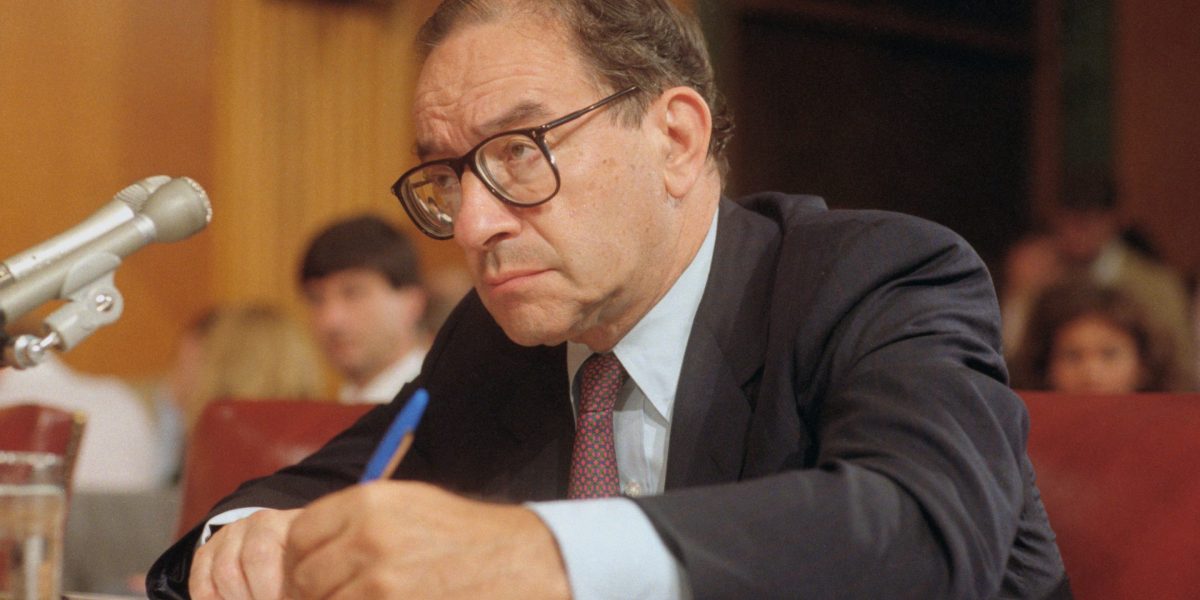
Alan Greenspan, who led the Federal Reserve for 18 years and died Monday at age 100 from complications of Parkinson's, became famous for keeping interest rates low during the 1990s internet boom despite rising inflation, betting that productivity gains from new technology justified higher asset prices. His 1996 phrase 'irrational exuberance' became iconic for flagging speculation, yet he did not try to stop it with rate hikes, believing the cure would damage the broader economy.
Why it matters
Greenspan's bet proved right for the dot-com bubble—the economy weathered the collapse—but his hands-off approach to the housing boom proved catastrophically wrong. Now Kevin Warsh, a Greenspan proponent, leads the Fed as AI companies trade at valuations that Greenspan's former vice chair Alan Blinder calls 'wild,' creating what Blinder describes as 'very much analogous to the questions that Greenspan faced in the late 90s.' The parallel raises the question of whether Warsh will repeat Greenspan's success or his failures.
What to watch
The core tension Greenspan never resolved: whether central banks can safely let asset bubbles inflate without risking catastrophic damage when they pop. Warsh must decide whether to lean against the AI boom's valuations or allow it to run, knowing that Greenspan's faith in markets to self-correct was contradicted by the 2008 financial crisis.
Ask the AI about this article →
For example, today's edition would include:
AI-summarized, only the topics you pick — one digest a day via Email, Slack, or Discord.
Free · takes 30 seconds · unsubscribe anytimeWhat is AIToday? →
Ask AI anything about this article. Q&As are published on this page for other readers too.

