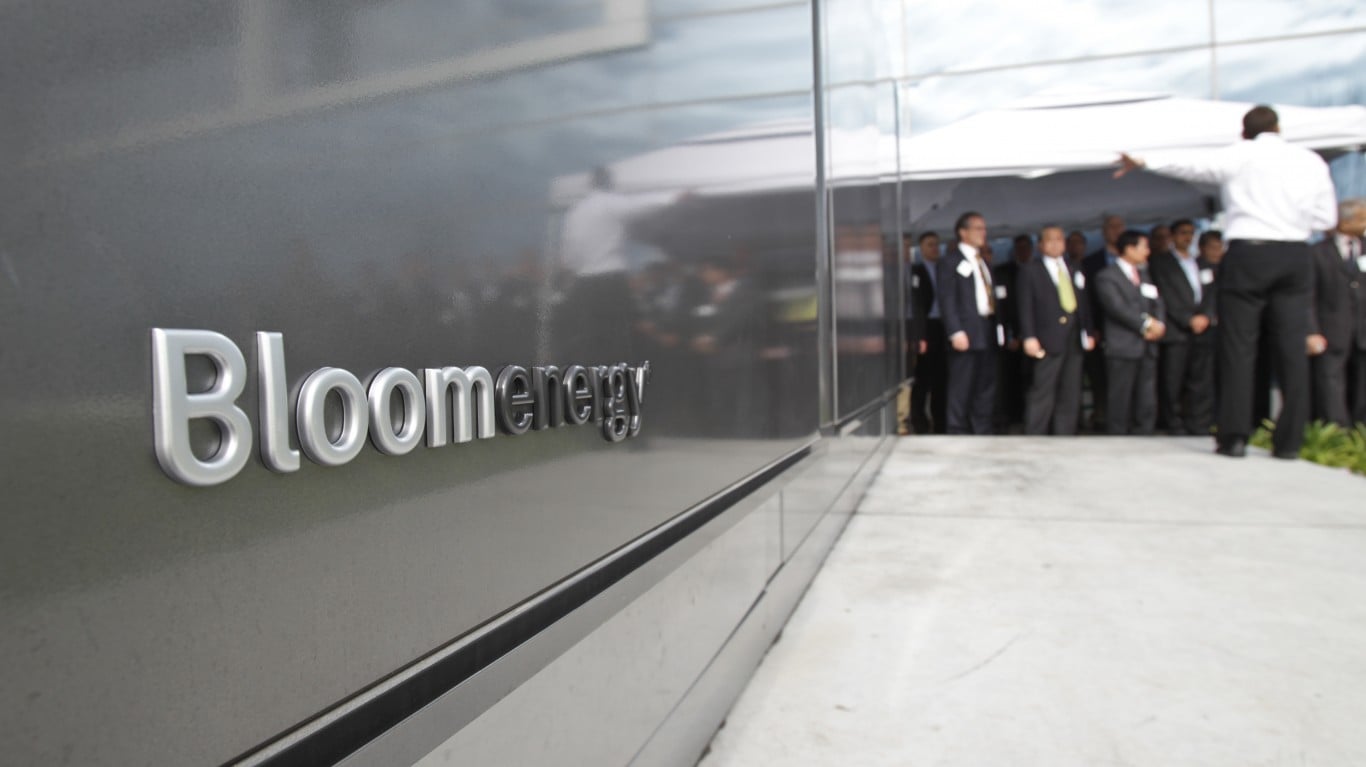
Bloom Energy, a fuel-cell power supplier that has thrived on rising demand from AI data centers, is encountering growing obstacles to expansion: a major project was rejected in New Mexico, and community opposition is spreading across multiple locations. This regulatory and local backlash raises questions about whether the company's biggest growth opportunities can withstand increasing scrutiny.
Summaries like this, in your inbox every morning.
Sign up free →What happened
Bloom Energy, which has benefited from the boom in AI data centers, suffered a high-profile project rejection in New Mexico and is facing mounting community opposition to its expansion plans.
Why it matters
The regulatory and local hurdles signal that the company's core growth strategy—supplying fuel cells to power-hungry AI facilities—may face material obstacles. Community resistance could limit where Bloom can build and operate, constraining the scale of its opportunity.
What to watch
The outcome of pending regulatory decisions in other regions where Bloom has proposed data center projects; early signs will indicate whether the New Mexico rejection represents a one-off or a broader pattern that reshapes the company's expansion roadmap.
Bloom Energy has ridden the wave of explosive demand for AI data center infrastructure, selling fuel-cell systems that supply reliable, high-capacity power to energy-intensive computing facilities. However, the company now faces a critical test of whether this expansion can clear the regulatory and community approval hurdles that typically accompany large infrastructure projects. A high-profile project in New Mexico was rejected, signaling that not every proposed facility will move forward. Compounding this setback, community opposition is spreading across multiple locations where Bloom has proposed new data center projects. These twin pressures—regulatory rejection and grassroots resistance—raise serious questions about the scalability of Bloom Energy's growth strategy. If local opposition hardens into a consistent pattern, the company may find its addressable market significantly constrained, with projects delayed, downsized, or relocated to jurisdictions with fewer regulatory or social barriers. Investors and partners betting on unimpeded growth in AI data center infrastructure will need to reassess how real-world implementation challenges affect the pace and magnitude of Bloom's revenue opportunities.
Bloom Energy's business model has depended on the rapid expansion of AI data centers, which require enormous amounts of electrical power and are therefore a natural market for the company's fuel-cell technology. The New Mexico project rejection and widening community opposition suggest that growth in this sector faces real regulatory and social constraints. Local communities may be raising environmental, infrastructure, or land-use concerns typical of large industrial projects, and if such objections gain traction across multiple jurisdictions, they could materially limit the geography and pace at which Bloom can deploy capacity. The company's stock benefited significantly from the AI boom narrative; this emerging friction introduces execution risk that the market had not fully priced in.
AI-summarized, only the topics you pick — one digest a day via Email, Slack, or Discord.
Free · takes 30 seconds · unsubscribe anytime
No discussion yet for this article
Get curated AI news from 200+ sources delivered daily to your inbox. Free to use.
Get Started FreeFree · takes 30 seconds · unsubscribe anytime
1 minute a day. The AI essentials.
200+ sources · Email / LINE / Slack
