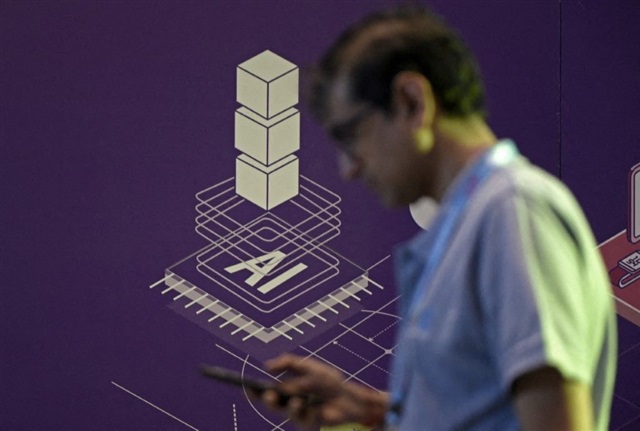
India is expanding its semiconductor strategy beyond chip manufacturing to include equipment, materials, and AI development, aiming for a stronger position in the global electronics industry. This shift reflects India's ambition to build a more complete domestic ecosystem rather than relying solely on attracting foreign fabs and assembly work.
Summaries like this, in your inbox every morning.
Sign up free →What happened
India is shifting its semiconductor strategy to encompass equipment manufacturing, materials production, AI capabilities, and supply-chain development, moving beyond its focus on attracting chip factories and assembly operations.
Why it matters
This broader approach positions India to capture a larger share of the global electronics value chain rather than remain confined to lower-margin manufacturing stages. Building local equipment and materials capacity could strengthen India's role in the semiconductor industry and reduce dependence on imports.
What to watch
The success of India's ecosystem expansion will depend on how quickly it can develop homegrown equipment and materials sectors and establish trade partnerships that support this vertical integration.
India is reshaping its approach to becoming a major player in the global semiconductor industry. Rather than limiting ambitions to attracting chip factories and assembly plants—a strategy that has dominated previous efforts—the country is now broadening its scope significantly. The expanded strategy encompasses semiconductor equipment manufacturing, the production of materials used in chip fabrication, the development of AI capabilities, the construction of supply chains, and the establishment of trade partnerships. This comprehensive reorientation reflects India's determination to secure a larger and more valuable role in the global electronics sector. By investing across the full spectrum of semiconductor-related activities, from raw materials to finished products and the AI systems that increasingly drive chip design and use, India aims to reduce its reliance on foreign suppliers and capture more of the economic value that semiconductor production generates. The inclusion of AI development signals recognition that artificial intelligence is becoming central to both chip design and the industries that use semiconductors, making it essential to India's long-term competitiveness in the sector.
India's shift reflects a strategic recognition that semiconductor manufacturing alone does not guarantee a substantial role in the global value chain. By confining itself to fabs and assembly—typically lower-margin operations—India would remain dependent on foreign companies for equipment and materials. Expanding into equipment manufacturing and materials production allows India to capture more value and reduce import dependencies, positioning it as a more complete player in the semiconductor ecosystem. The emphasis on AI capabilities and trade partnerships indicates India's awareness that the modern semiconductor industry is inseparable from artificial intelligence and international supply relationships. This comprehensive approach suggests that policymakers view the semiconductor sector not as an isolated manufacturing problem but as a systemic opportunity to build technological self-sufficiency and global competitiveness across multiple tiers.
AI-summarized, only the topics you pick — one digest a day via Email, Slack, or Discord.
Free · takes 30 seconds · unsubscribe anytime
No discussion yet for this article
Get curated AI news from 200+ sources delivered daily to your inbox. Free to use.
Get Started FreeFree · takes 30 seconds · unsubscribe anytime
1 minute a day. The AI essentials.
200+ sources · Email / LINE / Slack
