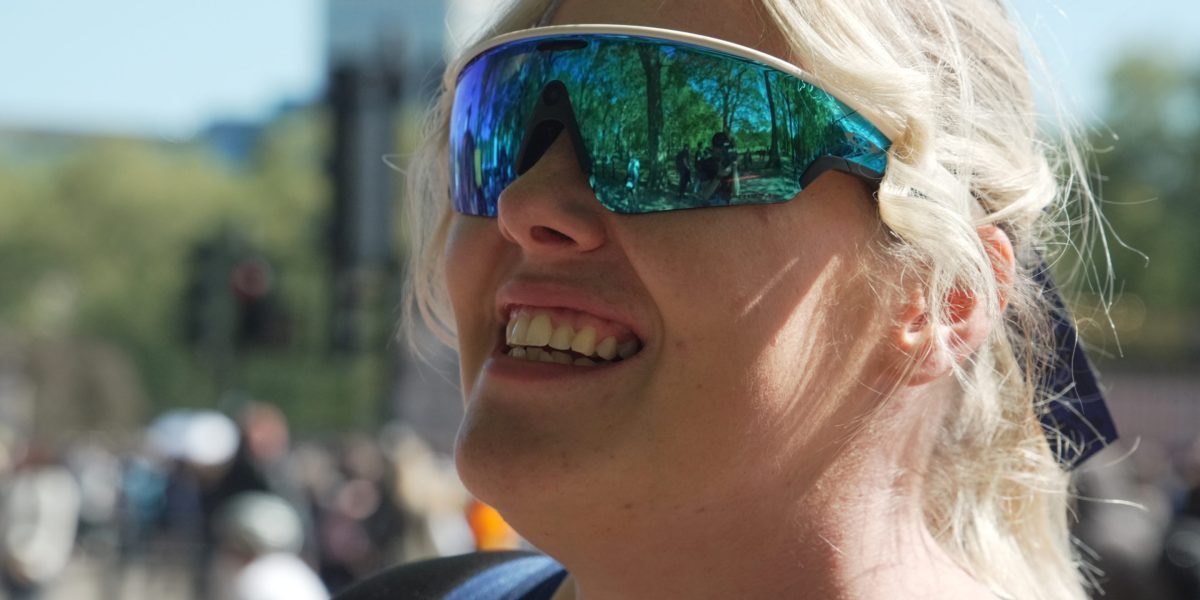
Visually impaired athletes are now using smart glasses that capture video through a front-facing camera, process it with AI, and deliver audio descriptions through built-in speakers — allowing runners to navigate marathon routes independently without a sighted guide.
Summaries like this, in your inbox every morning.
Pick your industry and the AI tools you use, and get news related to your work every day.
Free · 30 seconds with Google · unsubscribe anytimeWhat is AIToday? →
Ask AI anything about this article. The AI reads this article, earlier AIToday articles, and Wikipedia, and cites its sources. Q&As are published on this page for other readers too.

