What happened
Midjourney has filed a motion to review a mid-June court ruling that blocked the image-generation AI company from requiring Disney, Universal, and Warner Bros. to disclose how they use AI themselves. The studios sued Midjourney in 2025, alleging the company infringed copyrights of franchises including Superman, Scooby-Doo, and Yoda by training its models on publicly available images.
Why it matters
Midjourney argues that if the studios are themselves training AI models on third-party copyrighted works scraped from the internet, that conduct would serve as evidence the industry considers such use to be fair use under copyright law. The outcome of this case may determine how copyright law applies to AI training across the industry, with consequences for artists, art markets, and companies building AI systems.
What to watch
US copyright law allows unlicensed use of copyrighted material under a "fair use" exception based on several factors—purpose, nature of the work, how much was copied, and market impact. Courts have ruled in some prior AI cases that training is transformative fair use, but fair use remains an unsettled area of law; it is unclear when the California district court will rule on Midjourney's motion.
Summaries like this, in your inbox every morning.
The Midjourney case sits at the intersection of two conflicting legal principles: copyright protection for creative works and the emerging doctrine of fair use in AI training. The studios' complaint centers on Midjourney's training method—feeding the AI system publicly available images, including copyrighted ones—to enable users to generate images of protected characters. Midjourney's counterargument hinges on what it calls "industry custom and practice": the claim that the major studios themselves engage in the same conduct (scraping and unlicensed copying of millions of images for AI training). If true, this symmetry could undermine the studios' position, since copyright's fair use doctrine weighs factors like the market effect and industry norms. A mid-June ruling already blocked Midjourney's initial discovery request, but the company's motion to review signals it believes access to the studios' training practices is essential to mount a fair use defense.
The broader significance lies in the unresolved status of fair use in generative AI. Prior court decisions have sometimes ruled that AI training is transformative and thus fair use, but those rulings have been inconsistent and often turned on specifics like proof of market harm or the rights holder's failure to establish why fair use should not apply. With hundreds of similar cases pending worldwide, each ruling will incrementally shape copyright law and the rights of artists, rights holders, and AI companies. The outcome could affect not only Midjourney but the entire business model of training large AI systems on internet-scale data.
Pick your industry and the AI tools you use, and get news related to your work every day.
Free · 30 seconds with Google · unsubscribe anytimeWhat is AIToday? →
Ask AI anything about this article. The AI reads this article, earlier AIToday articles, and Wikipedia, and cites its sources. Q&As are published on this page for other readers too.
kaazu published vrm-charsheet, an MIT-licensed browser tool that drags in a VRM file and exports six preset co…

Forbes reports that Coca-Cola is using AI to reinvent its marketing, and presents the company's approach as a…

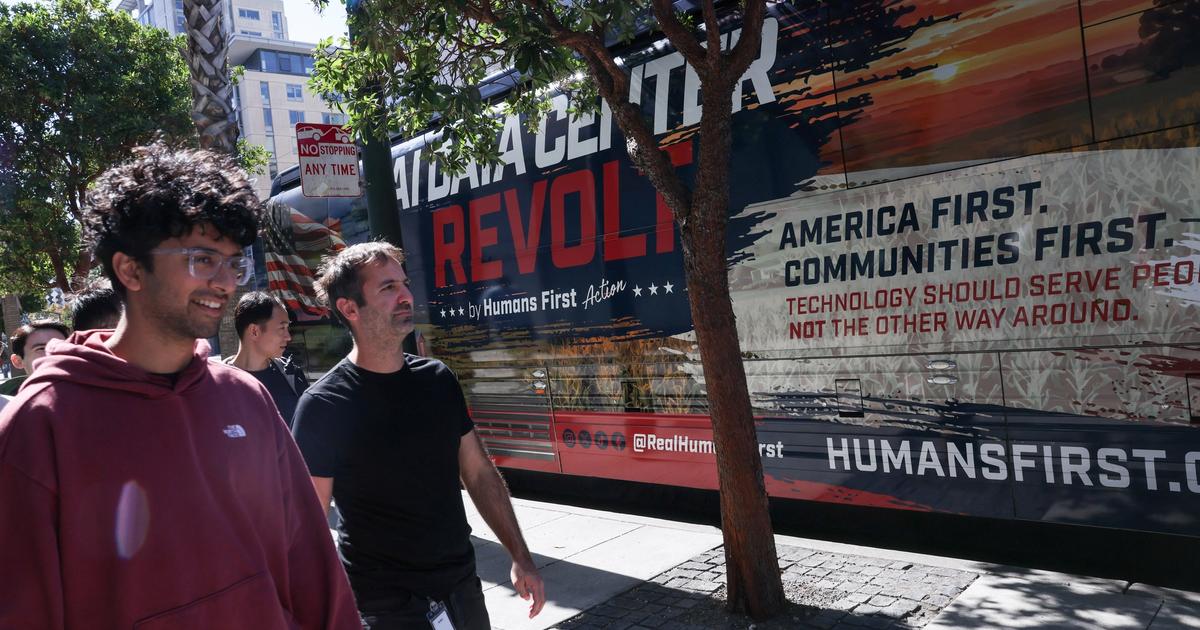
Humans First released an "America First AI Policy" platform on Friday, proposing tighter export controls on Ch…
A Seeking Alpha analyst published a piece titled "GE Vernova: AI's Next Bottleneck Is Electricity," arguing th…
Goldman Sachs says German exports have rebounded, driven by demand from the US, the EU, and the AI buildout

Amazon introduced Bee Frontier, a wearable personal AI, for $74.99 in Onyx, Lavender and Sage, and Bee Eclipse…