Summaries like this, in your inbox every morning.
Sign up free →What happened
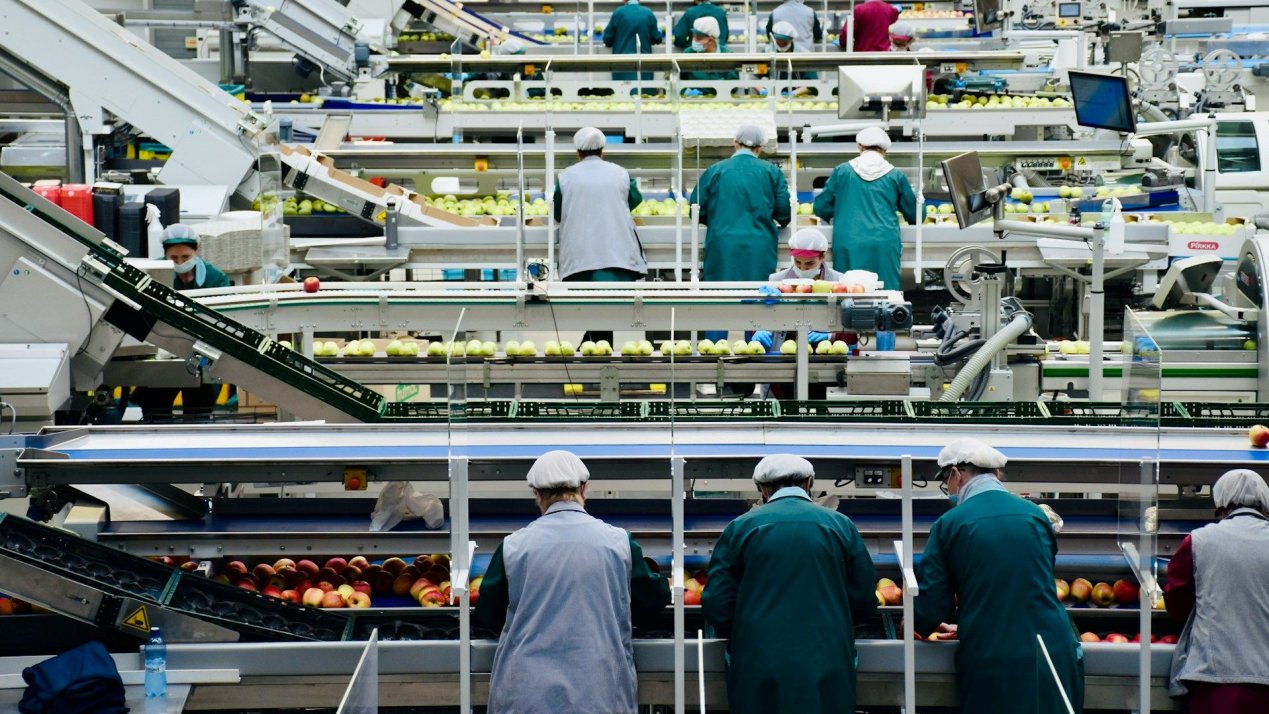
PepsiCo is piloting digital twin technology with Siemens and NVIDIA to design production and warehousing facilities before physical construction, identifying up to 90% of potential issues beforehand and reducing capital expenditure by up to 15%. Nestlé uses AI-based forecasting and digital twins through Accenture Song to optimize production and prevent overproduction or underproduction. Danone is training teams on digital twin and predictive maintenance tools through a partnership with Microsoft.
Why it matters
Food companies operate at massive scale across dozens of countries with inconsistent supplier data and complex trade-offs between quality, cost, service, and sustainability. AI's ability to learn from incomplete or imperfect data — common in food supply chains — makes Scope 3 emissions measurable and actionable earlier than previously possible, and enables faster responses to consumer demand without compromising safety.
What to watch
PepsiCo's digital twin pilot in the US is expected to be rolled out globally following its US phase. At Nestlé, the shift is described as moving from isolated use cases to enterprise-wide, value-driven AI embedded in daily operations. Danone reports that AI's biggest impact so far has been in workforce development and people enablement rather than automation alone.
No comments yet. Be the first to share your thoughts!
Log in to join the discussion
Get curated AI news from 200+ sources delivered daily to your inbox. Free to use.
Get Started FreeFree · takes 30 seconds · unsubscribe anytime
5 minutes a day. The AI essentials.
200+ sources · Email / LINE / Slack
