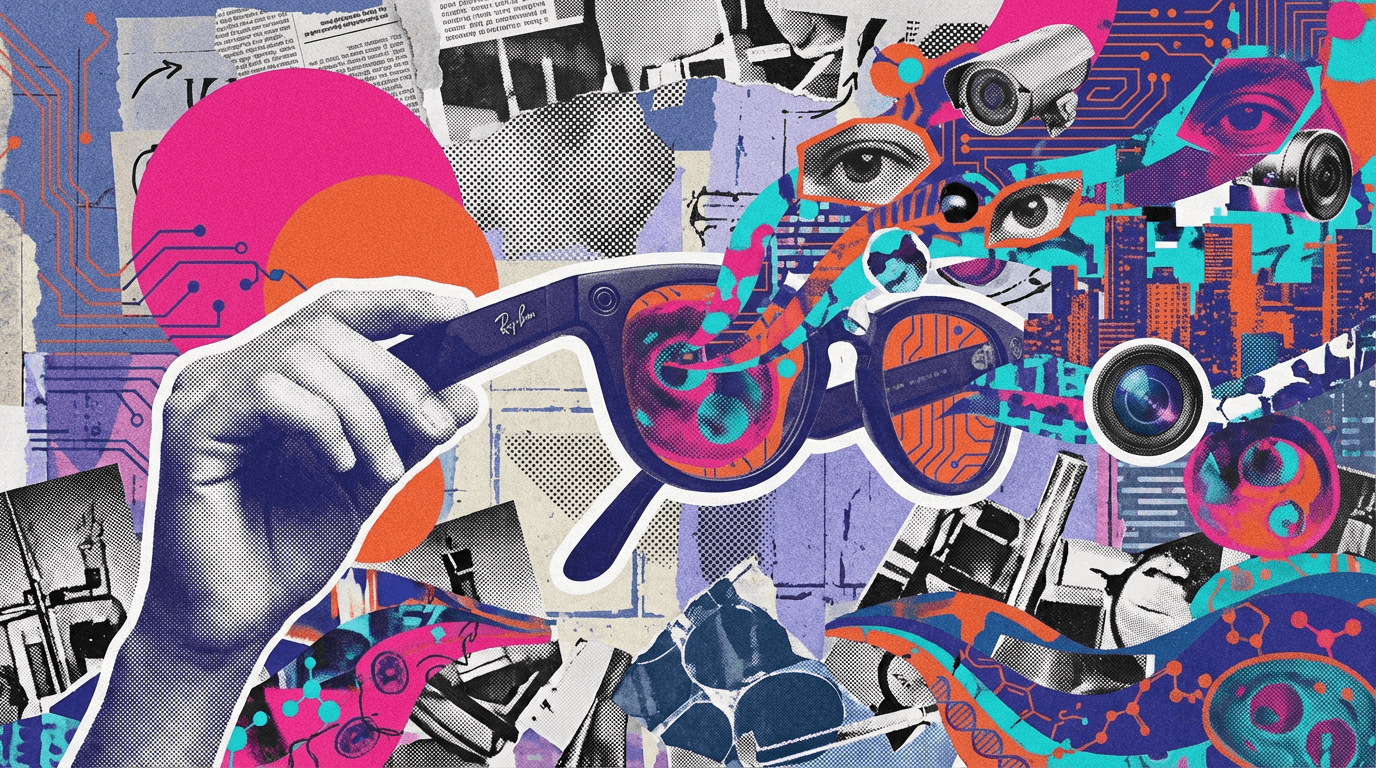
Meta is prototyping always-on AI glasses that continuously record audio and take photos, with a feature that would hide the recording indicator light from bystanders.
The glasses would let users query an AI about what they saw or heard during the day, raising privacy concerns within the company and potentially feeding collected data into Meta's own AI systems.
What happened
Meta is developing AI-powered glasses with a feature called "Super Sensing" that continuously captures audio and photographs every few seconds, letting users ask an AI to recall anything they saw or heard.
Why it matters
Unlike Meta's current Ray-Ban smart glasses, the Super Sensing mode would not activate an LED indicator light, so bystanders would have no way of knowing when they are being filmed. This has sparked internal debate over privacy within the company.
What to watch
Meta is also considering using the collected data to train its own AI models. The company previously previewed related features like "Live AI" at Connect 2025, and its "Project Aria" research program has been collecting first-person data for AI systems for years.
Ask the AI about this article →
Meta's Super Sensing prototype represents a significant step forward in always-on wearable AI, building on work the company has been conducting through its Project Aria research program, which has collected first-person data for AI systems for years. The glasses are designed to build up context throughout the day and help users with tasks by factoring in earlier information, a capability Meta previewed through related "Live AI" features at Connect 2025.
The privacy implications are substantial. The absence of a visible LED indicator—a feature present on Meta's existing Ray-Ban smart glasses—means that people in the wearer's environment would have no awareness that they are being recorded. This design choice has already created internal tension at the company, as the body notes that the project is "sparking internal debate over privacy." The potential dual use of collected data for AI training amplifies these concerns, since footage captured in public spaces and homes could feed into Meta's own AI systems without explicit consent from bystanders.
For example, today's edition would include:
AI-summarized, only the topics you pick — one digest a day via Email, Slack, or Discord.
Free · takes 30 seconds · unsubscribe anytimeWhat is AIToday? →
Ask AI anything about this article. Q&As are published on this page for other readers too.

