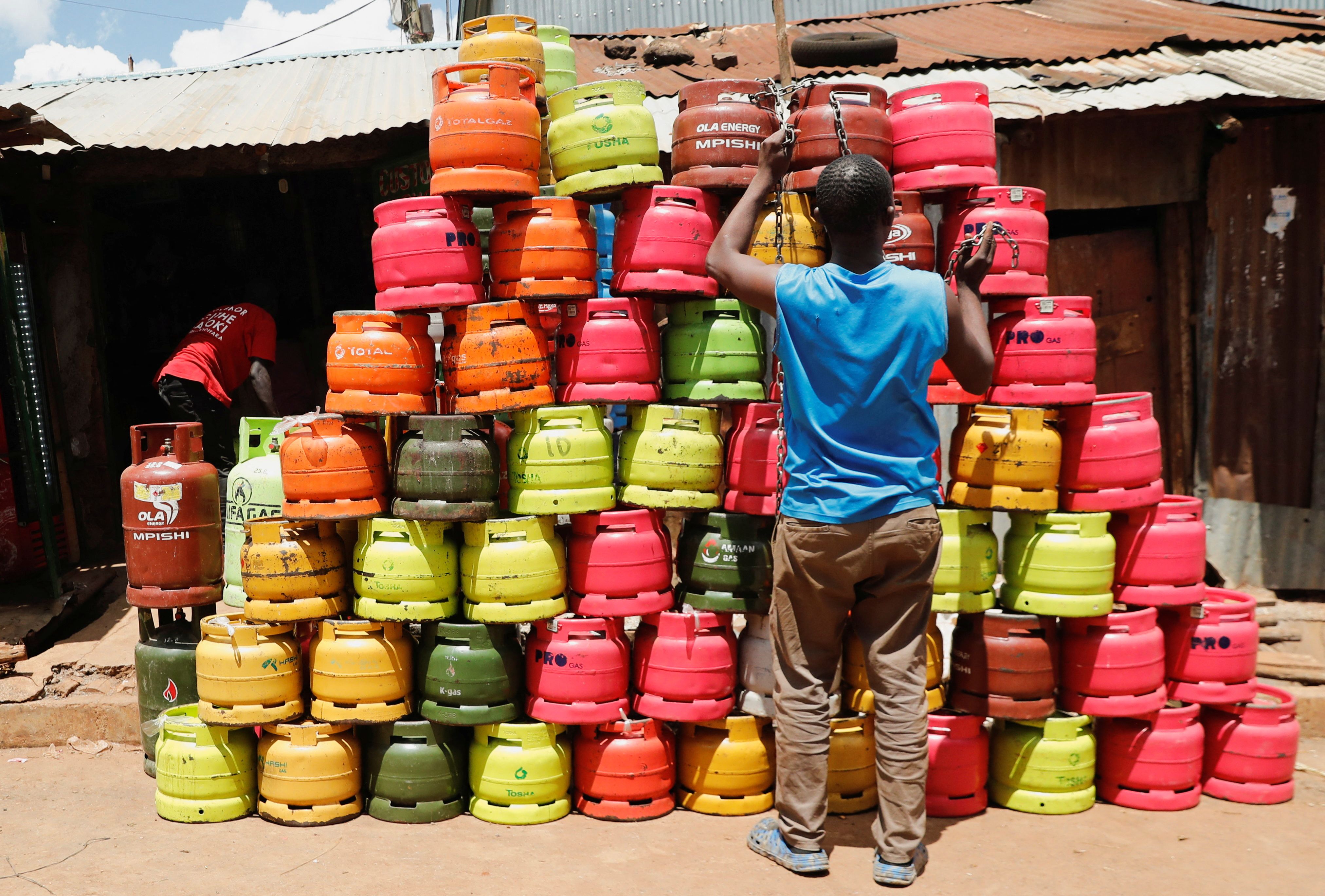
The Trump administration is shifting how it approaches foreign assistance by promoting US propane exports to Africa. Energy Secretary Chris Wright addressed an International Energy Agency summit focused on replacing harmful indoor cooking fuels like charcoal with cleaner alternatives, particularly propane and other liquefied petroleum gases. The summit generated $900 million(約1400億円) in new government commitments for clean cooking initiatives, and the administration plans to announce further commercial commitments from US companies.
Summaries like this, in your inbox every morning.
Sign up free →What happened
US Energy Secretary Chris Wright spoke at an International Energy Agency summit focused on replacing African households' reliance on charcoal and indoor cooking fuels with cleaner alternatives, particularly propane. The summit attracted $900 million(約1400億円) in new government commitments in support of clean cooking.
Why it matters
The Trump administration is reframing foreign assistance around energy exports and commercial markets rather than traditional aid. By promoting US propane sales as a solution to indoor air pollution in Africa, the administration can advance both health goals and domestic economic interests—positioning liquefied petroleum gases as commercial opportunities rather than humanitarian aid.
What to watch
The DOE has indicated that details of "commercial commitments, including from US companies" will be announced publicly soon, though a DOE spokesperson declined to specify how much of the $900 million(約1400億円) in summit commitments came from the US.
The Trump administration is reshaping its approach to foreign assistance by prioritizing energy exports over traditional development aid, with US Energy Secretary Chris Wright making a digital appearance at an International Energy Agency summit last week to promote the expansion of propane use across Africa. The summit was focused on replacing African households' reliance on charcoal and other indoor cooking fuels—which pose significant health and environmental risks—with cleaner alternatives, particularly propane and other petroleum-derived gases.
Wright told attendees, which included Kenyan president William Ruto and African Union energy commissioner Lerato Mataboge: "Access to clean cooking is one of the most impactful, yet overlooked, challenges of our time. By expanding access to affordable and reliable propane gas, we can transform human lives across the globe." The summit generated $900 million(約1400億円) in new government commitments in support of clean cooking, according to the IEA, though a DOE spokesperson declined to specify how much of that sum came from the US.
A DOE spokesperson framed the administration's position explicitly: "Secretary Wright's support for LPG reflects the Trump administration's broader approach to energy-related foreign assistance, which is centered on trade, not aid. This approach views LPG and clean cooking as commercial markets to be developed, rather than humanitarian needs. With global demand for LPG projected to continue growing, helping meet that demand advances both expanded energy access abroad and US economic interests." The administration has indicated that further details of "commercial commitments, including from US companies," would be made public soon.
The Trump administration is recasting foreign assistance around commercial energy exports rather than traditional development aid. Energy Secretary Chris Wright's appearance at the International Energy Agency summit signaled this shift: instead of framing propane access as humanitarian relief for indoor air pollution (a genuine public health issue), the administration presents it as a market opportunity for US companies. A DOE spokesperson explicitly stated that the approach "views LPG and clean cooking as commercial markets to be developed, rather than humanitarian needs," and noted that "global demand for LPG projected to continue growing" creates both expanded energy access and US economic interests.
This reorientation reflects broader Trump administration policy to wind down traditional foreign aid in favor of export-driven engagement. By promoting propane as a cleaner cooking fuel for African households—replacing charcoal and other indoor fuels that harm health—the US can address a genuine development need while simultaneously creating demand for its own energy products. The summit's $900 million(約1400億円) in government commitments for clean cooking demonstrates that the concept has traction, though the administration has not yet disclosed the US contribution or the specific commercial commitments it plans to announce.
AI-summarized, only the topics you pick — one digest a day via Email, Slack, or Discord.
Free · takes 30 seconds · unsubscribe anytime
No discussion yet for this article
Get curated AI news from 200+ sources delivered daily to your inbox. Free to use.
Get Started FreeFree · takes 30 seconds · unsubscribe anytime
1 minute a day. The AI essentials.
200+ sources · Email / LINE / Slack
