The Valkyrie Bitcoin Miners ETF (WGMI) has surged 97% over the past year while bitcoin itself fell 46%, because the major miners it holds have stopped being primarily bitcoin miners and are instead leasing data-center capacity to AI companies and chipmakers under long-term multibillion-dollar contracts.
Core Scientific, IREN, and Riot Platforms have each signed deals worth billions, making them infrastructure providers for AI compute rather than cryptocurrency producers.
The fund's future now depends on AI spending growth, not bitcoin prices.
What happened
The Valkyrie Bitcoin Miners ETF (WGMI) has gained 97% over the past year even as bitcoin itself lost 46% of its value in the same window. The divergence stems from major miners—Riot Platforms, Core Scientific, and IREN—signing massive multibillion-dollar AI infrastructure leases with chipmakers and labs instead of relying on mining operations.
Why it matters
These miners have shifted from being bitcoin-focused to becoming landlords for AI compute infrastructure. Core Scientific signed a 15-year AMD lease worth more than $14 billion in base contracted revenue; IREN locked in a five-year $3.4 billion NVIDIA contract plus a $2.1 billion NVIDIA investment; Riot committed to a 20-year, 191-megawatt lease with a frontier AI lab. For investors, WGMI no longer behaves as a leveraged bitcoin proxy—it is now a bet on AI hyperscaler spending rather than cryptocurrency prices.
What to watch
Monitor quarterly hyperscaler capex announcements from NVIDIA, AMD, and Microsoft, and track ERCOT's Texas grid interconnection updates (Core Scientific was expecting a Pecos load-study result August 7, 2026). Watch WGMI's monthly holdings disclosures to see whether the manager maintains its weight in AI-pivoted names (RIOT, CORZ, IREN) or rotates into pure-play miners; a shift away from the AI infrastructure picks would snap the decoupling back to bitcoin's price moves.
Ask the AI about this article →
The Valkyrie Bitcoin Miners ETF represents a fundamental shift in what bitcoin miners have become. A year ago, WGMI would have been tightly correlated with bitcoin price; today it is essentially an AI infrastructure fund. The three largest holdings—Core Scientific, IREN, and Riot—have each signed multibillion-dollar, multiyear leases to provide compute power and data-center capacity to chipmakers and frontier AI labs. Core Scientific's 15-year AMD lease alone carries more than $14 billion in base contracted revenue, while IREN's five-year NVIDIA contract worth $3.4 billion plus a $2.1 billion deployment-linked investment fundamentally rewrite the company's cash flow profile away from mining margins into infrastructure revenue streams.
The economic logic is stark: Riot Platforms' cost to mine one bitcoin reached 70% of production value last quarter, up from 50% a year earlier, meaning mining alone would be unprofitable or unsustainable for the company without the AI revenue. The shift makes sense for the miners—they already own and operate large-scale power infrastructure and data centers—but it also means WGMI is no longer a leveraged bitcoin bet. Instead, it is a concentrated play on whether AMD, NVIDIA, Microsoft, and frontier AI labs will continue writing multibillion-dollar annual checks for power and compute. Any slowdown in hyperscaler capex guidance hits these stocks first and directly.
For example, today's edition would include:
AI-summarized, only the topics you pick — one digest a day via Email, Slack, or Discord.
Free · takes 30 seconds · unsubscribe anytimeWhat is AIToday? →
Ask AI anything about this article. Q&As are published on this page for other readers too.
Visko raised $10 million in pre-seed funding from Llama Ventures and opened public access to its first foundat…

U.S. markets ended August higher, with the S&P 500 up 2.6% and the Nasdaq up 3.9%

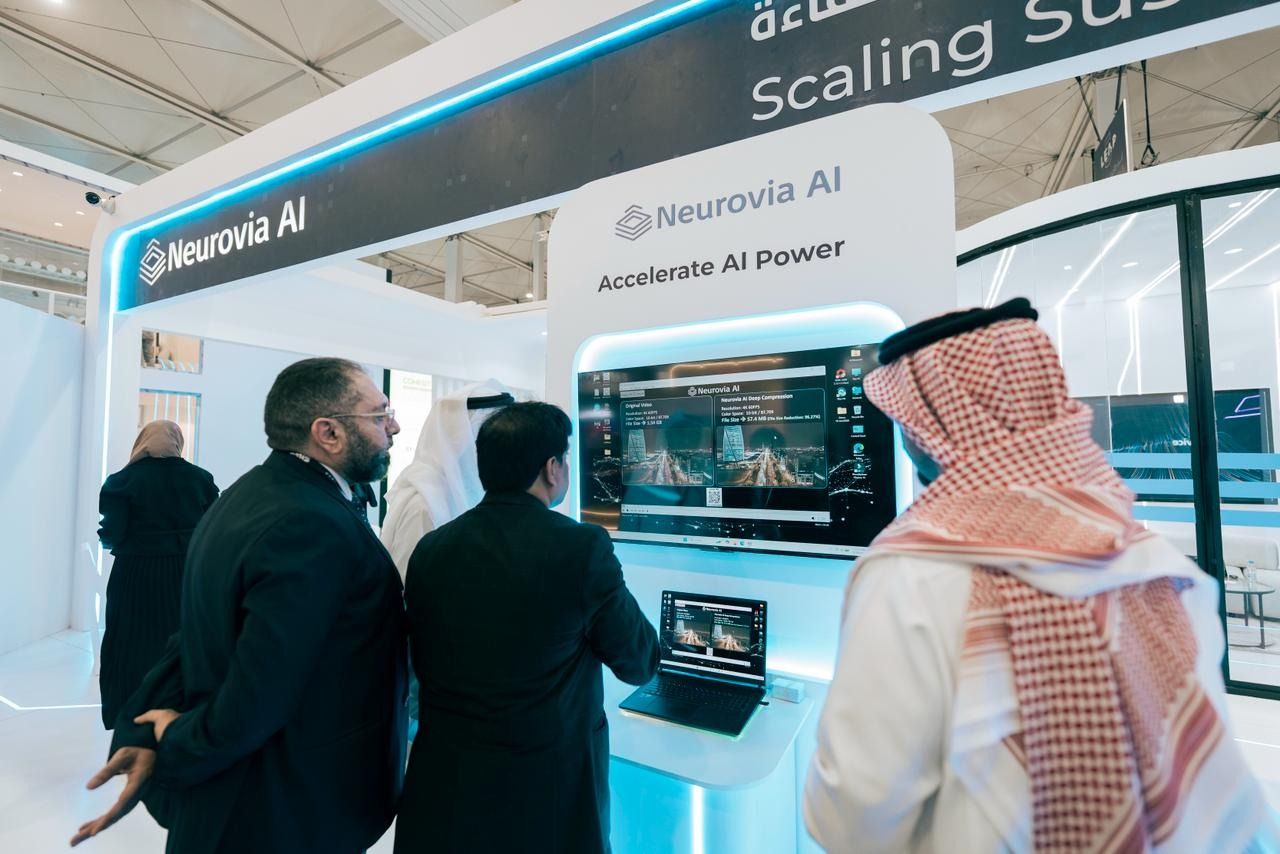
Neurovia AI, an Abu Dhabi-based company, is pitching Saudi security agencies software that it says can compres…
AI company Runway has unveiled Solaris, the first model in a new category it calls "Interface World Models." I…

John Deere introduced JD, a conversational AI tool that lets farmers ask open-ended questions about their hist…

Nvidia CEO Jensen Huang said on Fox Business that AI is creating 'hundreds of thousands' of jobs, including in…