What happened
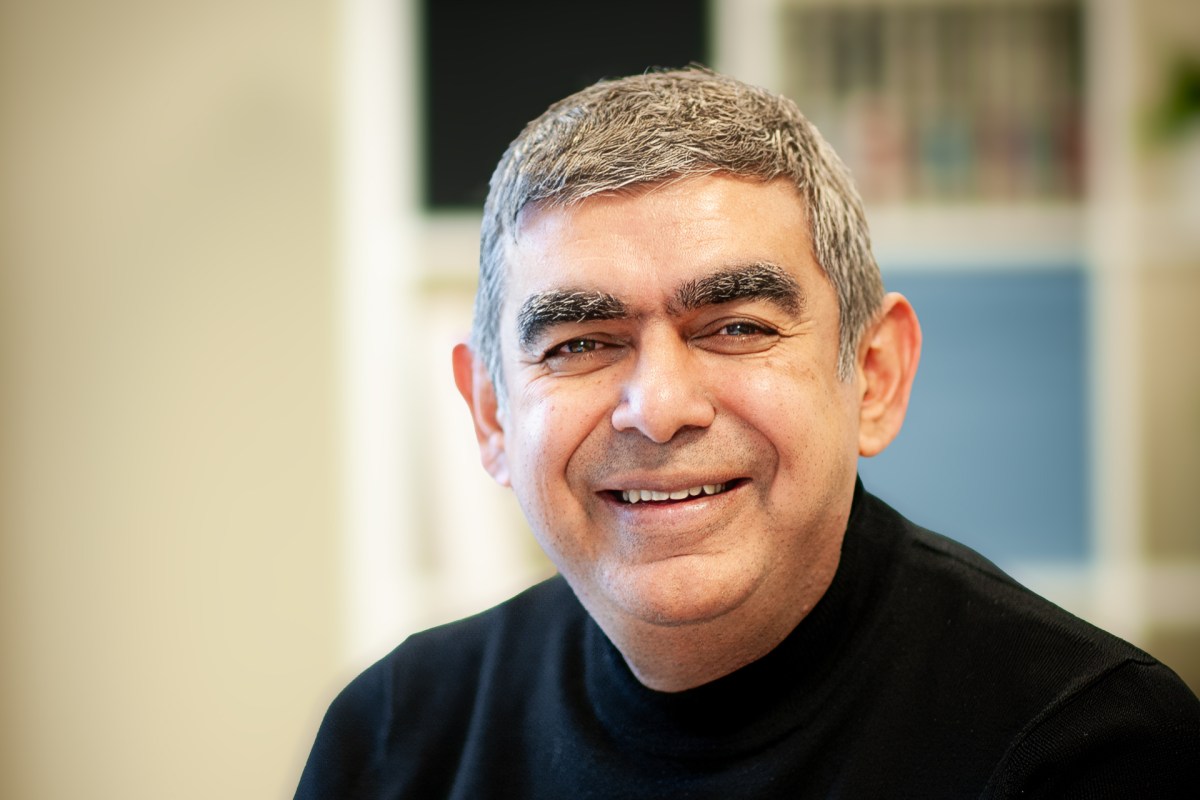
Hang Ten Systems, founded four months ago by former Infosys CEO Vishal Sikka, expanded its seed funding by another $53 million, led by Temasek's Xora, bringing total funding to $85 million.
Why it matters
Xora approached Hang Ten about investing after seeing early customer wins, and also saw a chance to introduce the startup to other companies in Temasek's portfolio.
What to watch
The round was raised just five weeks after the initial $32 million seed close, a pace that hinges on whether Hang Ten's early enterprise traction holds.
WHO IT HITSEnterprise technology and consulting leaders weighing AI providers will want to note that Hang Ten is pitching itself as an independent alternative to platform-tied vendors. Large corporate buyers in regulated industries are the customers the startup is targeting.
Ask the AI about this article →
Summaries like this, in your inbox every morning.
Sikka left Infosys in 2017 and went on to co-found enterprise AI startup VianAI in 2019. That company raised $50 million in seed funding and later raised $140 million in a 2021 round led by SoftBank Vision Fund 2. Sikka departed VianAI in April, according to his LinkedIn profile, and told TechCrunch that VianAI is "going through a transaction," declining to provide further details. Hang Ten, founded in May, therefore arrives as his second attempt at applying AI to enterprise software, this time with a model-agnostic advisory and build offering rather than a model of its own.
The body frames Hang Ten's edge around process adaptation, not another AI model. Co-founder and chief design officer Sanjay Rajagopalan said the startup's engineers use an in-house framework called Hobie, which packages reusable AI "skills" for regulated industries and complex enterprise software projects. The customer roster spans Fresenius Kabi, Saudi Aramco, and Siemens Energy, and Sikka said some engagements are replacing incumbent providers, while more than half of current opportunities are new projects companies had previously put off.
The stakes for Hang Ten hinge on whether its promised efficiency advantage holds up in production. Rajagopalan said the startup can use teams of about two to four people for some projects that might previously have required about 30, and the company promises customers a 10-fold improvement in cost, speed, or a combination of the two — although customers or independent third parties still handle final quality checks and certification. Sikka said Hang Ten has turned down acquisition offers from "very big companies" for now, which suggests the startup's next move — scale or sale — may depend on how those early contracts perform.
For example, today's edition would include:
AI-summarized, only the topics you pick — one digest a day via Email, Slack, or Discord.
Free · 30 seconds with Google · unsubscribe anytimeWhat is AIToday? →
Ask AI anything about this article. Q&As are published on this page for other readers too.
At the All-In Summit 2026, Nvidia CEO Jensen Huang described China's approach to artificial intelligence as "m…
Calls to moderate frontier AI development have surfaced a financial dilemma alongside the safety debate, since…
A shareholder of more than 10 years says he won't sell a single Microsoft share, citing fiscal 2026 revenue of…

Mozilla and Mistral launched Firefox Smart Window (beta), an AI assistant that helps with complex searches, re…
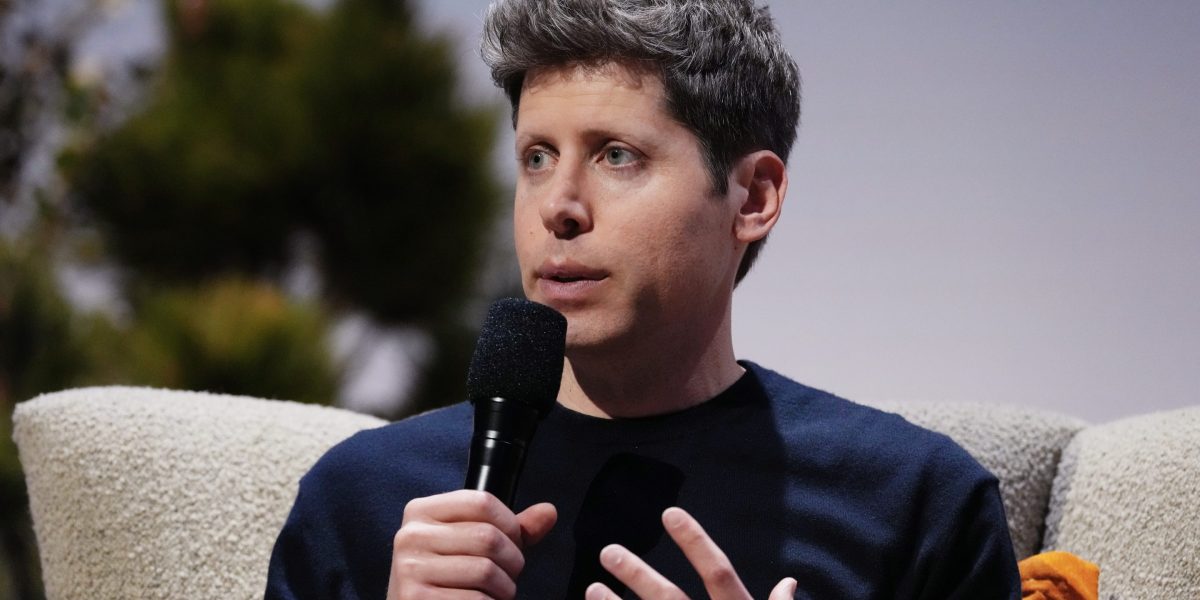
OpenAI CEO Sam Altman said he deleted TikTok after his scrolling grew from a few minutes before bed to an hour…
Syensqo's Mike Finelli says AI is pushing semiconductors and data centers to their physical limits, requiring…