Advanced Micro Devices has secured multi-year deployment commitments from hyperscalers Meta and OpenAI for its Helios infrastructure, while expanding its partnership with Microsoft to scale AI inference workloads on Azure. AMD, ranked #3 by Zacks, benefits as a critical secondary supplier to NVIDIA in the AI accelerator market, with analyst estimates projecting mid double-digit growth through 2027 and a track record of beating earnings expectations for 29 consecutive quarters.
Summaries like this, in your inbox every morning.
Sign up free →What happened
Advanced Micro Devices, a fabless semiconductor designer (Zacks Rank #3), has secured multi-year large-scale deployment commitments from major hyperscalers including Meta Platforms and OpenAI for its Helios infrastructure systems. On Monday, AMD and Microsoft announced an expanded strategic partnership spanning AMD GPUs, CPUs, and software on Azure, with Microsoft ramping AMD Helios at scale on Azure to power frontier model inference.
Why it matters
AMD serves as a critical secondary supplier in the AI accelerator market behind NVIDIA, capturing spillover demand as NVIDIA GPUs face frequent stock-outs. The long-term hyperscaler deals provide AMD with revenue visibility, and Zacks Consensus Analyst Estimates project AMD will grow its top-and-bottom-line financial results at a healthy mid double-digit clip through 2027. The data center and AI markets are experiencing blistering growth unlikely to slow soon.
What to watch
AMD has beaten Zacks Consensus Analyst EPS Estimates for 29 consecutive quarters, demonstrating consistent upside execution. The company's three major product segments—CPUs (Ryzen chips), GPUs (visual data processing hardware), and Data Center Chips (powering cloud computing and AI models)—position it to benefit from the structural tailwind in AI infrastructure demand.
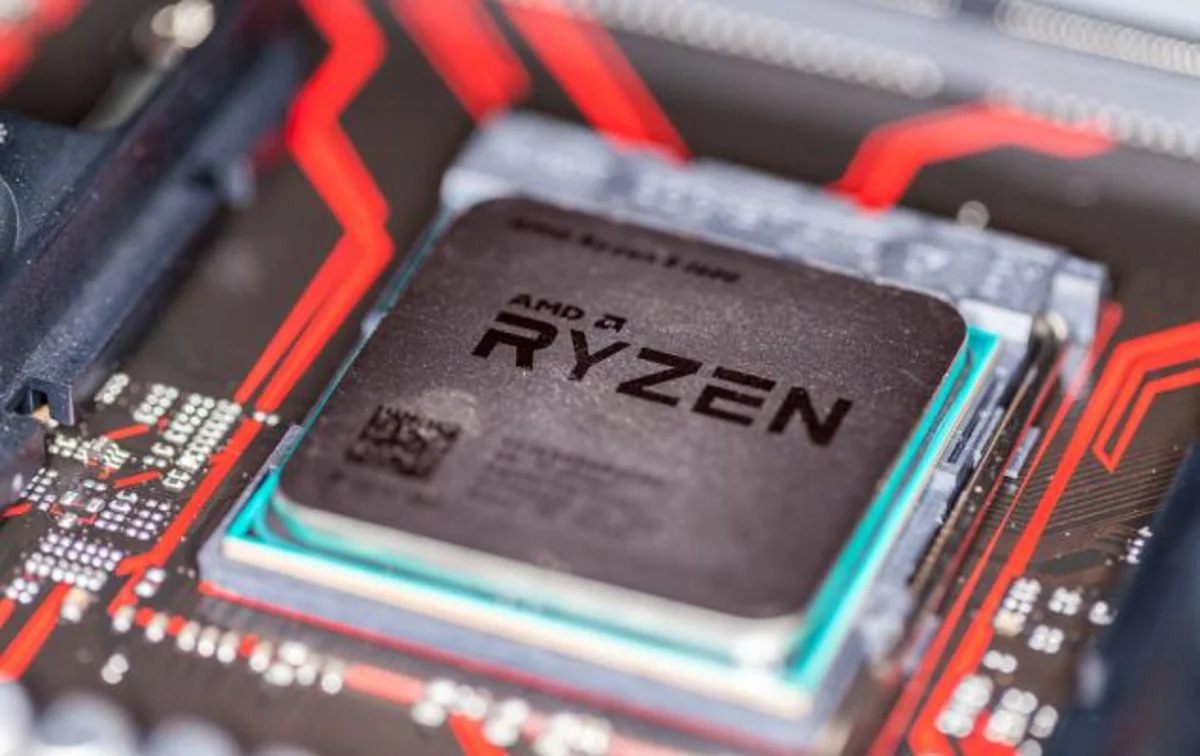
Advanced Micro Devices, a fabless semiconductor designer ranked #3 by Zacks Investment Ideas, has moved to strengthen its position in the AI infrastructure market through two major announcements. The company designs semiconductor blueprints—outsourcing actual manufacturing to partners like Taiwan Semiconductor—and operates across three main product lines: CPUs such as its Ryzen chips for consumer computers, GPUs designed to handle complex mathematical visual data processing, and Data Center Chips that power cloud computing networks and AI models.
AMD's appeal lies partly in its role as a secondary source for AI accelerators. While NVIDIA holds the dominant share of the AI accelerator market, the article notes that NVIDIA's GPUs are "often sold out," allowing AMD to capture spillover demand from hyperscalers unable to source NVIDIA products. The underlying market dynamics favor AMD: the AI and data center markets are experiencing what the article describes as "blistering growth that is unlikely to slow any time soon."
On the commitment front, AMD has secured multi-year, large-scale deployment deals from major hyperscalers Meta Platforms and OpenAI for its Helios infrastructure systems. These long-term agreements provide revenue visibility. Separately, on Monday, AMD and Microsoft announced an expanded strategic partnership spanning AMD GPUs, CPUs, and software on Azure. According to the press release cited in the article, "Microsoft will ramp AMD Helios at scale on Azure to power frontier model inference," and the companies will integrate AMD silicon with Azure to "scale networking performance across the fleet." Zacks Consensus Analyst Estimates project AMD will grow both top-line (revenue) and bottom-line (profit) results at a healthy mid double-digit rate through 2027. The company has demonstrated consistent execution, beating Zacks Consensus Analyst EPS Estimates for 29 consecutive quarters.
AMD's position in the AI semiconductor market reflects a structural shift in how hyperscalers source computing capacity. While NVIDIA dominates the AI accelerator market, supply constraints—described in the article as frequent stock-outs—have created an opening for AMD to capture spillover demand. The company's multi-year commitments from Meta and OpenAI provide not just revenue but also predictability, a valuable asset in volatile semiconductor cycles. The Monday partnership announcement with Microsoft signals that AMD's infrastructure approach is gaining enterprise traction at scale: Microsoft's decision to ramp Helios on Azure for frontier model inference suggests confidence in AMD's ability to handle the most demanding inference workloads. Combined with analyst projections of mid double-digit growth through 2027 and AMD's 29-quarter streak of beating earnings estimates, the company appears to be executing consistently against raised expectations in a market experiencing what the article terms "blistering growth."
AI-summarized, only the topics you pick — one digest a day via Email, Slack, or Discord.
Free · takes 30 seconds · unsubscribe anytime
No discussion yet for this article
Get curated AI news from 200+ sources delivered daily to your inbox. Free to use.
Get Started FreeFree · takes 30 seconds · unsubscribe anytime
1 minute a day. The AI essentials.
200+ sources · Email / LINE / Slack
