What happened
Japan's Justice Ministry submitted a draft report to an expert committee on Monday proposing legal protections for the voices and images of famous individuals against unauthorized generative AI use. The ministry plans to release a final report as early as August.
Why it matters
Japanese courts have issued no rulings on voice rights, leaving the law unclear as generative AI grows. The draft aims to provide legal reference for future lawsuits and guide AI developers, while distinguishing between illegal deepfakes and legitimate artistic impersonation.
What to watch
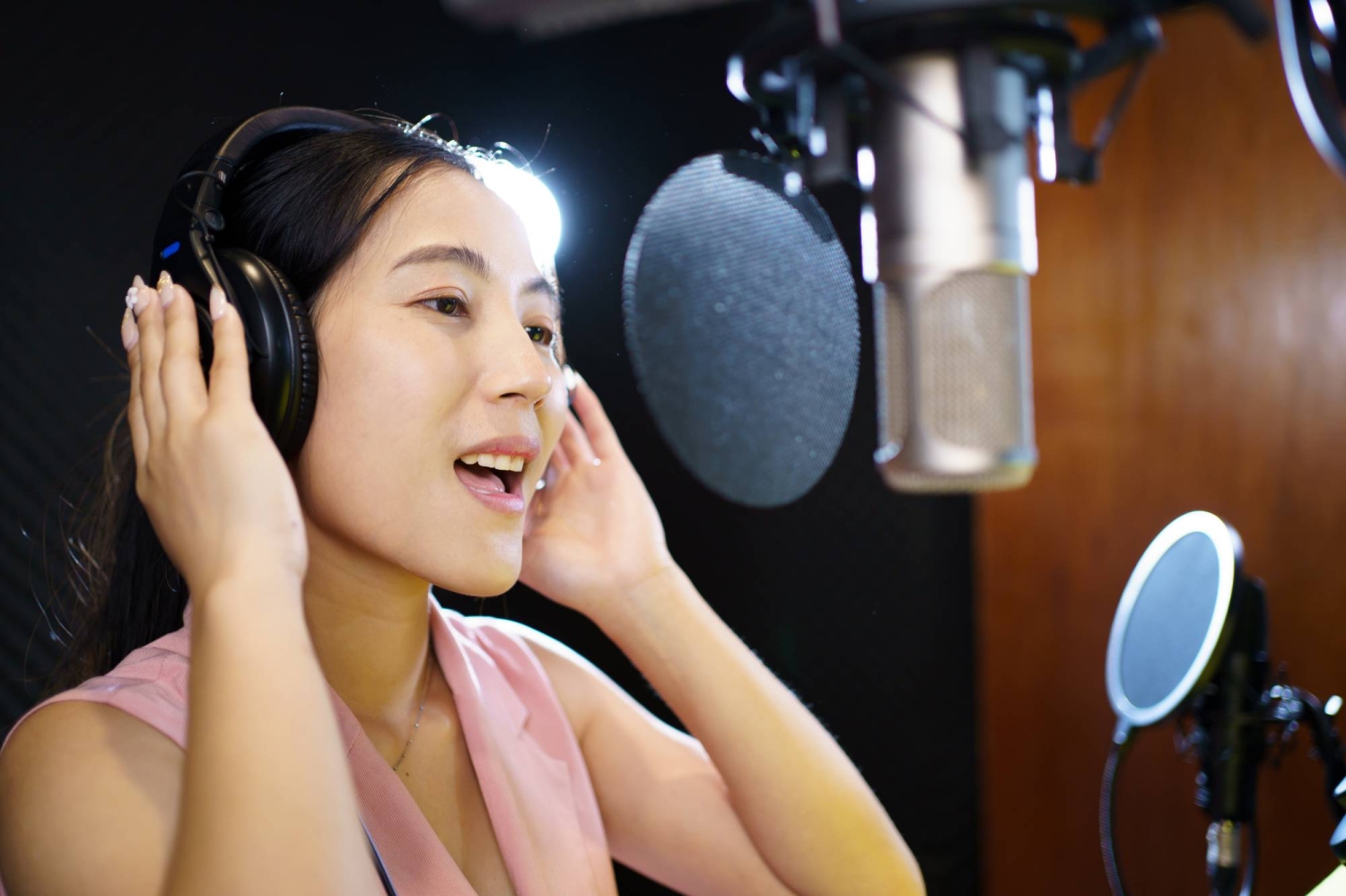
The draft addresses specific harms—such as AI-generated fake voice recordings posted for profit—and proposes criteria for determining if an AI-created voice is similar enough to a real person's to violate their "right of publicity." Voice actors from anime and singers affected by unauthorized "AI covers" have called for protections.
Summaries like this, in your inbox every morning.
Japan has no established court precedent on voice rights, leaving creators and AI developers in legal uncertainty as generative AI tools become capable of convincingly replicating human voices. The Justice Ministry's draft addresses this vacuum by proposing a framework that treats unauthorized voice and image use as a potential civil violation, grounded in the concept of "right of publicity"—which allows celebrities to control the commercial value of their likenesses. The draft explicitly acknowledges an existing problem: "AI covers," where people train AI on professional singers' and voice actors' voices to generate new performances, and anime voice actors' public calls for protection. By proposing criteria for determining harmful similarity and codifying the distinction between commercial deepfakes and artistic parody, the ministry aims to create a standard that courts and developers can reference. The timeline—feedback through August—suggests the issue is urgent enough to accelerate the usual rulemaking process.
Pick your industry and the AI tools you use, and get news related to your work every day.
Free · 30 seconds with Google · unsubscribe anytimeWhat is AIToday? →
Ask AI anything about this article. The AI reads this article, earlier AIToday articles, and Wikipedia, and cites its sources. Q&As are published on this page for other readers too.

