
What happened
Aehr Test Systems reported FY2026 revenue of $50.0 million, down 15.2% from the prior year, and a net loss of $7.1 million. KLA posted FY2026 revenue of $13.6 billion, up 11.7%, with $4.8 billion in net income.
Why it matters
The two AI-linked chip-equipment suppliers moved in opposite directions: Aehr's smaller, specialized business shrank and lost money, while KLA's larger, diversified operation grew profitably.
What to watch
Whether Aehr's bet on silicon carbide and high-bandwidth memory can turn its negative $5.4 million free cash flow around, while KLA's Taiwan Semiconductor Manufacturing Company relationship, more than 10% of its revenue, remains a concentration risk.
WHO IT HITSInvestors weighing AI chip-equipment stocks may see a sharper contrast between a small, concentrated supplier and a diversified, profitable one. Aehr's zero debt and 10.3x current ratio suggest it has a balance-sheet cushion while it works through its losses.
Summaries like this, in your inbox every morning.
Aehr Test Systems and KLA both sell equipment into the semiconductor supply chain, but the article frames them at opposite ends of scale and risk. Aehr's focus is narrow: stress-testing equipment for power semiconductors, particularly silicon carbide used in electric vehicles, and high-bandwidth memory for AI infrastructure. KLA's process-control tools, by contrast, are used across the entire chip-making industry, and alongside equipment sales it runs a services business that accounts for roughly 23% of total revenue.
The fiscal 2026 numbers reflect that difference. Aehr's revenue fell 15.2% to $50.0 million, producing a net loss of $7.1 million and a negative $5.4 million in free cash flow. Its five largest customers made up nearly 70% of net sales, a level of concentration the article says adds risk. KLA grew revenue 11.7% to $13.6 billion and earned $4.8 billion, a 35.6% net margin, though it also carries a concentration risk, with Taiwan Semiconductor Manufacturing Company generating more than 10% of total revenues. Aehr's balance sheet shows no debt relative to equity and a 10.3x current ratio, which may give it room to absorb the downturn.
The stakes appear to hinge on time horizon. Aehr's growth story depends on whether silicon carbide and high-bandwidth memory demand eventually rewards its specialized tools, while its current losses and cash burn raise the question of how long that wait can last. KLA's steadier, more diversified business looks less exposed to a single end market, but its size may mean slower relative growth. The trade-off for investors is between a concentrated, high-beta equipment maker with a cash cushion and a profitable industry titan with a smaller concentration risk of its own.
For example, today's edition would include:
AI-summarized, only the topics you pick — one digest a day via Email, Slack, or Discord.
Free · 30 seconds with Google · unsubscribe anytimeWhat is AIToday? →
Ask AI anything about this article. Q&As are published on this page for other readers too.
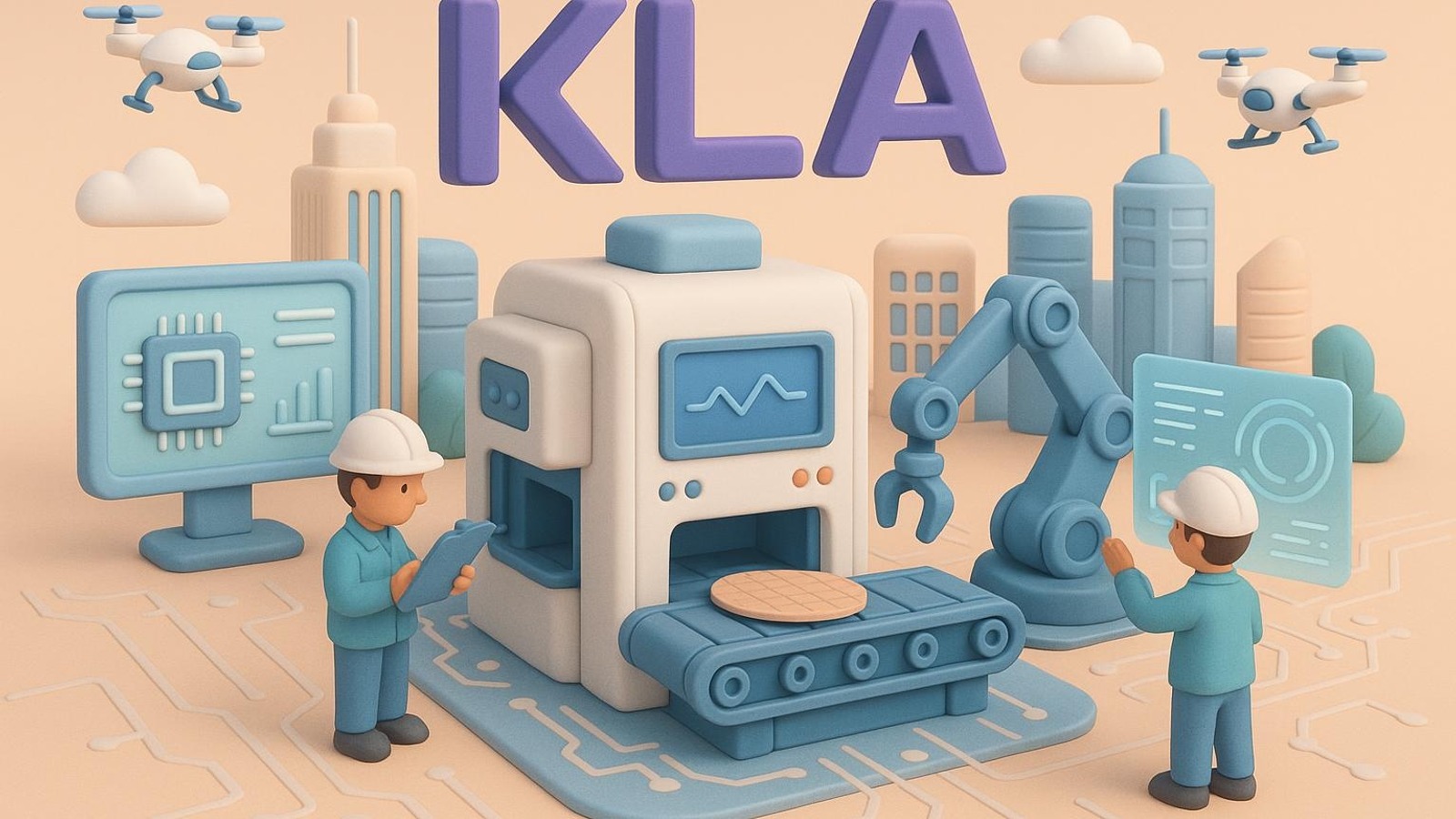
Simply Wall St's most-followed KLA narrative sets fair value at $232.43 versus a $176.99 close, with the stock…
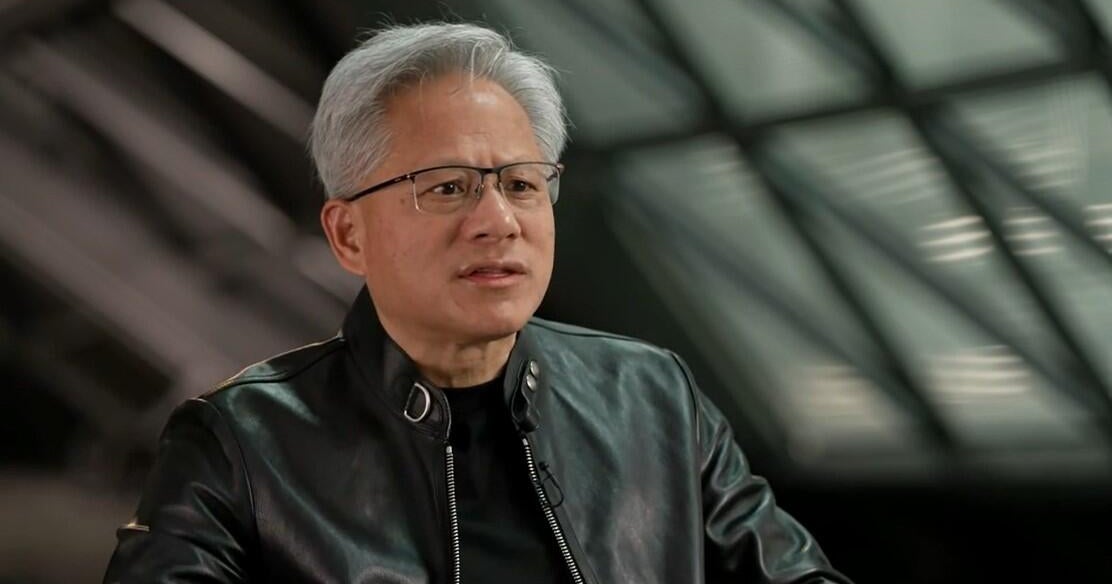
Nvidia founder and CEO Jensen Huang told CBS News that AI development should move 'as fast as we can irrespect…
Visa joined Mastercard and Ant International to design a shared Know Your Agent framework, aimed at standardis…

Broadcom projected roughly $58 billion in AI semiconductor revenue for fiscal 2026, about $115 billion in fisc…

Berkshire Hathaway's latest 13F filing, covering holdings as of June 30, shows it bought more than 48 million…

Gartner forecasts worldwide AI spending will grow 49.5% in 2026


