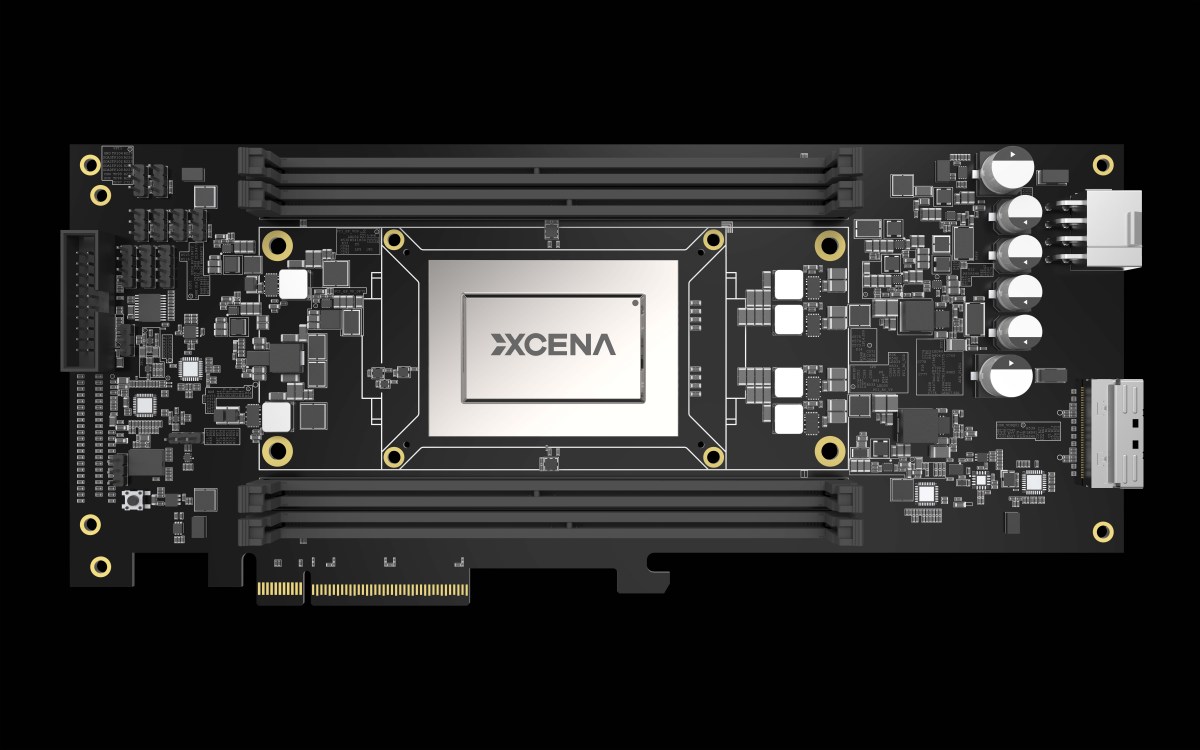
XCENA raised $135 million in Series B at a valuation of $570 million, bringing total funding to $185 million. Seoul-based VCs Altinum and IMM Investment co-led the round alongside Corstone Asia and existing investors SBI Investment and Mirae Asset Capital.
The startup's MX1 chip places compute capabilities directly within DRAM (fast, short-term memory used by processors) via CXL (Compute Express Link), allowing data operations to be handled near memory without costly round trips between CPUs, GPUs, and memory. The company claims what previously required 10 servers could run on just one.
The MX1 is still a prototype. Mass production chips are scheduled to roll off Samsung's foundry lines by the end of 2026, with revenue expected to start in 2027. XCENA is in early-stage conversations with global memory vendors and targets hyperscalers spending tens of billions annually on AI infrastructure.
Summaries like this, every morning.
Pick your industry and the AI tools you use, and get news related to your work every day.
Free · 30 seconds with Google · unsubscribe anytimeWhat is AIToday? →
Ask AI anything about this article. The AI reads this article, earlier AIToday articles, and Wikipedia, and cites its sources. Q&As are published on this page for other readers too.

