What happened
Midjourney is asking a federal judge to compel Disney, Universal, and Warner Bros. Discovery to reveal their internal use of artificial intelligence. The request is part of a copyright lawsuit that began in June 2025, when Disney and Universal sued Midjourney for enabling large-scale infringement of copyrighted characters like Darth Vader and Elsa. Warner Bros. joined in September 2025, seeking $150,000 per infringed work.
Why it matters
Midjourney is arguing a "fair use" defense by claiming the studios engage in comparable AI practices internally. If the company can show the studios are using unlicensed AI training methods themselves, it may undercut their accusations of "brazen theft" and support Midjourney's "unclean hands" argument. This defense strategy could reshape how courts view AI copyright claims across the industry.
What to watch
A magistrate judge ruled against Midjourney's broader discovery request in mid-June 2026, limiting the studios' disclosure to consumer-facing AI tools rather than internal systems. Midjourney has asked Judge John Kronstadt to overturn that ruling. The studios' attorney has dismissed the effort as a "fishing expedition" meant to deflect from Midjourney's conduct.
Summaries like this, in your inbox every morning.
The copyright dispute between Midjourney and Hollywood's major studios has escalated into a discovery battle over what constitutes fair use in AI training. Midjourney's legal team, led by attorney Bobby Ghajar, is betting that if it can demonstrate the studios use comparable AI practices internally—training on unlicensed data, developing proprietary models—the courts may view the copyright claims as hypocritical. This "unclean hands" defense strategy hinges on the argument that the studios themselves are "doing the very thing they seek to punish."
The discovery fight reveals a deeper tension in AI copyright litigation: the question of whether large institutions should be held to the same standards they impose on startups. The magistrate judge's mid-June 2026 ruling limiting disclosure to consumer-facing tools only suggests the courts are skeptical of broad internal-systems discovery at this stage. Midjourney's appeal to Judge John Kronstadt is a long shot, especially given the studios' characterization of the request as a "fishing expedition." However, the case underscores that AI training practices across the entertainment industry may be more uniform—and more legally ambiguous—than the public debate has acknowledged.
Pick your industry and the AI tools you use, and get news related to your work every day.
Free · 30 seconds with Google · unsubscribe anytimeWhat is AIToday? →
Ask AI anything about this article. The AI reads this article, earlier AIToday articles, and Wikipedia, and cites its sources. Q&As are published on this page for other readers too.
TOPPAN Holdings and Keio University ran a quantum-computer and generative-AI proof-of-concept from February 1…
Black Forest Labs released FLUX 3 Image Klein as open weights on October 15, 2026 — a 5.6B-parameter model for…

Krea opened the beta for Krea 3, which does end-to-end 2K edits in under 8 seconds, accepts up to 8 reference…
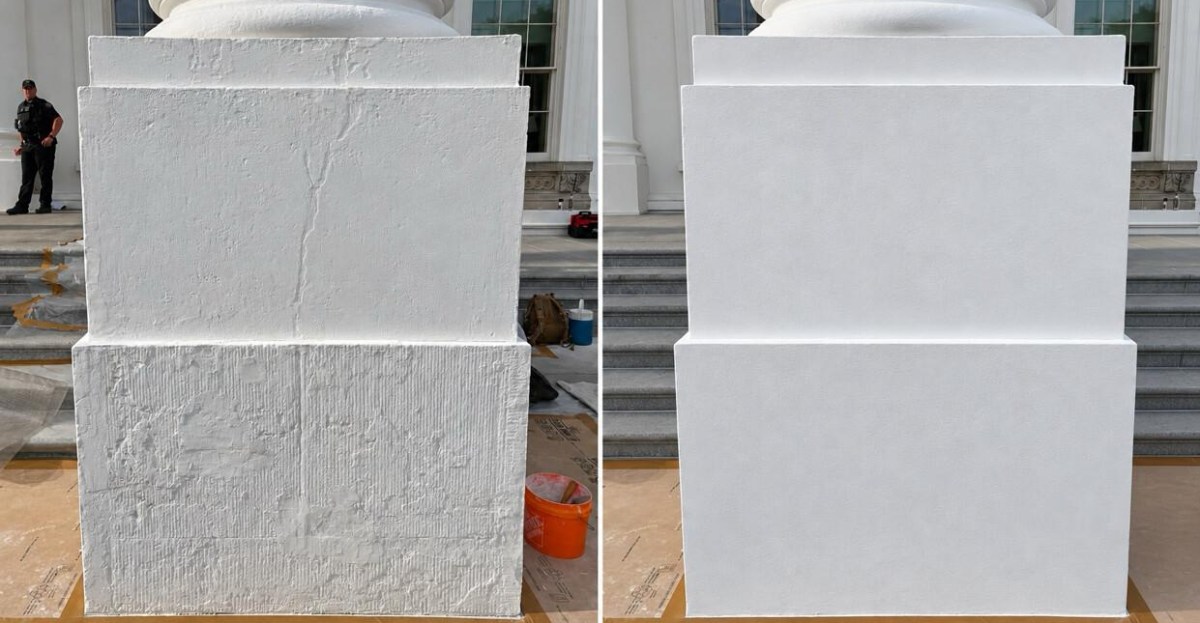
President Donald Trump posted photos on Truth Social showing White House renovations, but one comparing an old…
Wells Fargo hired an AI executive based in San Francisco, a move The Business Journals describes as part of em…

Amazon launched two Bee "personal AI" devices on Thursday: the $74.99 Bee Frontier wristband and the $99.99 Be…