What happened
The UN refugee agency UNHCR warned Tuesday that misinformation, hate speech, and deepfakes are spreading faster with AI's help, causing real-world harm to refugees and humanitarian staff. The agency called on tech companies and AI platforms to partner with humanitarian organizations to combat the problem.
Why it matters
Distorted information can reduce refugee access to jobs and education, undermine integration, and trigger protests and violence. UNHCR noted that online rumors and false accusations have been linked to physical violence, killings, and forced displacement in some cases. Generative AI is making the scale and speed of harm worse by enabling deepfake videos of staff and refugees.
What to watch
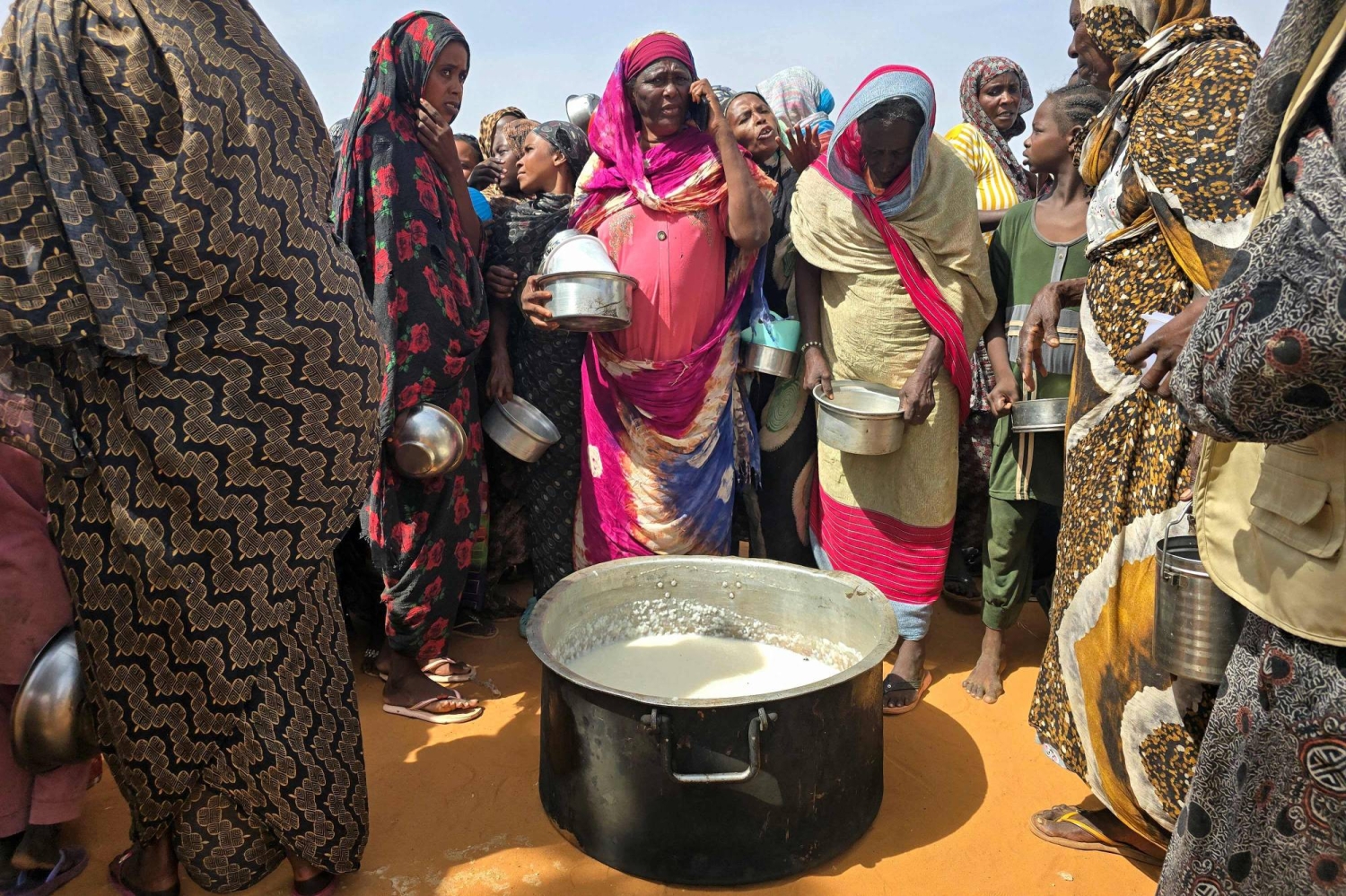
UNHCR highlighted that 117.8 million people were forcibly displaced worldwide at the end of 2025, of whom 35.6 million were refugees under its mandate. The agency says content moderation tools must work in humanitarian contexts and support less-common languages to be effective.
Summaries like this, in your inbox every morning.
The UN's warning reflects a widening recognition that AI tools, while neutral technology, can be weaponized to harm vulnerable populations at unprecedented scale. UNHCR identified a pattern where conflict and displacement often occur alongside what it calls "information crises" — the deliberate or accidental spread of false narratives that dehumanize refugees and create the conditions for violence. Smugglers and traffickers are also exploiting digital platforms to deceive people with false promises of safety and employment, pushing them into dangerous situations.
The problem is not new — misinformation has long fueled xenophobia and violence — but generative AI has made it worse in two ways. First, deepfakes and automated content generation allow false narratives to spread faster and at greater scale than manual creation would permit. Second, content moderation tools designed for major languages often fail in the smaller-language contexts where many refugee crises unfold, leaving vulnerable populations exposed. UNHCR's emphasis on "less-common languages" underscores that even well-intentioned platform safeguards can inadvertently create gaps where harm flourishes. The agency's call for tech companies to "partner" and "collaborate" signals that humanitarian organizations alone cannot solve the problem — the tools and platforms that amplify speech must be redesigned to serve humanitarian protection, not just commercial interests.
Pick your industry and the AI tools you use, and get news related to your work every day.
Free · 30 seconds with Google · unsubscribe anytimeWhat is AIToday? →
Ask AI anything about this article. The AI reads this article, earlier AIToday articles, and Wikipedia, and cites its sources. Q&As are published on this page for other readers too.

